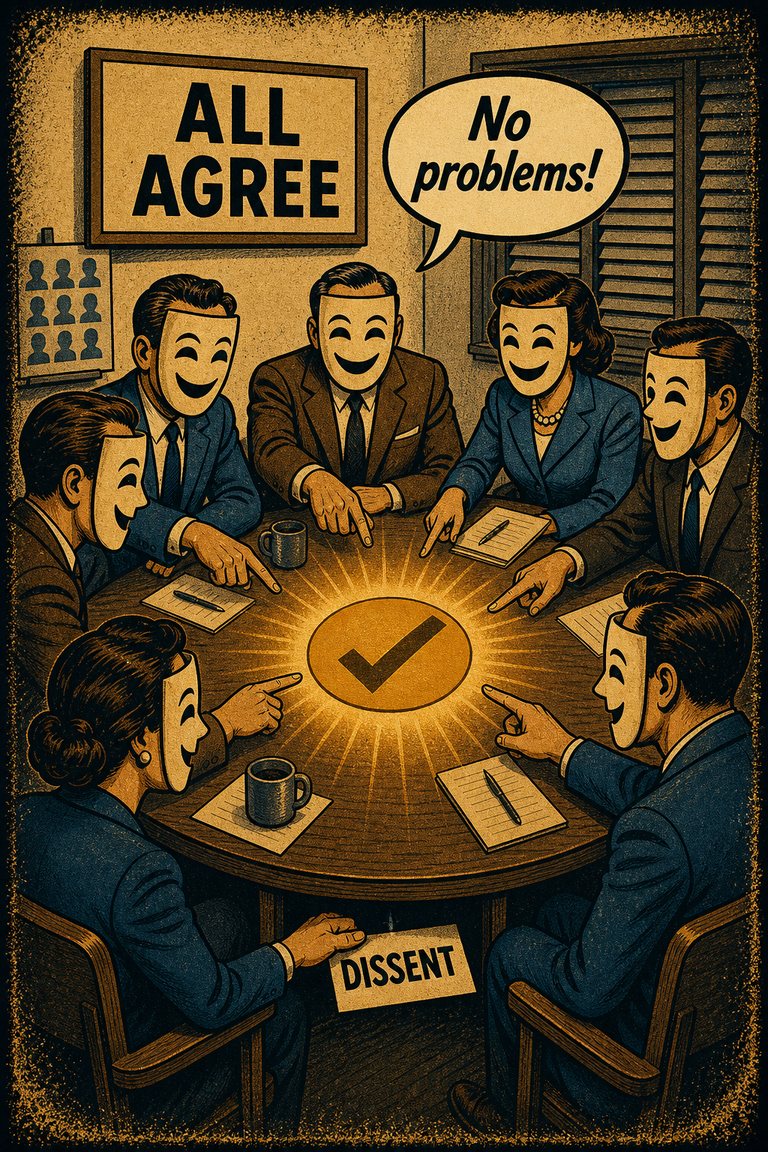
Groupthink
The tendency for groups to protect harmony or momentum at the cost of critical evaluation and dissent.
Hypothesis AssessmentAssociationTeams & managementPolitics & institutions

Cognitive Biases
A practical cognitive-bias site with clear definitions, learning paths, assessments, self-audits, and debiasing tools.
Theory Article
A practical essay on why awareness is helpful but rarely sufficient, and why durable repair usually arrives through workflow, not willpower alone.
People like to imagine that naming a bias is halfway to solving it. In practice, many distortions feel like ordinary good judgment from the inside. That is why the strongest fixes usually live in process design rather than in motivational speeches about thinking better.
Recognition matters, but it is unstable. Under pressure, people revert to the procedure they actually have, not the vocabulary they wish they had remembered to use.
A person can know what anchoring is and still negotiate inside the first number. A team can know what groupthink is and still close too quickly because dissent remains socially expensive.
At the individual level, structural repair may mean writing the forecast down before the outcome arrives, estimating before exposure, or listing a rival hypothesis before reading further. At the team level, it may mean independent scoring, premortems, or protected objection rounds.
At the system level, the repair may live in defaults, forms, dashboards, review thresholds, or escalation rules. In every case, the common thread is the same: the process is changed so the old drift becomes harder to reproduce.
A good site should not stop at definitions. It should help readers standardize better habits. That is why CogBias keeps adding countermoves, self-audits, and practice labs. The goal is not merely to recognize the bias after it fires. The goal is to fire a different process instead.
That design ambition is what makes the site educational rather than merely classificatory.
Use these entry pages after the article if you want the same theory translated into more concrete diagnostic and repair tools.
The tendency for groups to protect harmony or momentum at the cost of critical evaluation and dissent.
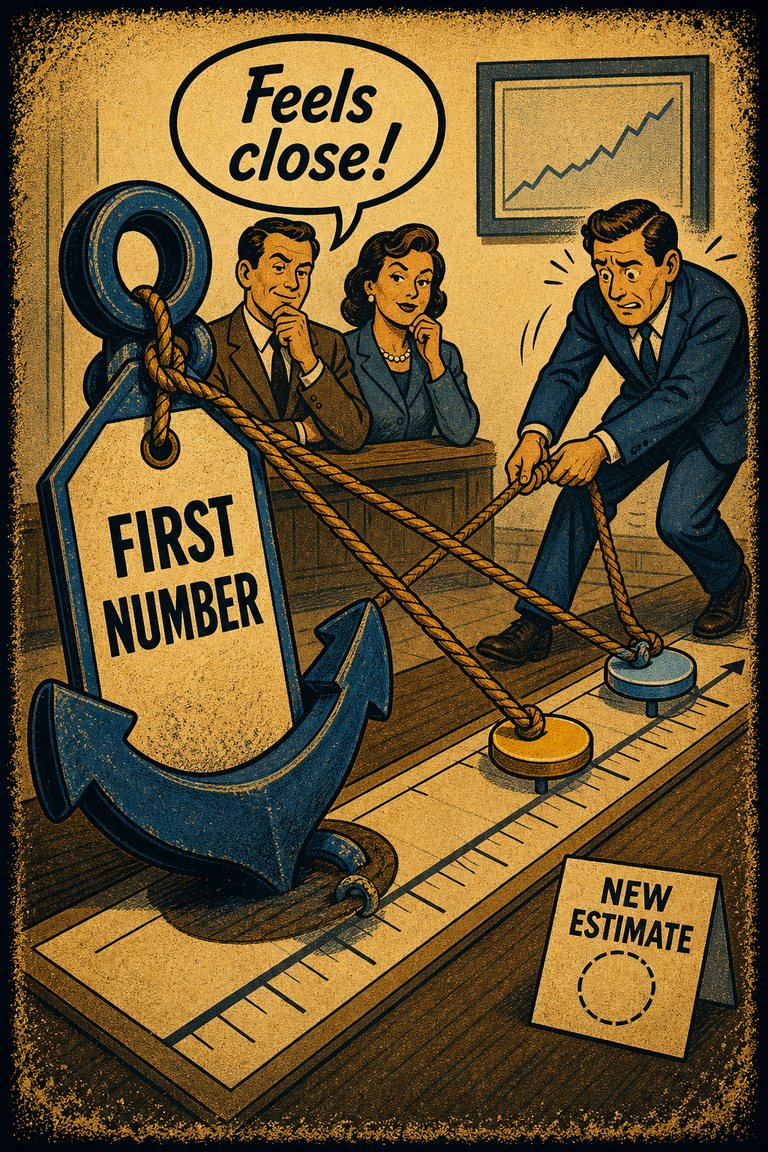
The tendency for the first salient number, frame, or option to pull later estimates toward itself even when it is arbitrary or weakly relevant.

The tendency after an outcome is known, to see it as having been more obvious or predictable than it actually was beforehand.
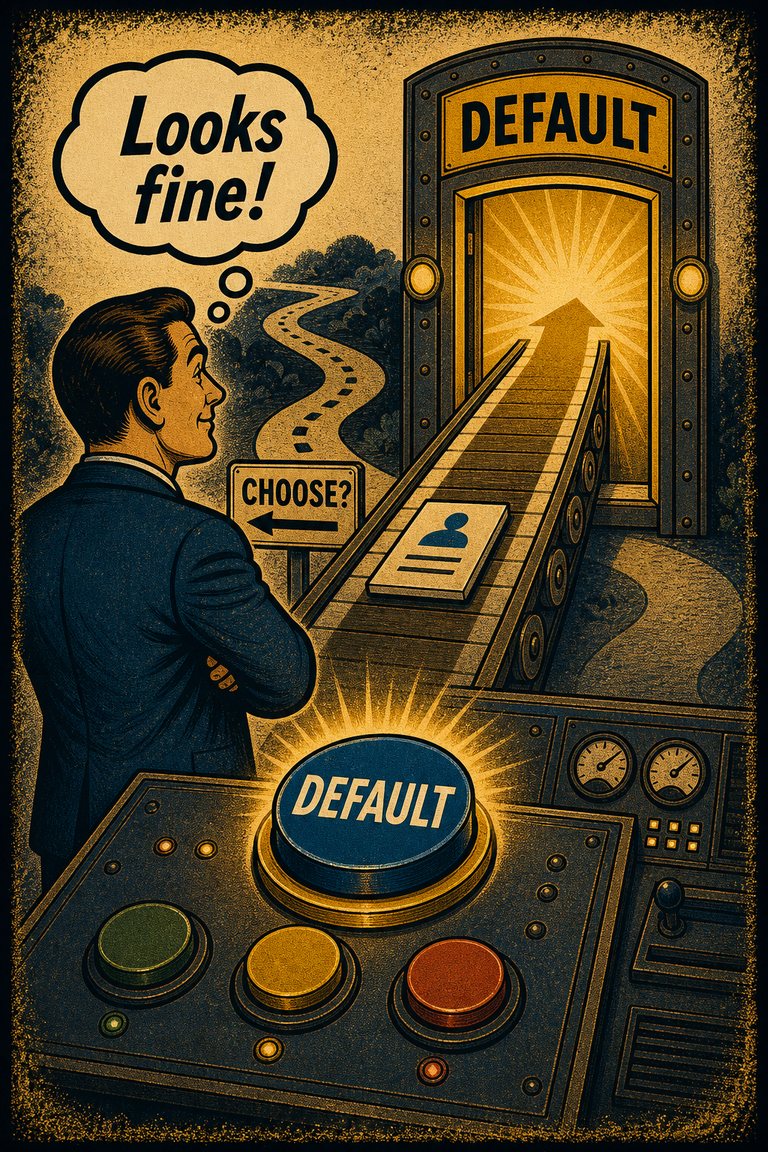
The tendency to favor the preselected or default option simply because it is already positioned as the path of least resistance.