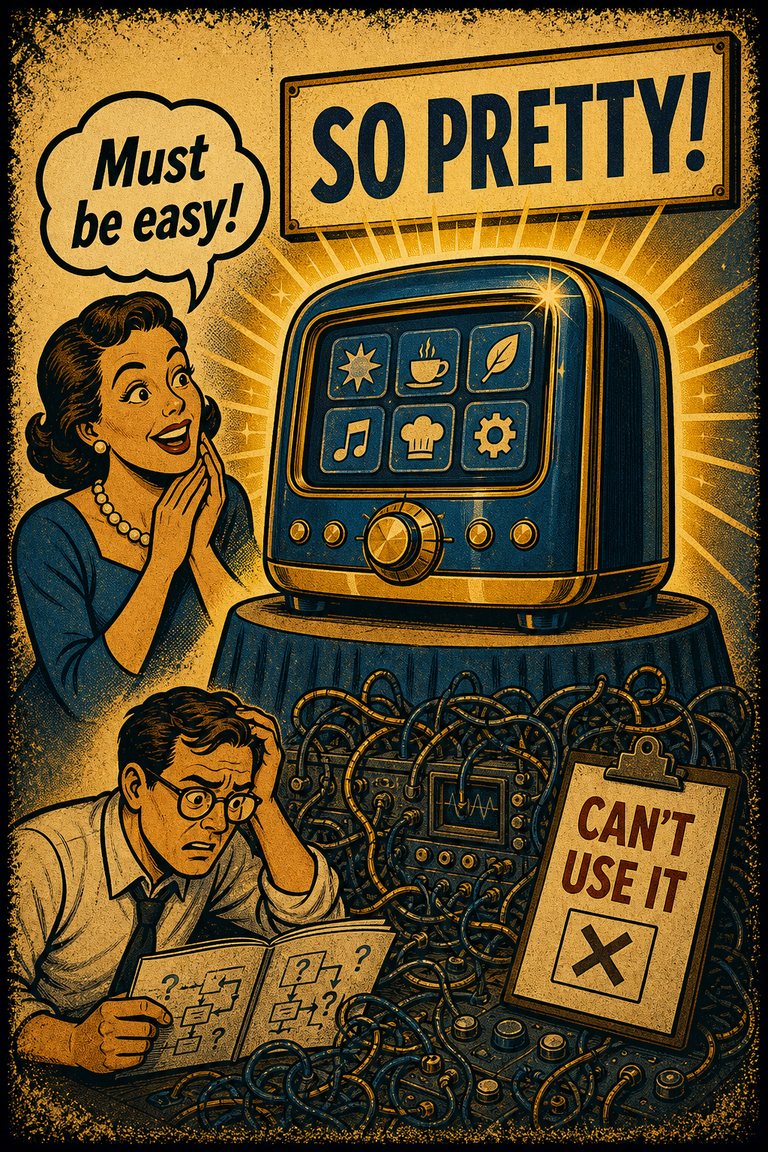
Aesthetic–usability effect
The tendency to treat attractive things as more usable than they really are.
EstimationAssociation

Cognitive Biases
A practical cognitive-bias site with clear definitions, learning paths, assessments, self-audits, and debiasing tools.
Category
Biases here distort numerical judgment, probability, calibration, and first-pass estimation.
Use these side by side before deciding which label best fits the judgment failure you are seeing.
The tendency to treat attractive things as more usable than they really are.
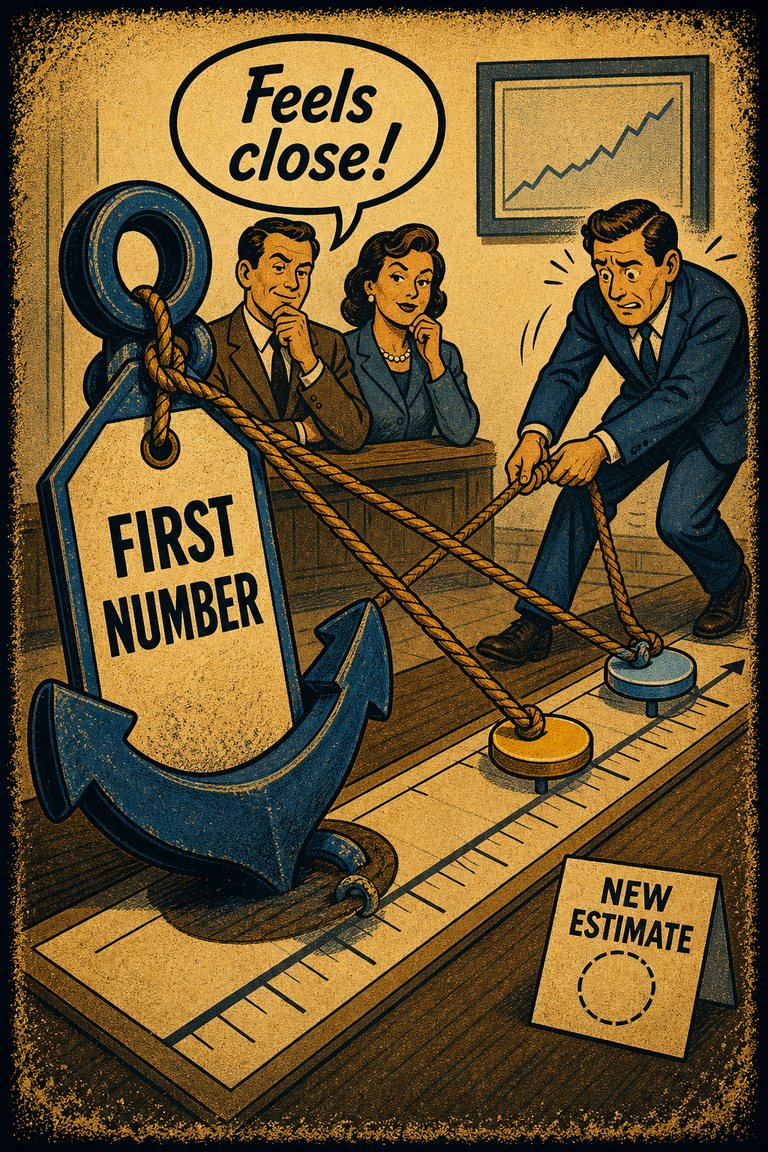
The tendency for the first salient number, frame, or option to pull later estimates toward itself even when it is arbitrary or weakly relevant.

The tendency to answer a hard judgment question by unconsciously substituting an easier one.
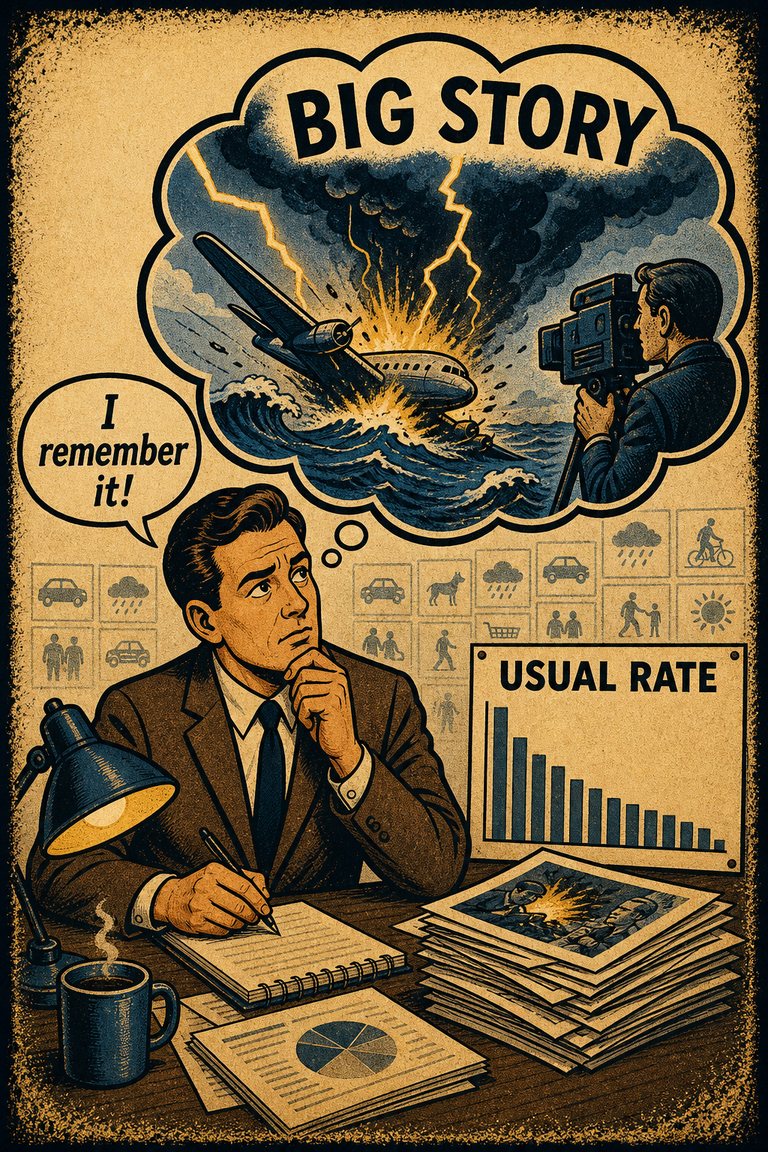
The tendency to judge frequency, risk, or importance by how easily examples come to mind.

The tendency to underweight general prevalence information when vivid case-specific details are available.

The tendency to assume that specific conditions are more probable than a more general version of those same conditions.
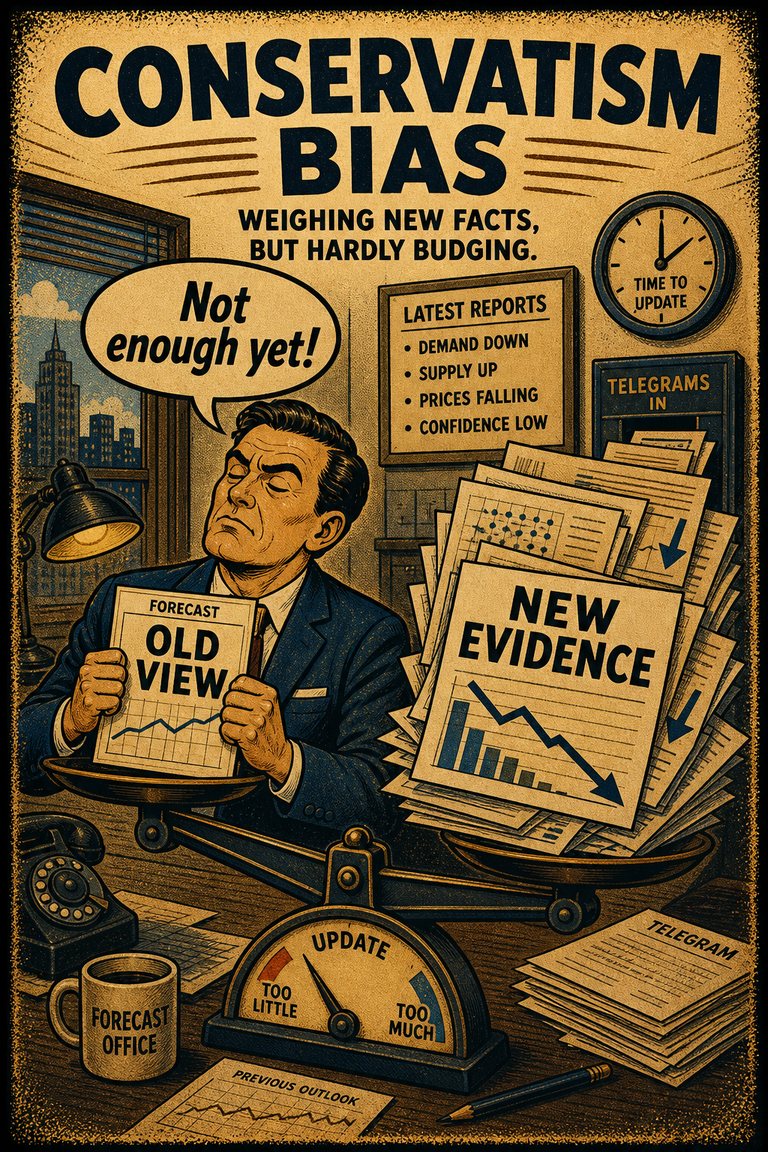
The tendency to insufficiently revise one's belief when presented with new evidence.
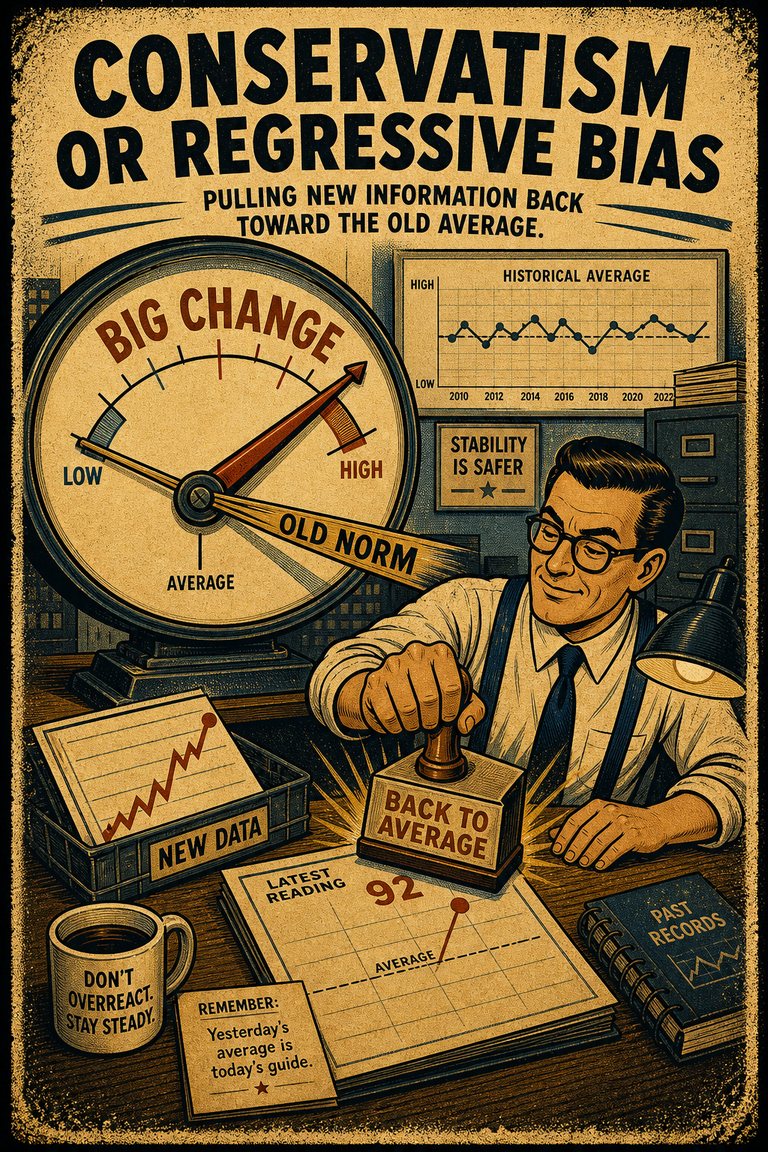
The tendency to remember high values as lower and low values as higher, pulling estimates back toward the middle.
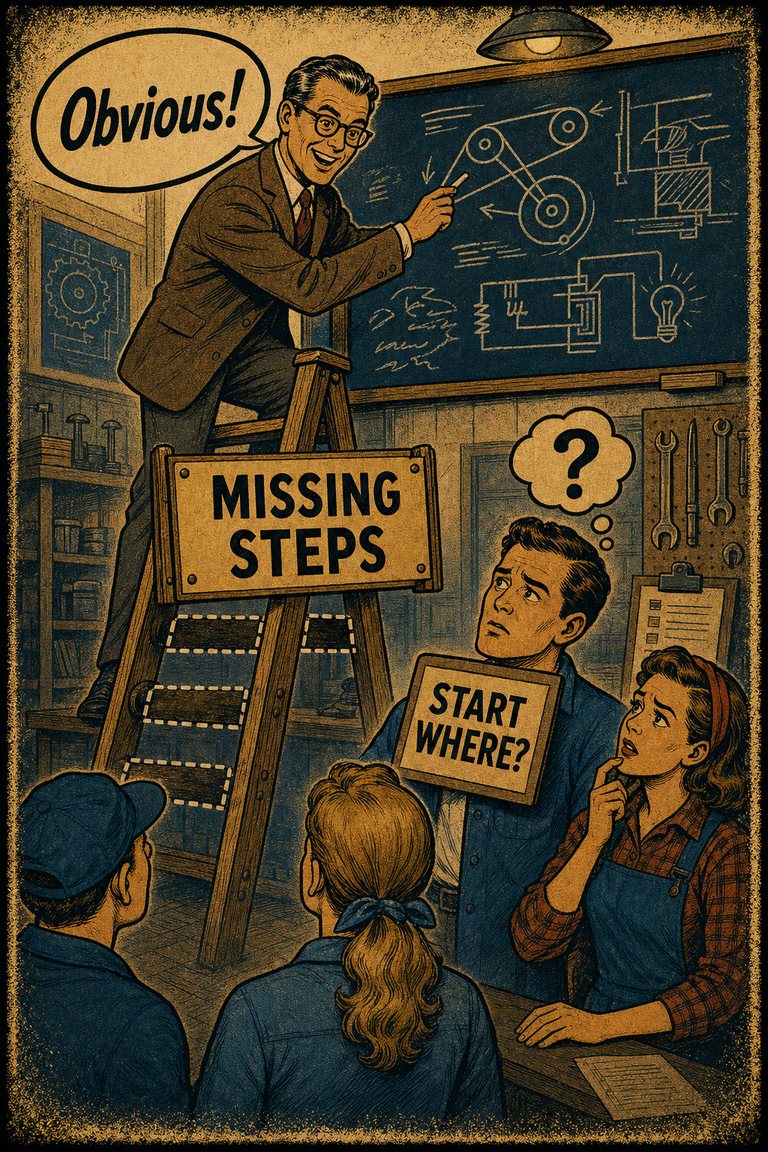
The tendency for better-informed people to underestimate how hard the issue looks to less-informed people.

The tendency for low skill or shallow understanding to produce overestimation of one's own competence, while higher-skill people may underestimate how unusual their competence really is.

The tendency to expect or predict more extreme outcomes than those outcomes that actually happen.

An exception to the fundamental attribution error, where people view others as having extrinsic motivations, while viewing themselves as having intrinsic motivations.
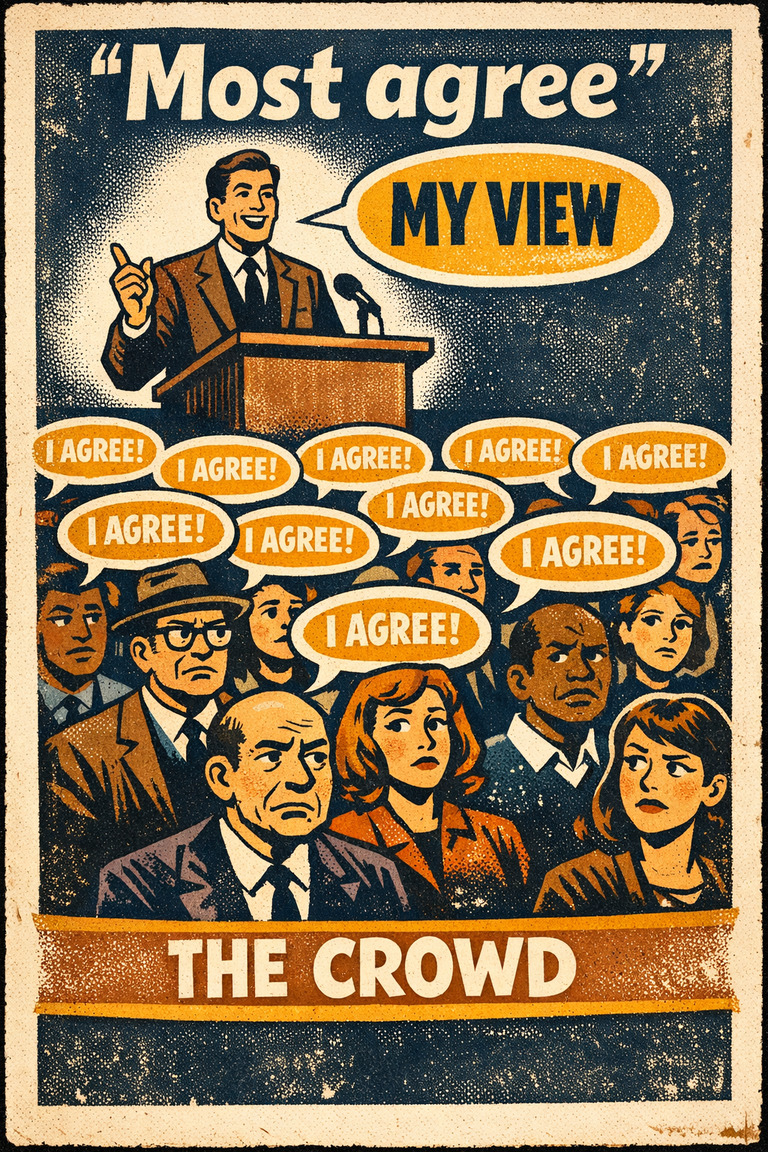
The tendency to overestimate how many other people share one's own beliefs, preferences, habits, or reactions.

The tendency to think that future probabilities are altered by past events, when in reality they are unchanged.
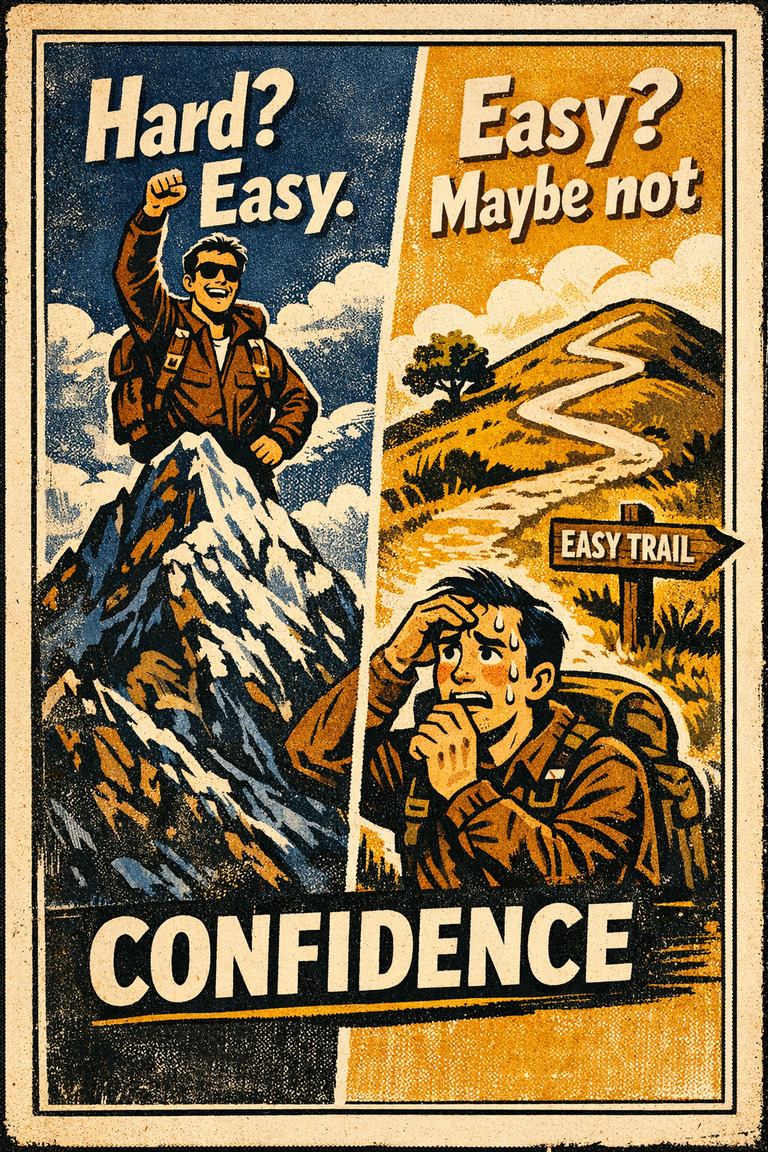
The tendency to overestimate one's ability to accomplish hard tasks, and underestimate one's ability to accomplish easy tasks.

The tendency for current satisfaction to distort how positively or negatively past experience is remembered.

The tendency to underestimate the influence of visceral drives on one's attitudes, preferences, and behaviors.

The belief that a person who has experienced success with a random event has a greater chance of further success in additional attempts.

The tendency to overestimate how visible one's thoughts, feelings, or intentions are to others.

The tendency to overestimate the accuracy of one's judgments, especially when available information is consistent or inter-correlated.
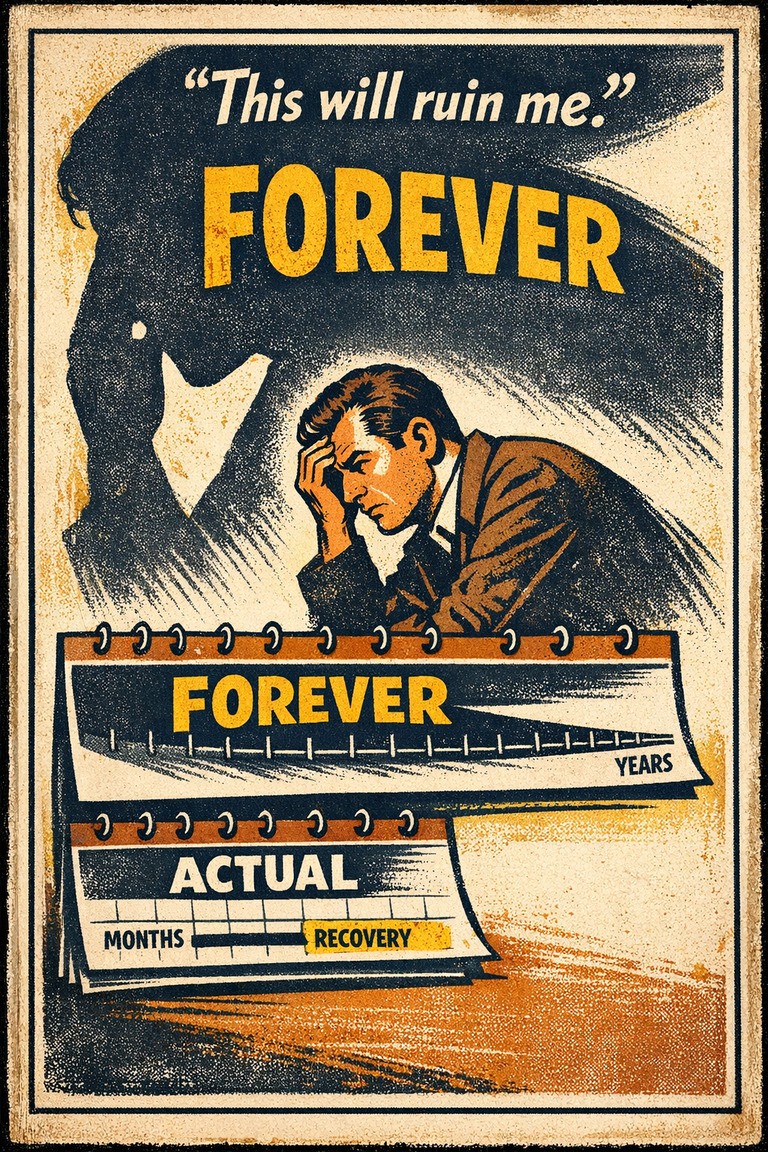
The tendency to overestimate the length or the intensity of the impact of future feeling states.
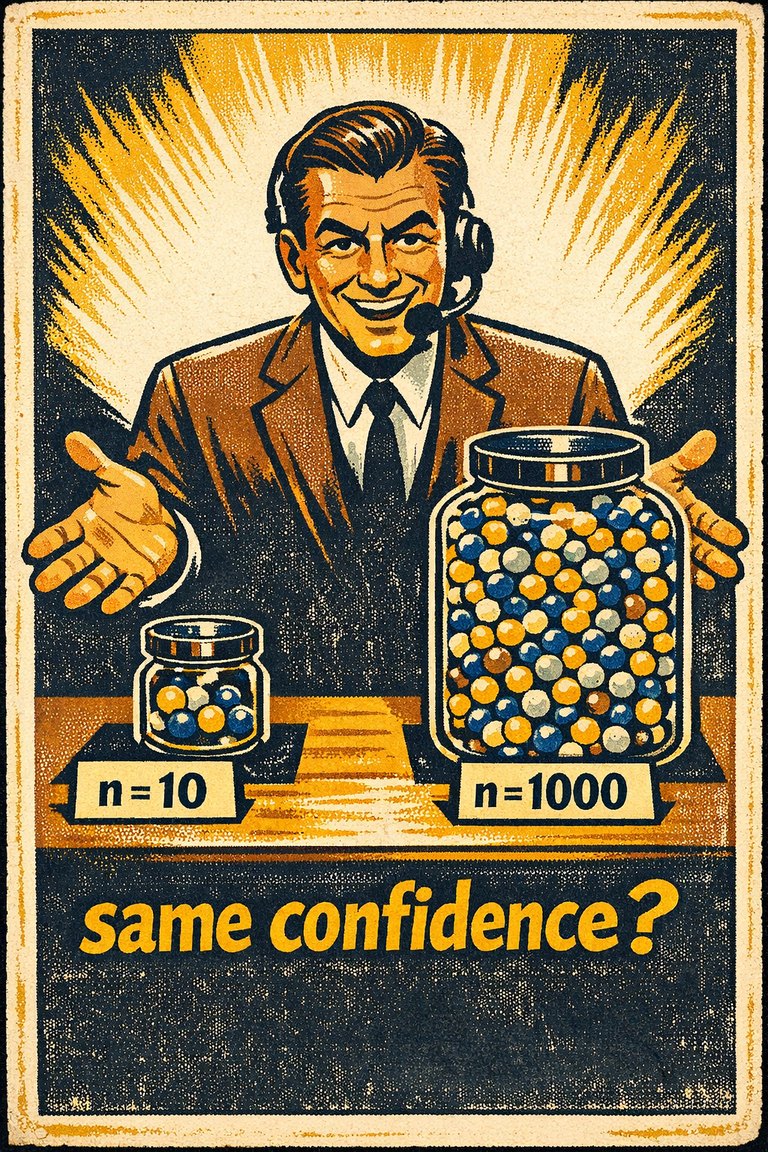
The tendency to under-expect variation in small samples and overread sparse data.

The tendency for hunger, fatigue, pain, or other bodily states to distort judgment.

The tendency to expect more egocentric bias in others than in oneself.

The tendency to overestimate favorable outcomes and underestimate the probability or impact of unfavorable ones, especially for oneself or one's own plans.

The tendency to judge a decision mainly by its result rather than by the quality of the reasoning behind it.

The tendency to see members of other groups as more alike than members of one's own group.

The tendency to overestimate the likelihood that bad things will happen.

The tendency for people to underestimate the time it will take them to complete a given task.

The tendency to overestimate one's ability to show restraint in the face of temptation.

The tendency to overestimate sexual interest of another person in oneself, and sexual underperception bias, the tendency to underestimate it.

The tendency to overestimate how much other people notice, remember, or care about one's appearance, mistakes, or behavior.
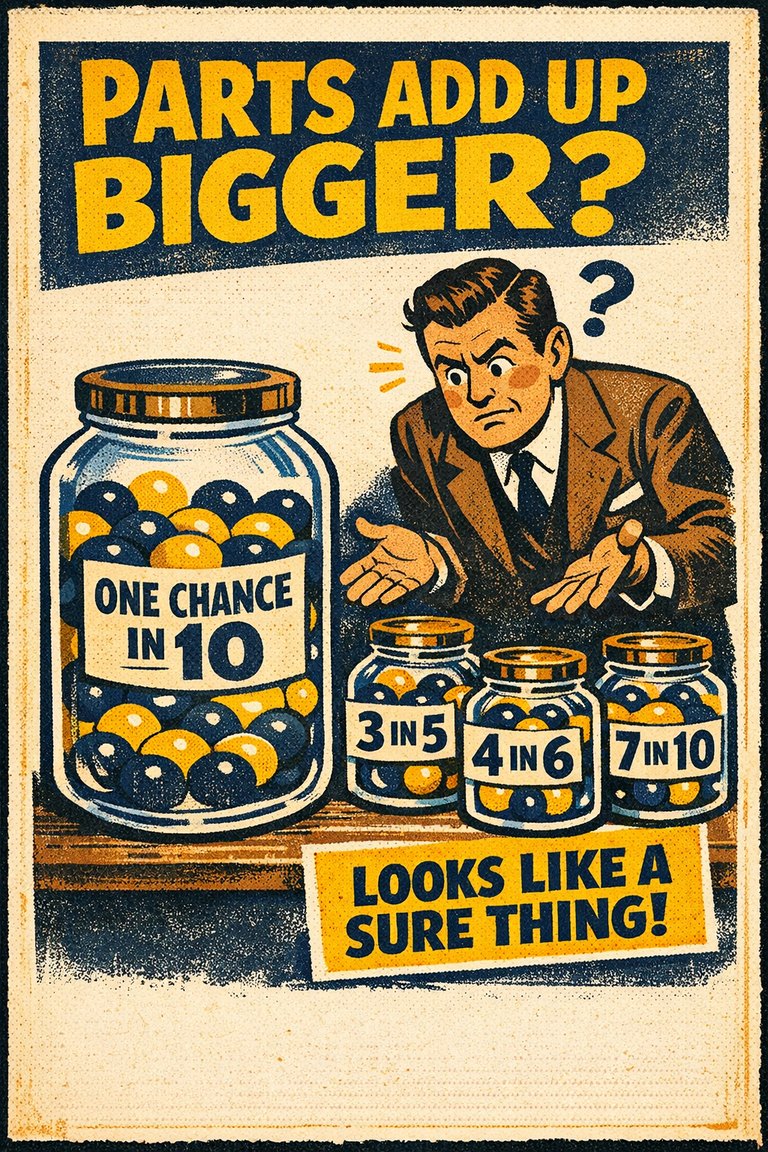
The tendency to estimate that the likelihood of a remembered event is less than the sum of its mutually exclusive components.
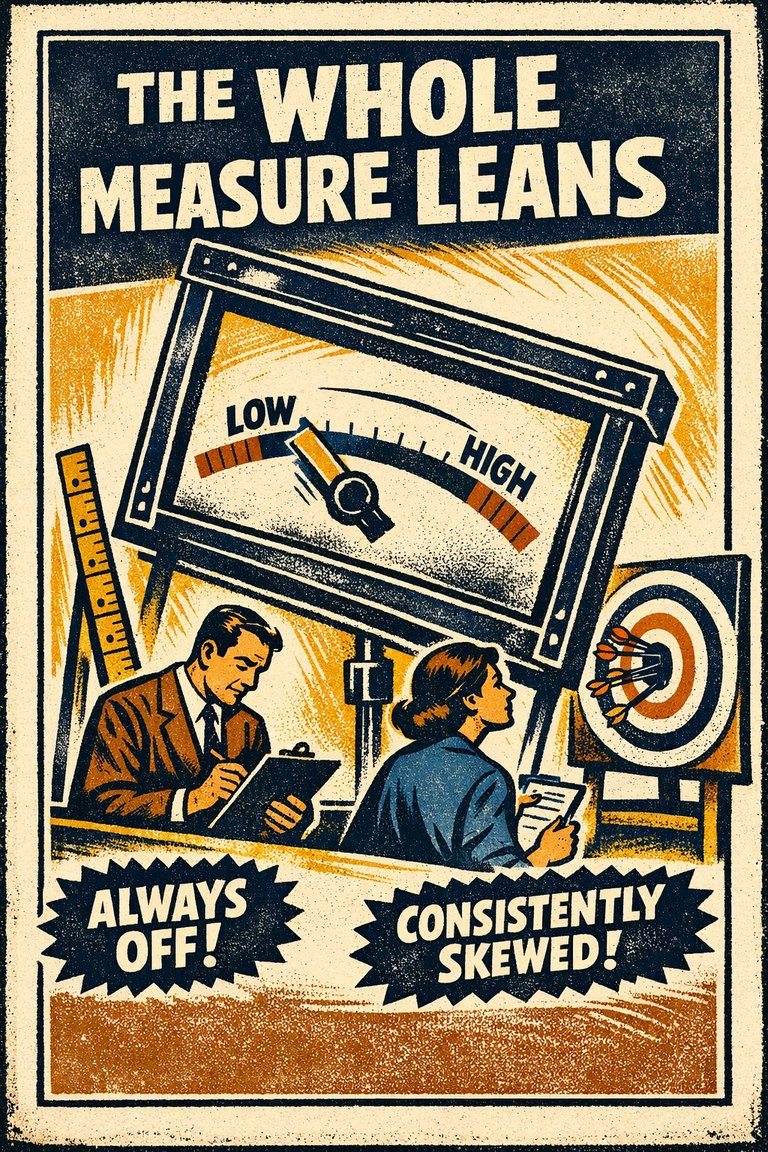
Judgement that arises when targets of differentiating judgement become subject to effects of regression that are not equivalent.
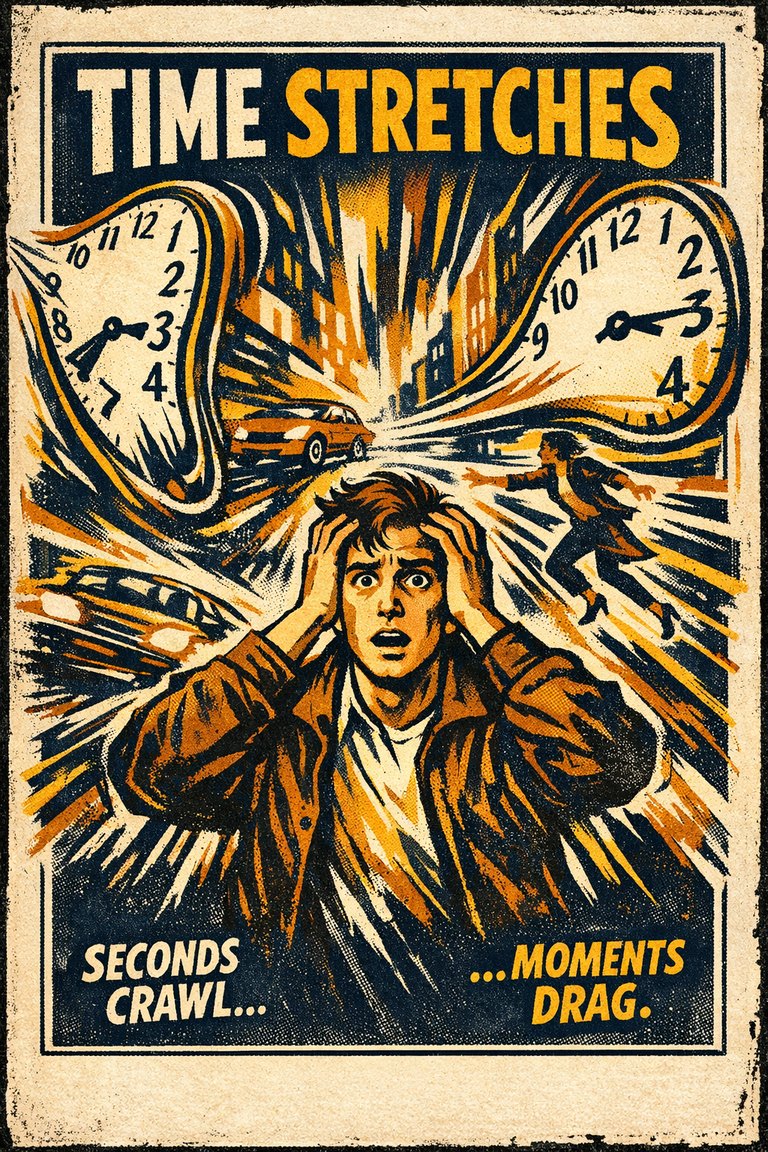
The tendency for time to feel slowed down or sped up during intense stress or arousal.
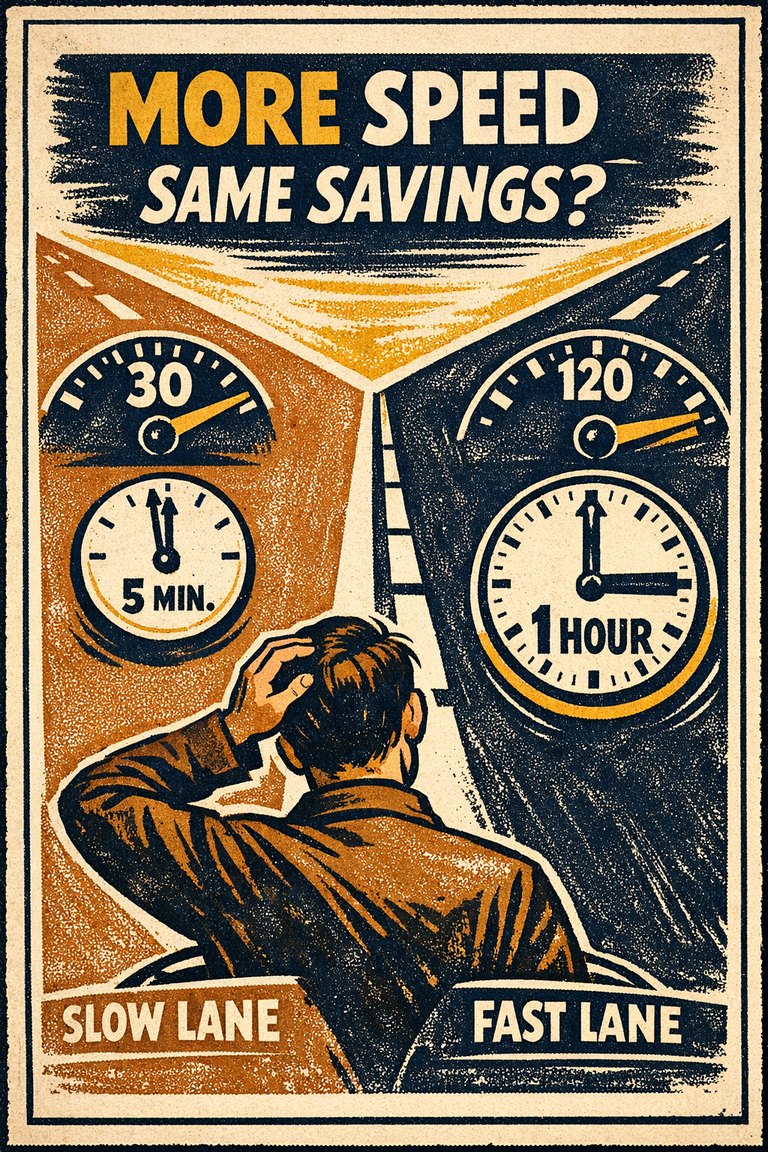
The tendency to misjudge how much time is saved by speed changes, especially at low versus high speeds.

The tendency to overestimate the importance, uniqueness, or permanence of the present moment.

The tendency to treat a standard unit or serving as the right amount to consume.
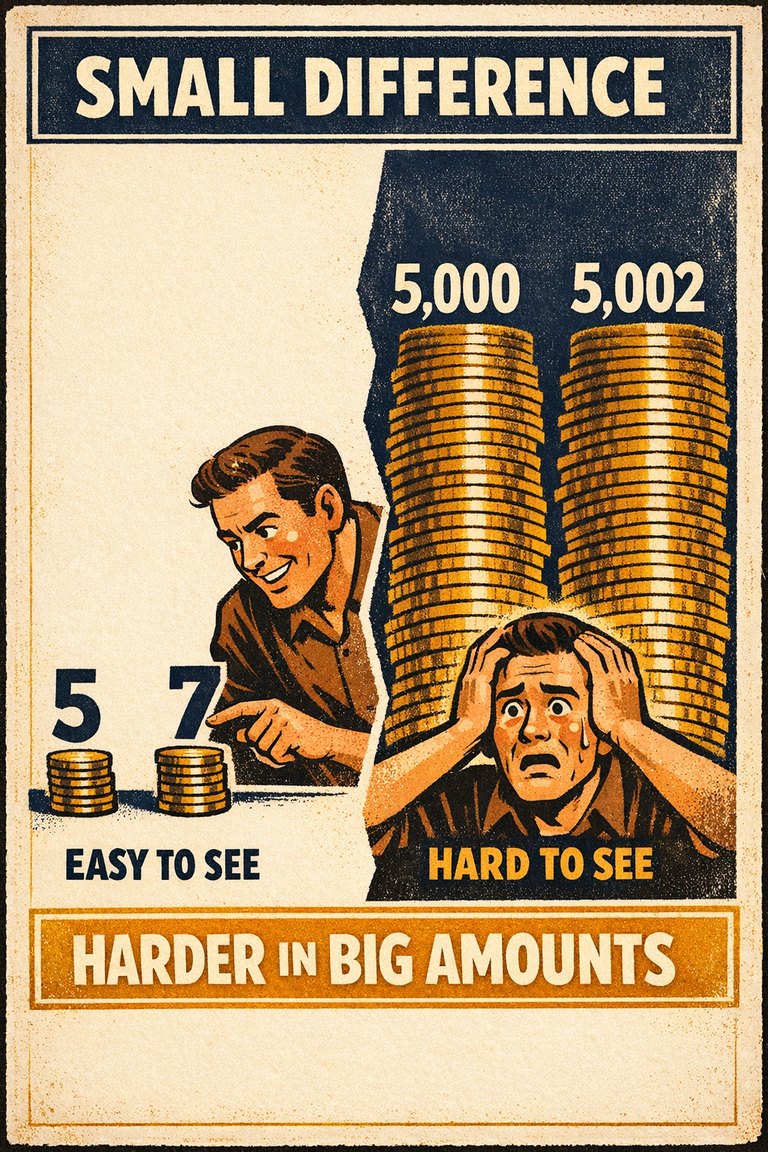
Difficulty in perceiving and comparing small differences in large quantities.
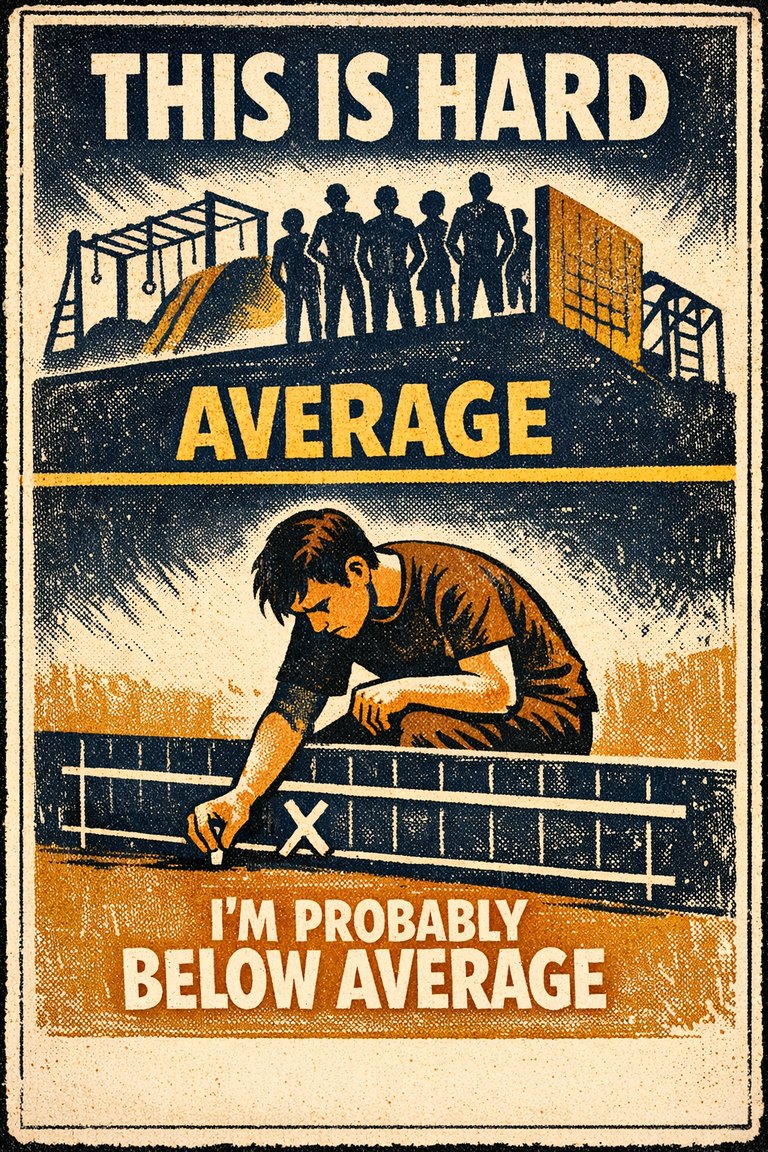
The tendency to believe ourselves to be worse than others at tasks which are difficult.