Loss aversion
Core pattern
Potential losses loom larger than comparable gains.
Ask: Is the choice being dominated by what could be lost from here?

Cognitive Biases
A practical cognitive-bias site with clear definitions, learning paths, assessments, self-audits, and debiasing tools.
Compare Biases
Loss aversion overweights losses relative to gains; the sunk cost effect keeps investment going because prior costs feel like they must be redeemed.
Loss aversion
Potential losses loom larger than comparable gains.
Ask: Is the choice being dominated by what could be lost from here?
Sunk cost effect
Past investment keeps influencing a decision even though it cannot be recovered.
Ask: Would we choose this again today if the past investment belonged to someone else?
Continuing a bad project can feel like avoiding a loss, but the key question is whether past investment is doing the work.
Ask whether the pain comes from possible future loss or from refusing to accept an unrecoverable past cost.
Use these before deciding which label should carry the lesson.
Is the argument about future downside or past spending?
Would the decision change if previous costs were hidden?
What option has the best forward-looking expected value?
The same surface area can point to different underlying mechanisms.
A team avoids a migration because giving up the old workflow feels like losing comfort and control.
Why: The feared loss is forward-looking.
A team funds a failing project because too much money has already been spent.
Why: Irrecoverable past investment is steering the decision.
Repair Move
Run one pass that ignores past costs, then compare future gains and losses symmetrically.
Use the comparison as a bridge into the fuller pages.
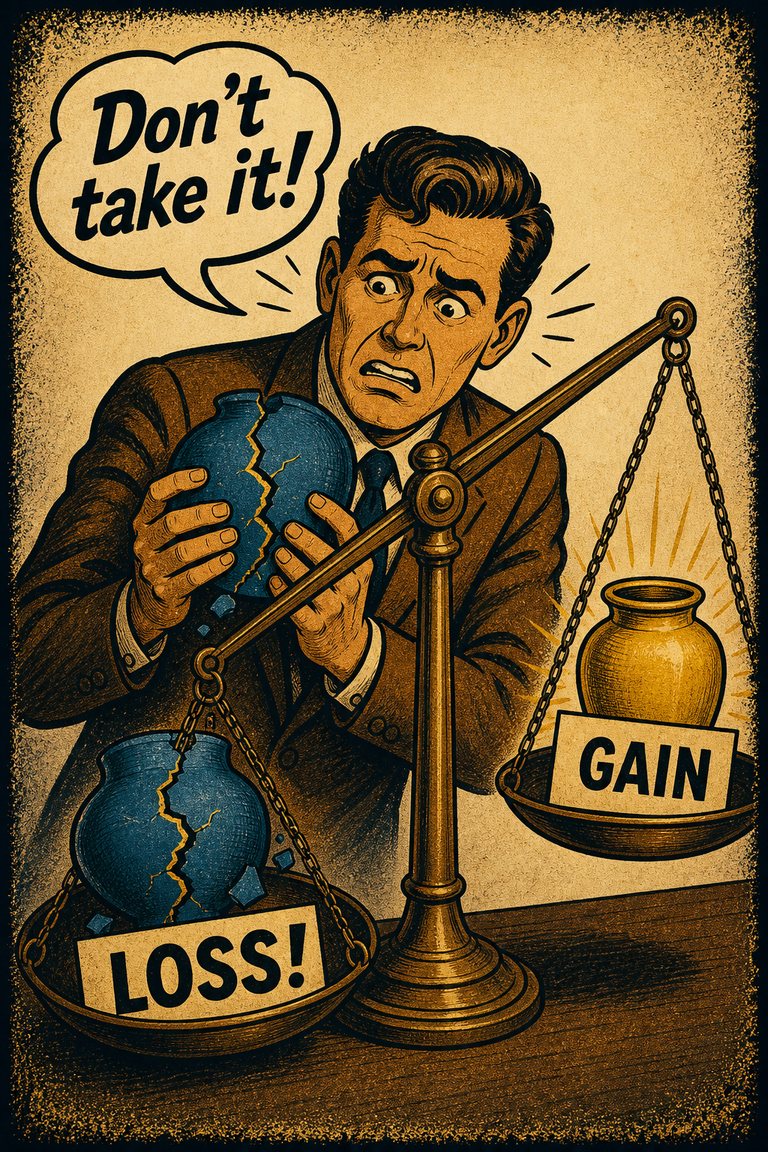
The tendency for losses or giving something up to feel worse than equivalent gains feel good.
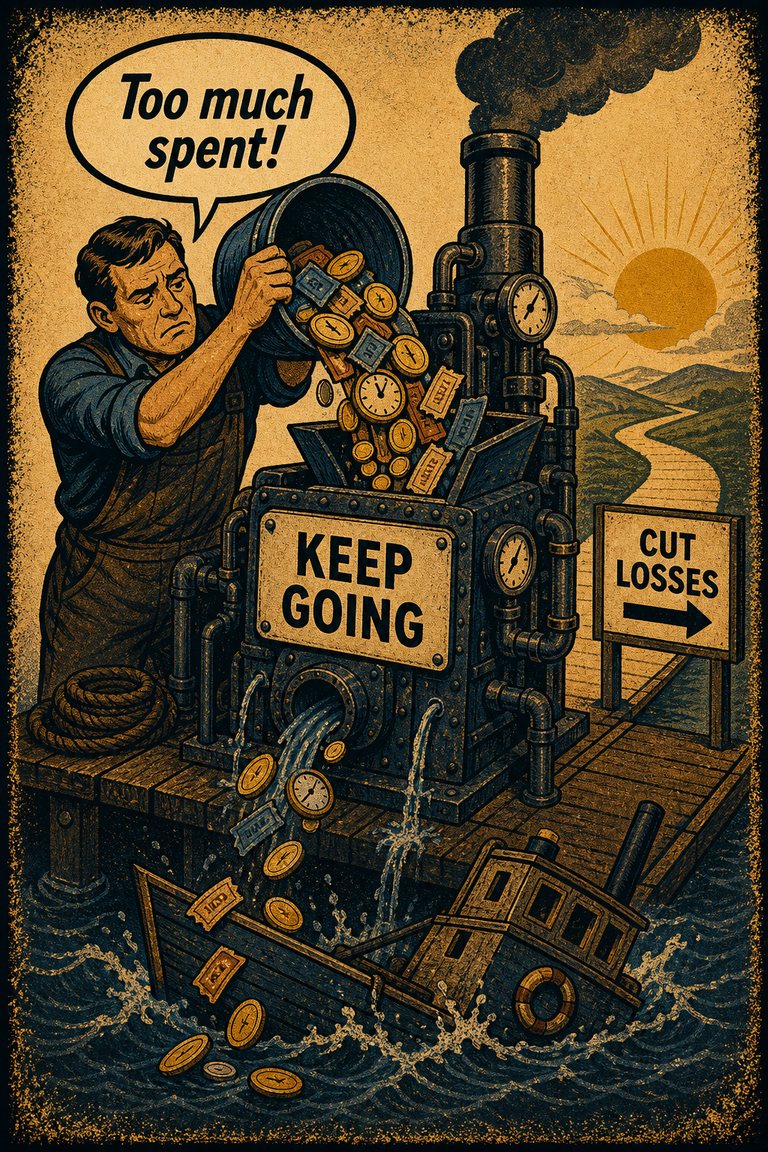
The tendency to keep investing in a losing path because of what has already been spent, even when the forward-looking case has weakened.