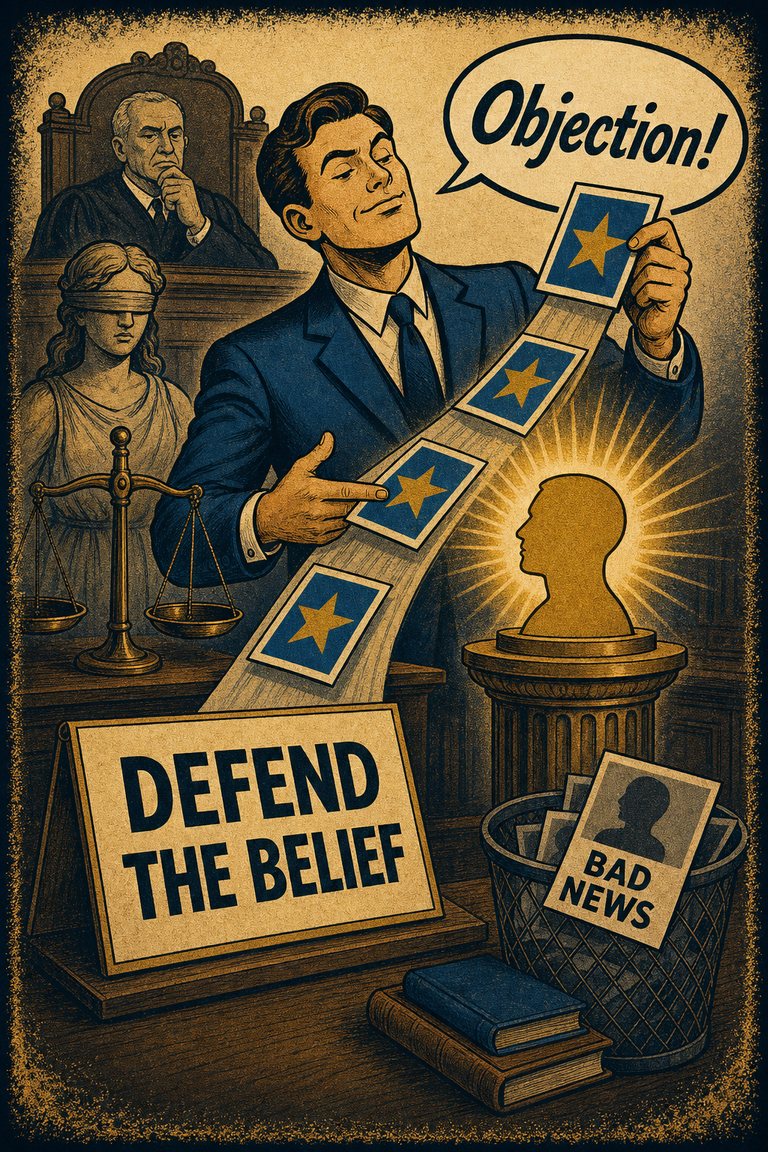
Motivated reasoning
The tendency to use reasoning as a defense lawyer for desired conclusions rather than as an impartial search for what is most likely true.
Hypothesis AssessmentSelf-PerspectiveMedia & politicsPersonal decisions

Cognitive Biases
A practical cognitive-bias site with clear definitions, learning paths, assessments, self-audits, and debiasing tools.
Theory Article
A theory article on how ego, ownership, and prior commitment change not just what people conclude, but how stubbornly they organize reasons around the conclusion.
Some distortions are not powered mainly by speed or ignorance. They are powered by how expensive a revision would feel. Once a belief, project, or self-story becomes identity-bearing, error correction starts competing with self-protection.
A judgment can threaten competence, loyalty, status, or self-respect long before it threatens logic. When that happens, the correction problem changes shape. People are no longer deciding only what is true. They are also deciding what kind of person they will feel like after the revision.
That is one reason motivated reasoning, self-serving bias, sunk cost effect, and status quo bias often cluster together. Each one can protect a self-relevant arrangement by changing what kind of evidence or cost feels salient.
Once revision becomes identity-expensive, the mind becomes inventive. It can move standards, reinterpret losses, inflate past investment, or treat continuity as neutrality. None of those moves need to feel cynical from the inside. They often feel like fairness, loyalty, or realism.
This is why debiasing cannot rely only on asking people to be more objective. It has to lower the ego cost of updating and separate self-worth from verdict preservation.
Decision journals, outside reviewers, premortems, and explicit stopping rules all help because they move some of the burden off private willpower. They create conditions under which revision can happen without feeling like a total personal collapse.
If a bias site wants to help with defended positions, it has to teach not just what is wrong, but how to make changing course psychologically survivable.
Use these entry pages after the article if you want the same theory translated into more concrete diagnostic and repair tools.
The tendency to use reasoning as a defense lawyer for desired conclusions rather than as an impartial search for what is most likely true.
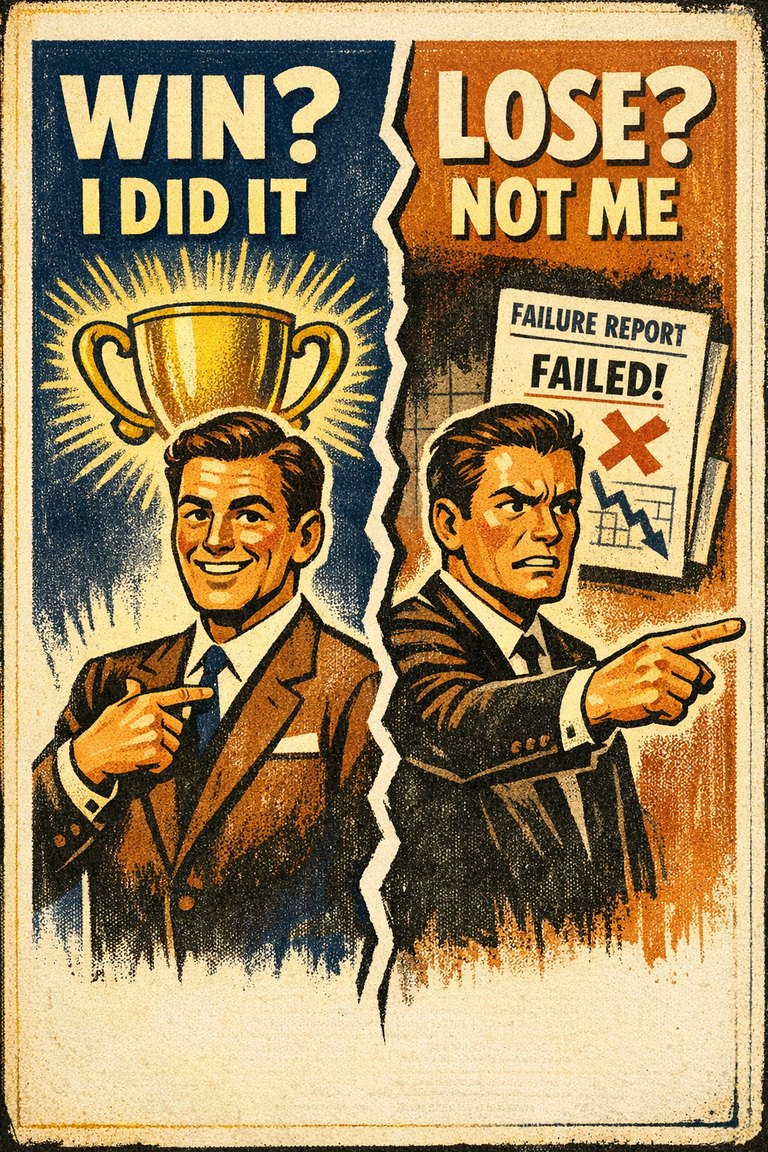
The tendency to take disproportionate credit for successes while locating failures in bad luck, unfair circumstances, or other people.
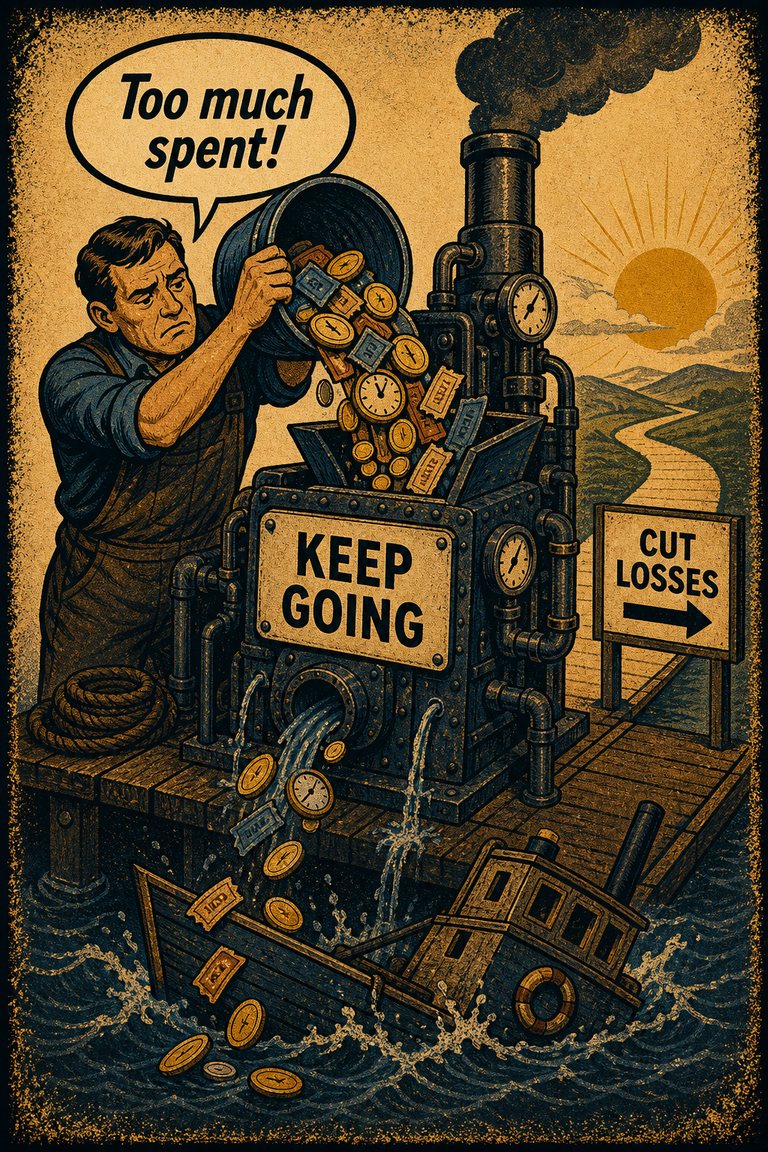
The tendency to keep investing in a losing path because of what has already been spent, even when the forward-looking case has weakened.
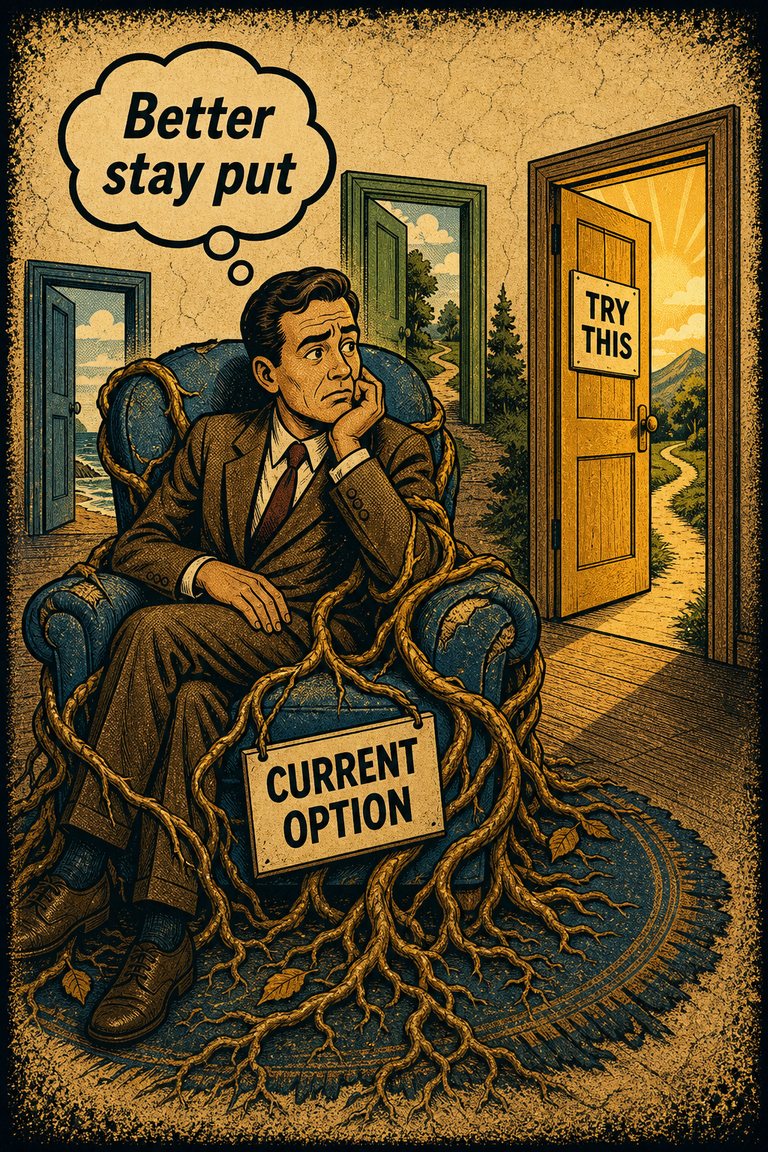
The tendency to prefer the current option, default, or inherited arrangement simply because it is the current option, default, or inherited arrangement.
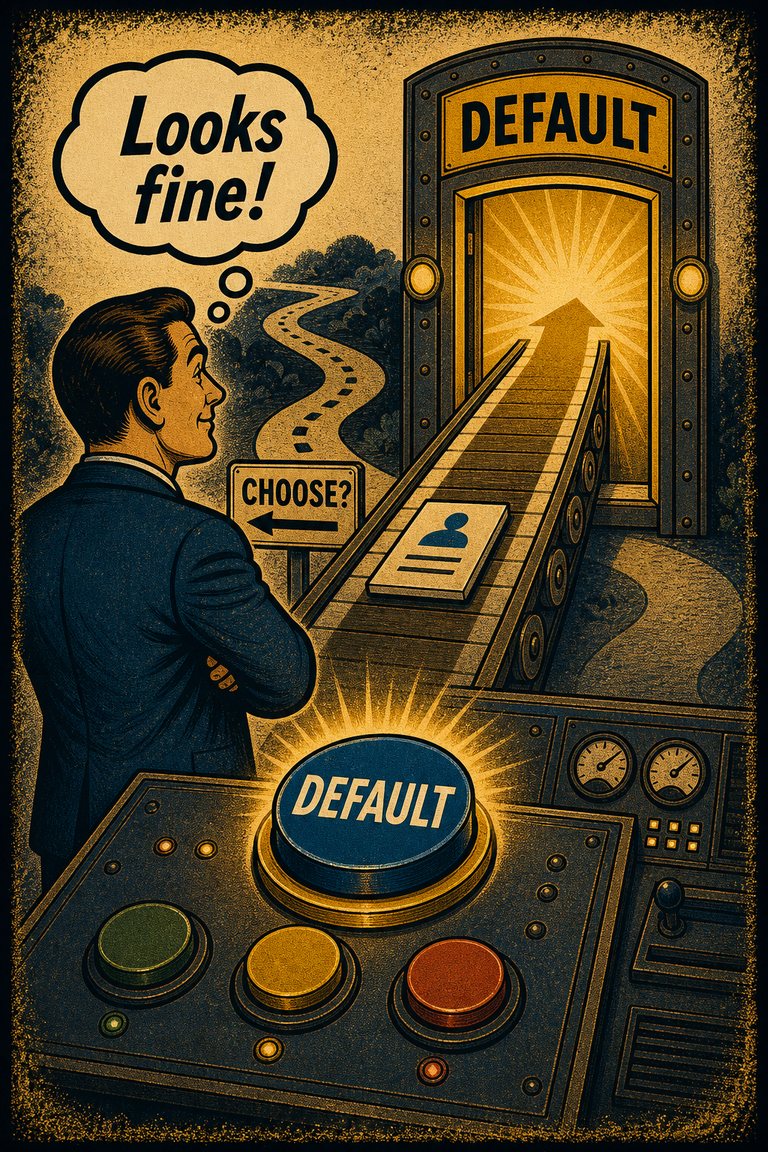
The tendency to favor the preselected or default option simply because it is already positioned as the path of least resistance.