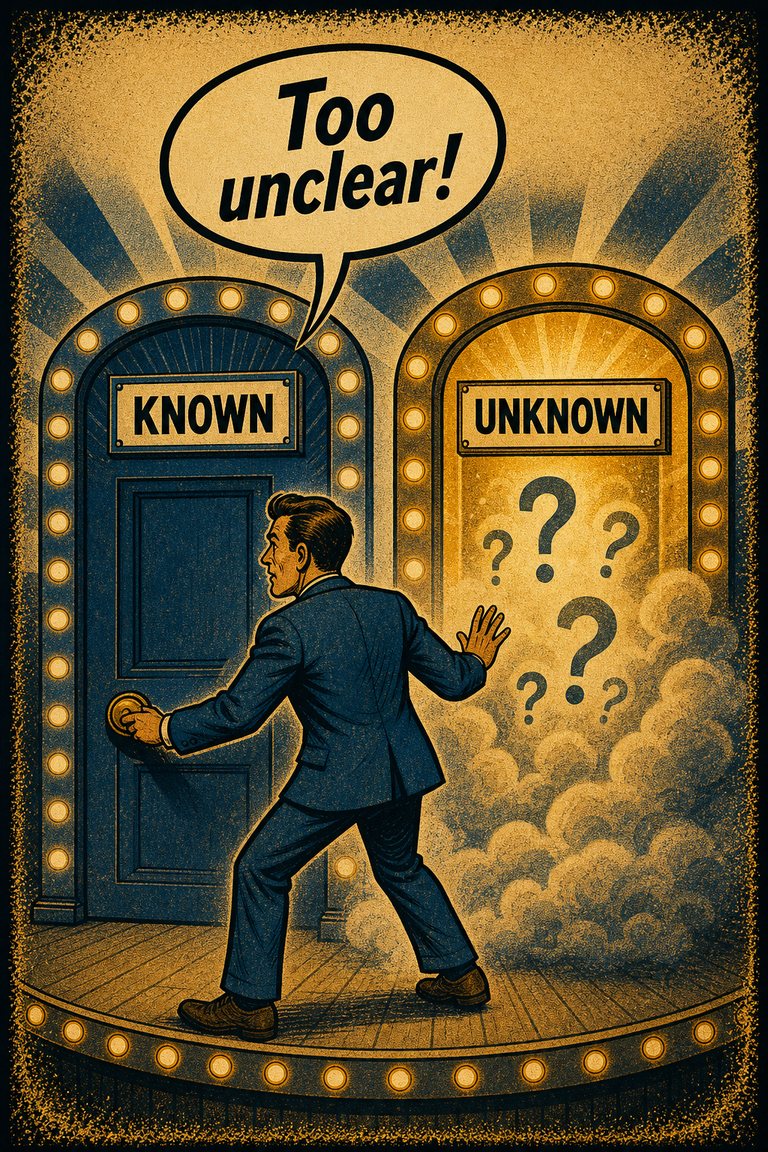
Ambiguity effect
The tendency to avoid options when their probabilities are unclear, even if the unclear option may not actually be worse than the familiar one.
DecisionAssociationForecasting & planningPersonal decisions

Cognitive Biases
A practical cognitive-bias site with clear definitions, learning paths, assessments, self-audits, and debiasing tools.
Theory Article
A theory article on how ambiguity, vivid possibility, and normal baselines can distort risk judgment before explicit calculation ever gets a fair chance.
People do not approach uncertainty with a clean calculator and then merely add feelings afterward. Often the feelings arrive first and decide which parts of the calculation will seem serious enough to deserve attention at all.
Unknown probabilities, vivid low-probability threats, and rare disruptive scenarios do not feel the same. Ambiguity effect pushes people away from the less-specified option. Neglect of probability lets the vivid scenario overpower the percentage. Normalcy bias keeps the familiar baseline feeling more real than the unusual warning.
These are not interchangeable errors. But they do share a family resemblance: subjective comfort with uncertainty starts steering the judgment before comparative reasoning is finished.
Explicit comparison is effortful and emotionally weaker than imagination. A vivid story, a neat probability column, or an ordinary-looking day can seize the frame before the mind asks the more disciplined questions.
That is why debiasing here has to be procedural. If the probability table is not required, or if escalation thresholds are not precommitted, subjective feel will keep outrunning explicit comparison.
A bias site should therefore teach readers to put risks on a common surface. Known and unknown risks, magnitude and probability, baseline and disruption all need symmetrical description before judgment hardens.
The educational target is not fearlessness. It is disciplined comparison.
Use these entry pages after the article if you want the same theory translated into more concrete diagnostic and repair tools.
The tendency to avoid options when their probabilities are unclear, even if the unclear option may not actually be worse than the familiar one.
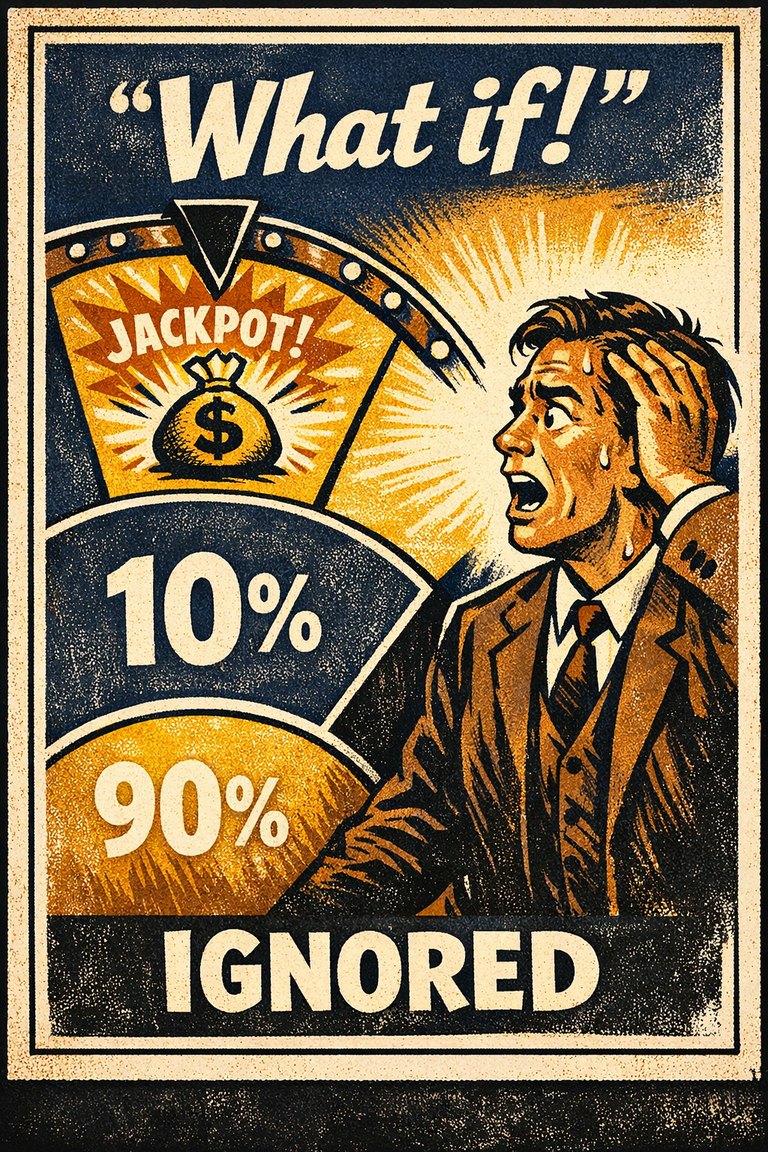
The tendency to ignore or drastically underuse probability information when making decisions under uncertainty.
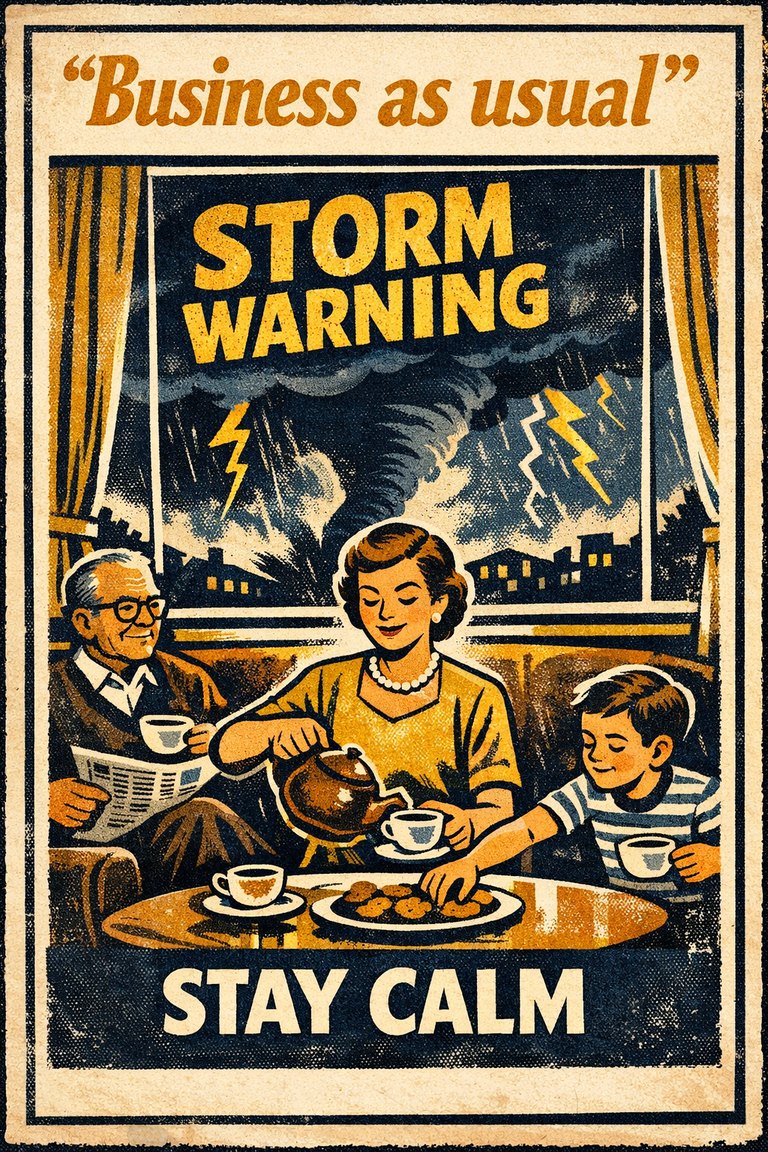
The tendency to assume that things will keep functioning more or less normally, which leads people to underprepare for unprecedented or fast-moving disruption.
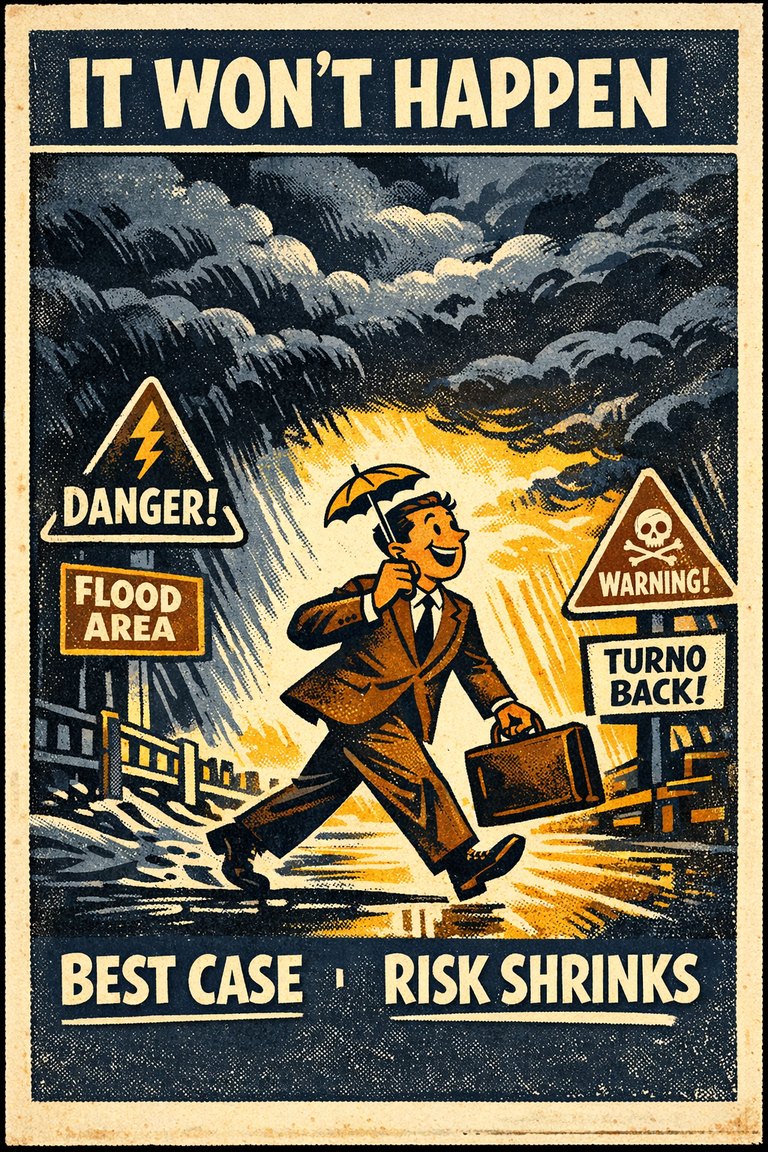
The tendency to overestimate favorable outcomes and underestimate the probability or impact of unfavorable ones, especially for oneself or one's own plans.
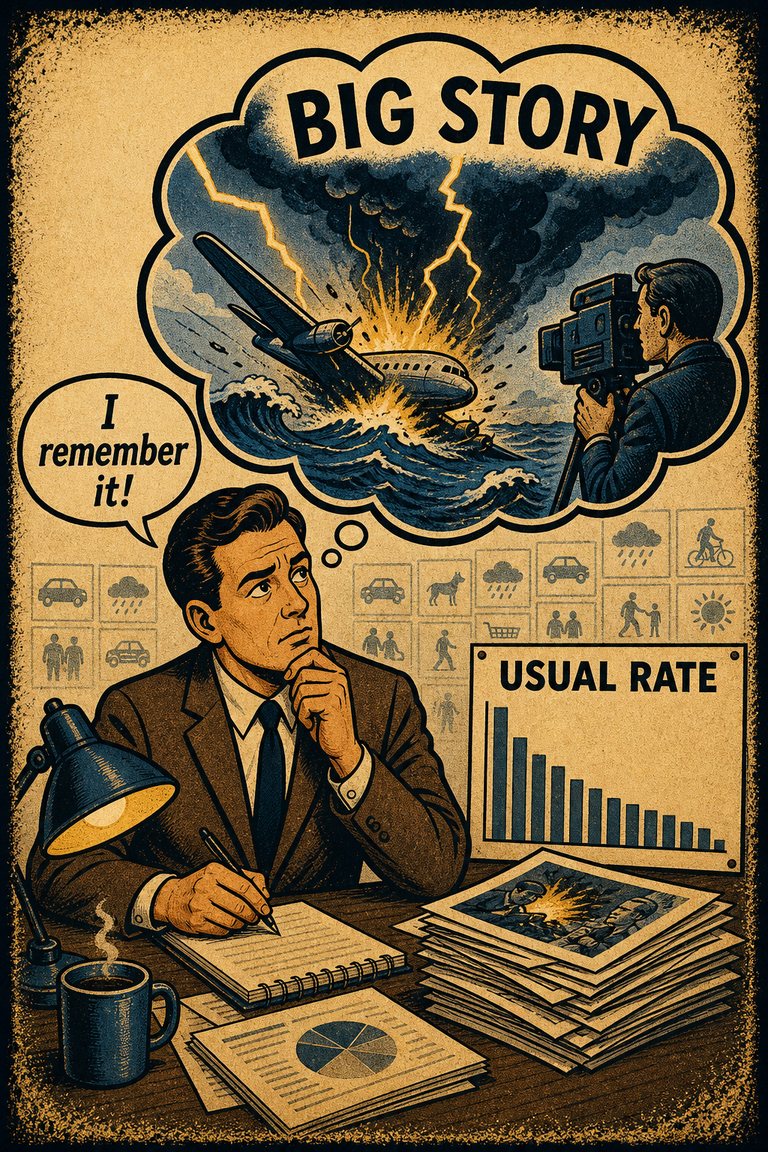
The tendency to judge frequency, risk, or importance by how easily examples come to mind.