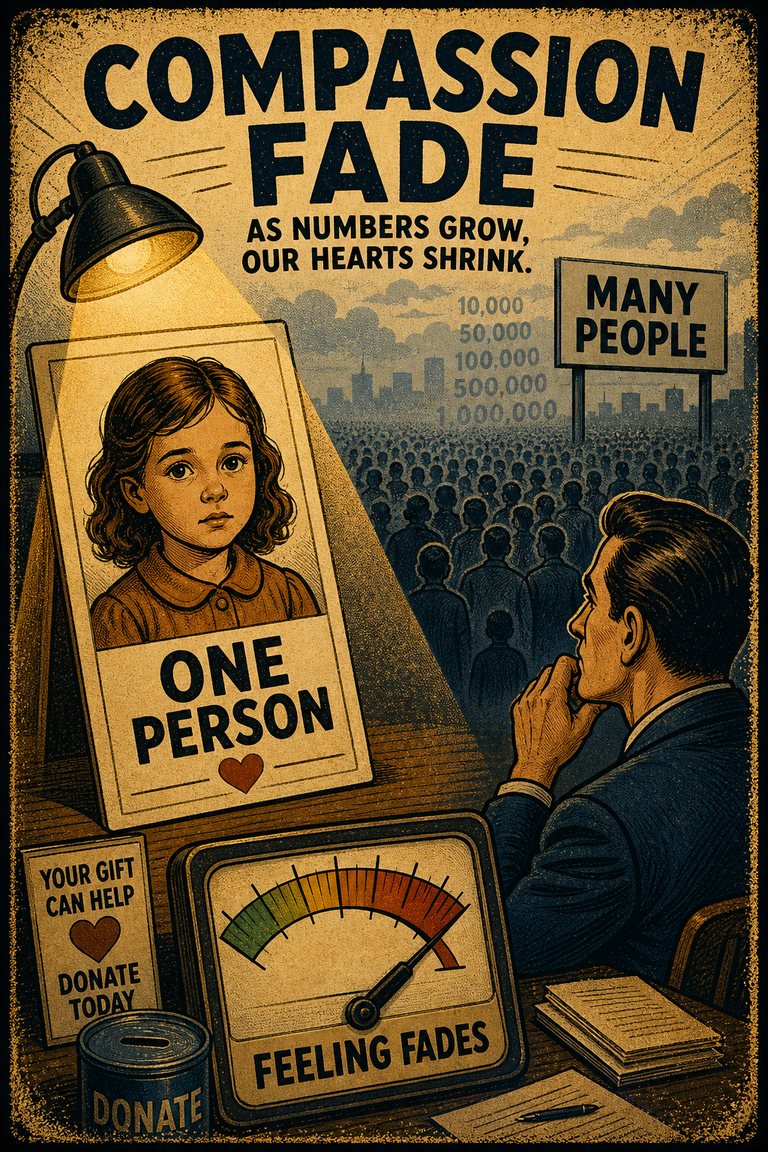
Compassion fade
The tendency to behave more compassionately towards a small number of identifiable victims than to a large number of anonymous ones.
DecisionAssociation

Cognitive Biases
A practical cognitive-bias site with clear definitions, learning paths, assessments, self-audits, and debiasing tools.
Theory Article
An article on why identifiable cases, vivid prototypes, and human-scale stories can overpower larger but more abstract evidence and need deliberate rebalancing.
Human cognition is not naturally scope-proportional. The vivid person, the representationally neat story, and the emotionally legible case often dominate what the larger but flatter pattern cannot command by itself.
Compassion fade shows that care does not scale cleanly with numbers. Conjunction fallacy shows that vividness and representativeness can outrun probability. Availability heuristic helps explain why the memorable case keeps returning first.
These are not moral failures in a simple sense. They are limits of what vividness naturally tracks.
A single face can humanize an issue, but it can also distort what proportionate response requires. A richly detailed scenario can aid understanding, but it can also overpower the broader statistical container it belongs inside. Once vividness becomes the main weight-bearing beam, larger truths go underrepresented.
This matters in charity, policy, media, medicine, and teaching wherever emotionally legible cases compete with broader distributions.
Good calibration keeps both surfaces visible at once: one concrete case and the larger scale, one vivid scenario and the broader probability structure. The goal is not to eliminate human stories, but to stop letting them silently monopolize the judgment.
That is one of the educational tasks of a site like CogBias: helping readers keep compassion, scale, and probability in the same frame.
Use these entry pages after the article if you want the same theory translated into more concrete diagnostic and repair tools.
The tendency to behave more compassionately towards a small number of identifiable victims than to a large number of anonymous ones.
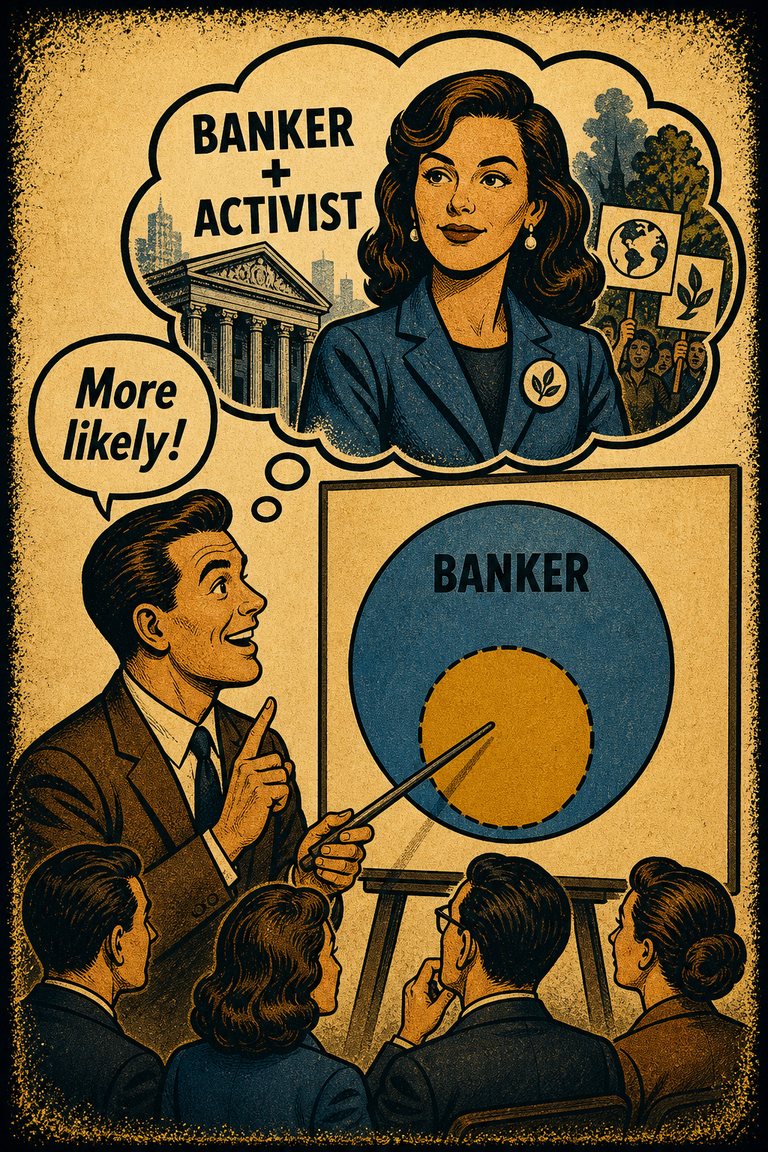
The tendency to assume that specific conditions are more probable than a more general version of those same conditions.
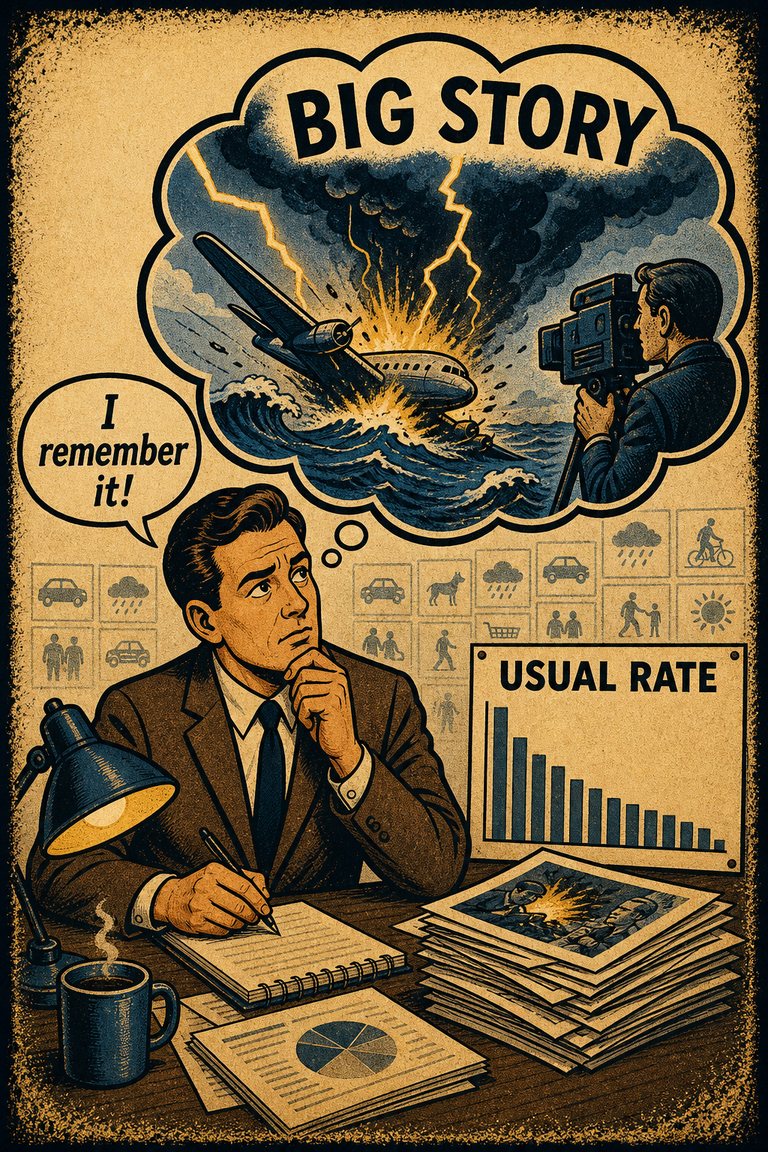
The tendency to judge frequency, risk, or importance by how easily examples come to mind.
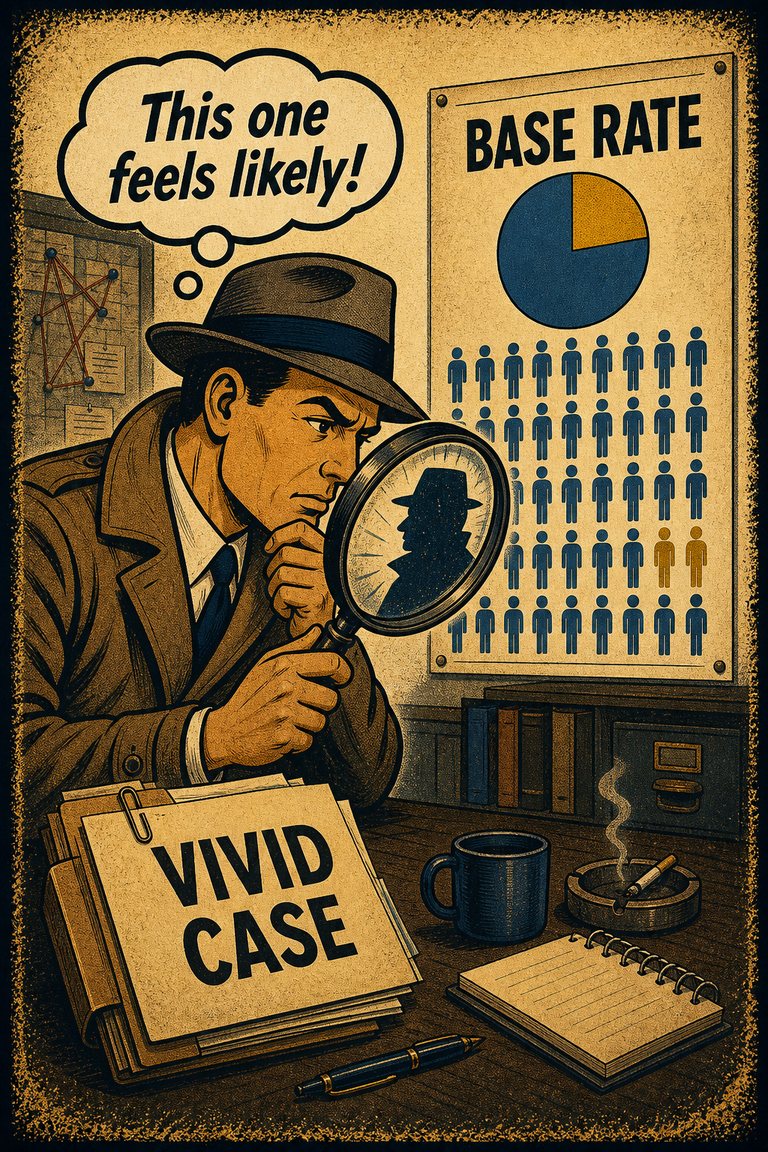
The tendency to underweight general prevalence information when vivid case-specific details are available.
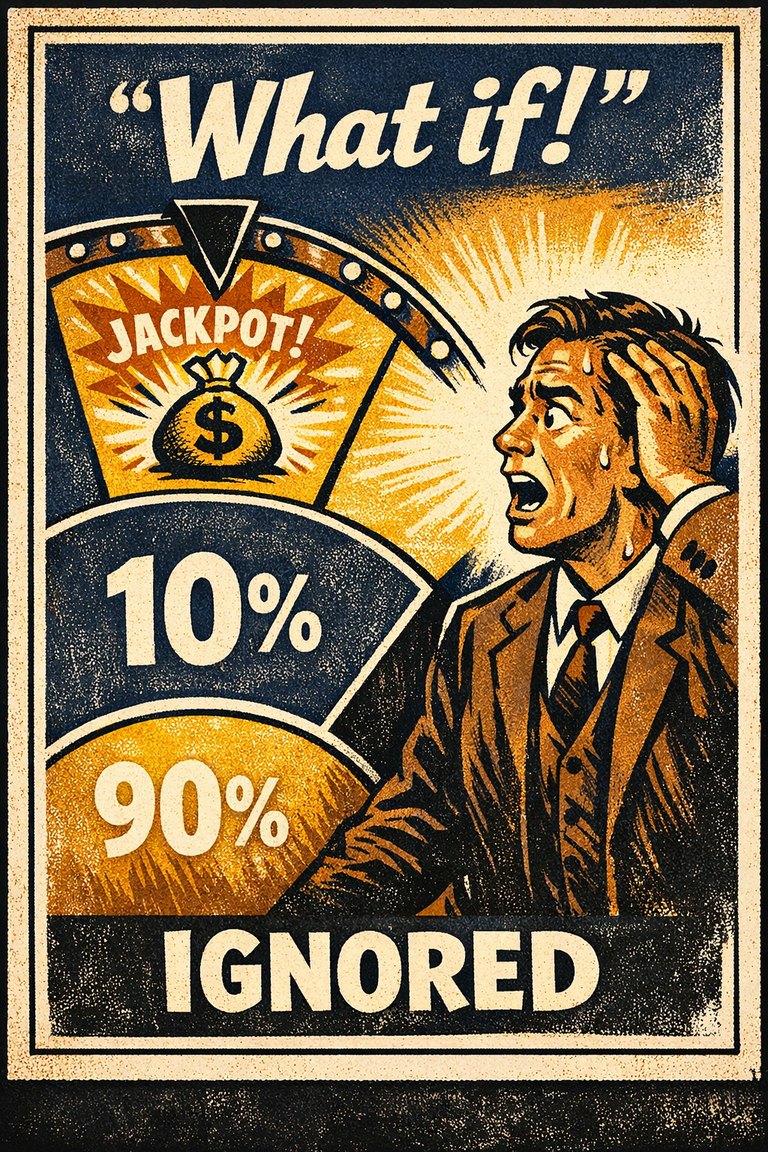
The tendency to ignore or drastically underuse probability information when making decisions under uncertainty.