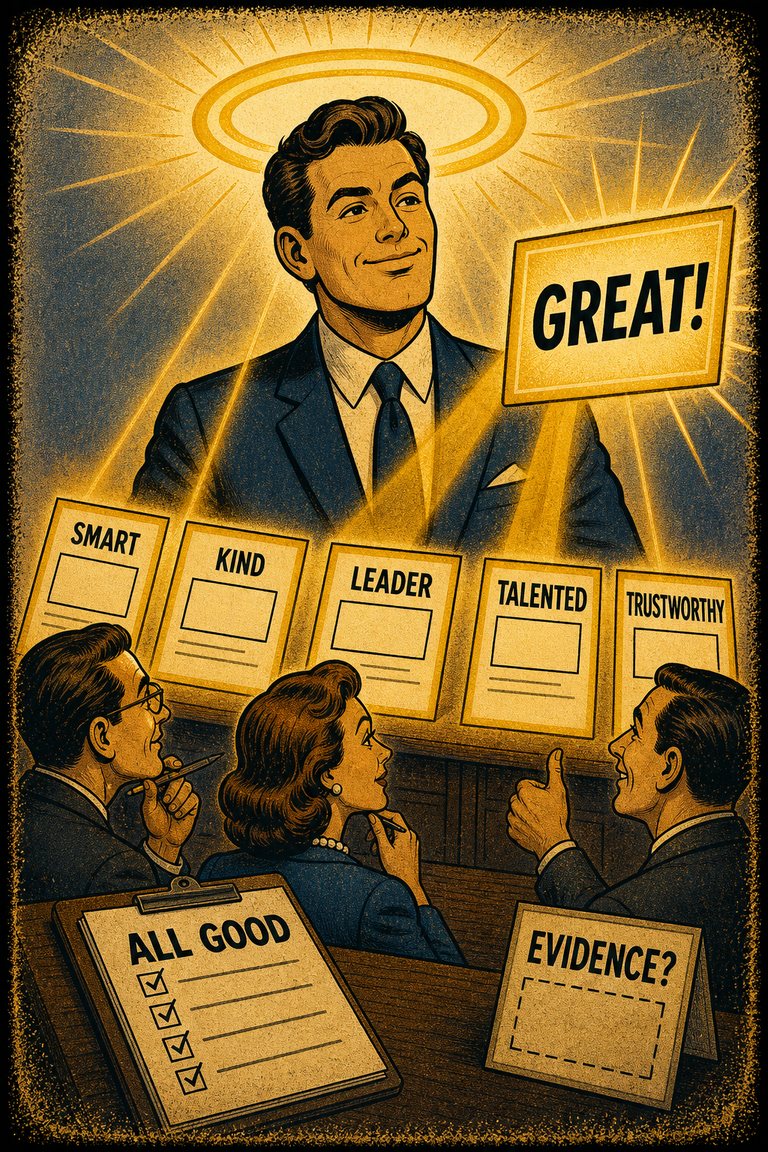
Halo effect
The tendency for one salient positive or negative impression to spill over into unrelated judgments about a person, product, or institution.
Opinion ReportingAssociationTeams & managementPersonal decisions

Cognitive Biases
A practical cognitive-bias site with clear definitions, learning paths, assessments, self-audits, and debiasing tools.
Theory Article
An article on why halo effect, attribution errors, implicit bias, and related distortions tend to compound rather than appear in isolation.
People judgment is one of the fastest routes to confident error because multiple shortcuts can stack before anyone notices the pile. A vivid impression, a trait inference, a social cue, and a status signal can all lean the same way and make the final verdict feel unusually obvious.
A favorable first cue can create a halo. A negative outburst can become a trait story. A social marker can steer expectation before explicit evidence is weighed. By the time anyone asks for reasons, the mind is already explaining a judgment that was assembled through several channels at once.
This is one reason people judgment feels so trustworthy from inside. Multiple biased cues can converge on the same answer and make it feel corroborated.
A charismatic person can benefit from halo effect and authority bias at once. A stressful interaction can trigger both negativity bias and fundamental attribution error. Ambiguous identity cues can quietly shape which behavior gets remembered and how it is interpreted.
When the distortions line up, the combined result feels more than plausible. It feels overdetermined.
The strongest repair is not to shame judgment out of existence. It is to separate dimensions, slow the first pass, anonymize what can be anonymized, and require evidence against explicit criteria. Good process keeps one social cue from becoming a whole human verdict.
That is why so many CogBias pages now point toward checklists, blind reviews, and independent scoring rather than just better labels.
Use these entry pages after the article if you want the same theory translated into more concrete diagnostic and repair tools.
The tendency for one salient positive or negative impression to spill over into unrelated judgments about a person, product, or institution.
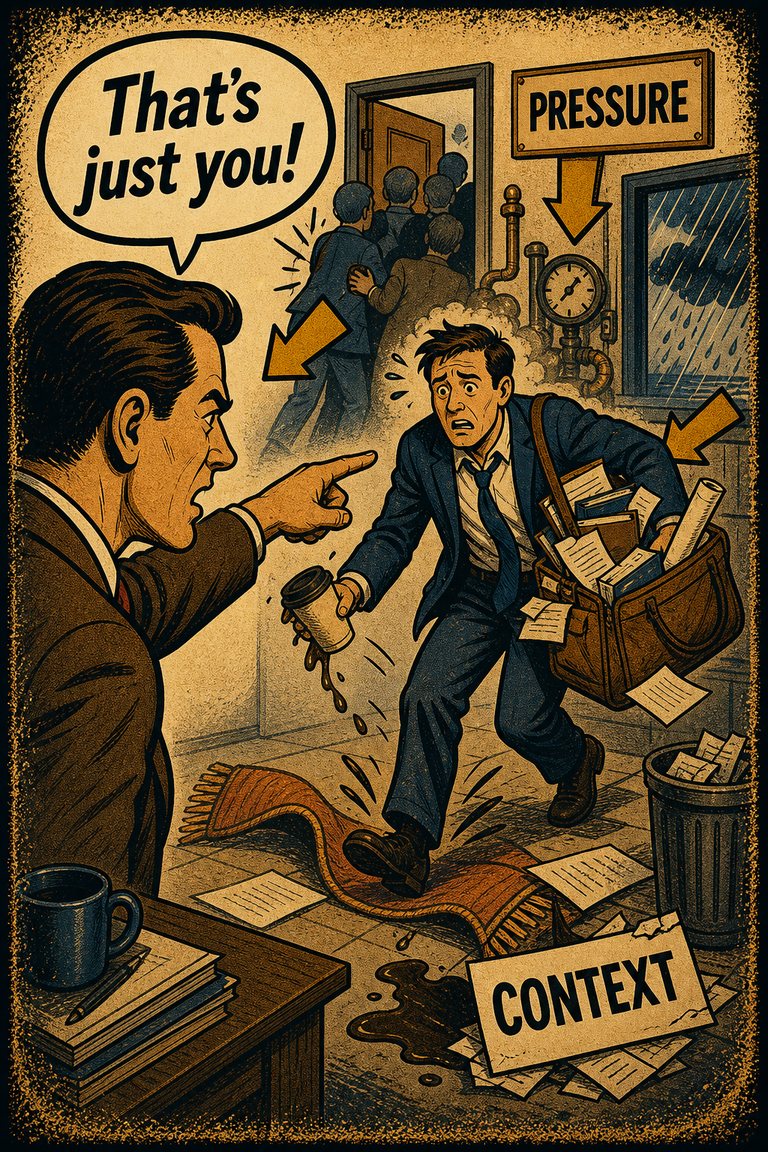
The tendency to explain other people's behavior too quickly in terms of character while underweighting situational pressures and constraints.
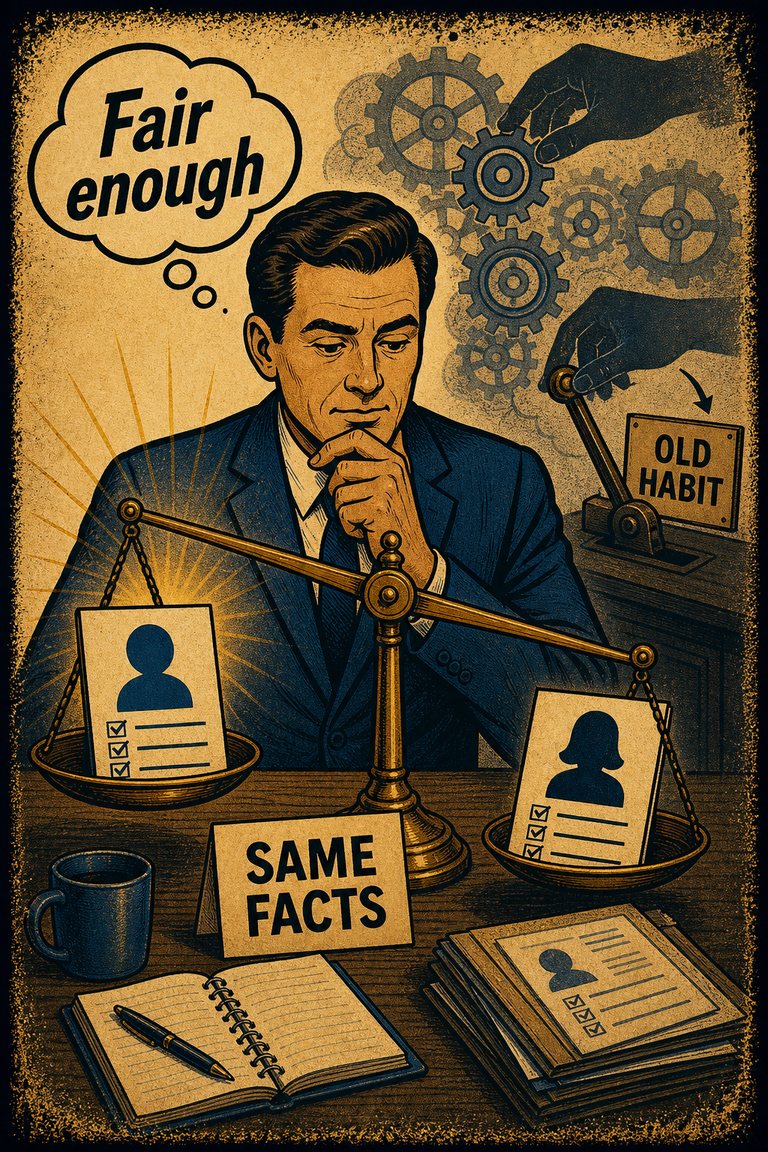
The underlying attitudes and stereotypes that people unconsciously attribute to another person or group of people that affect how they understand and engage with them.
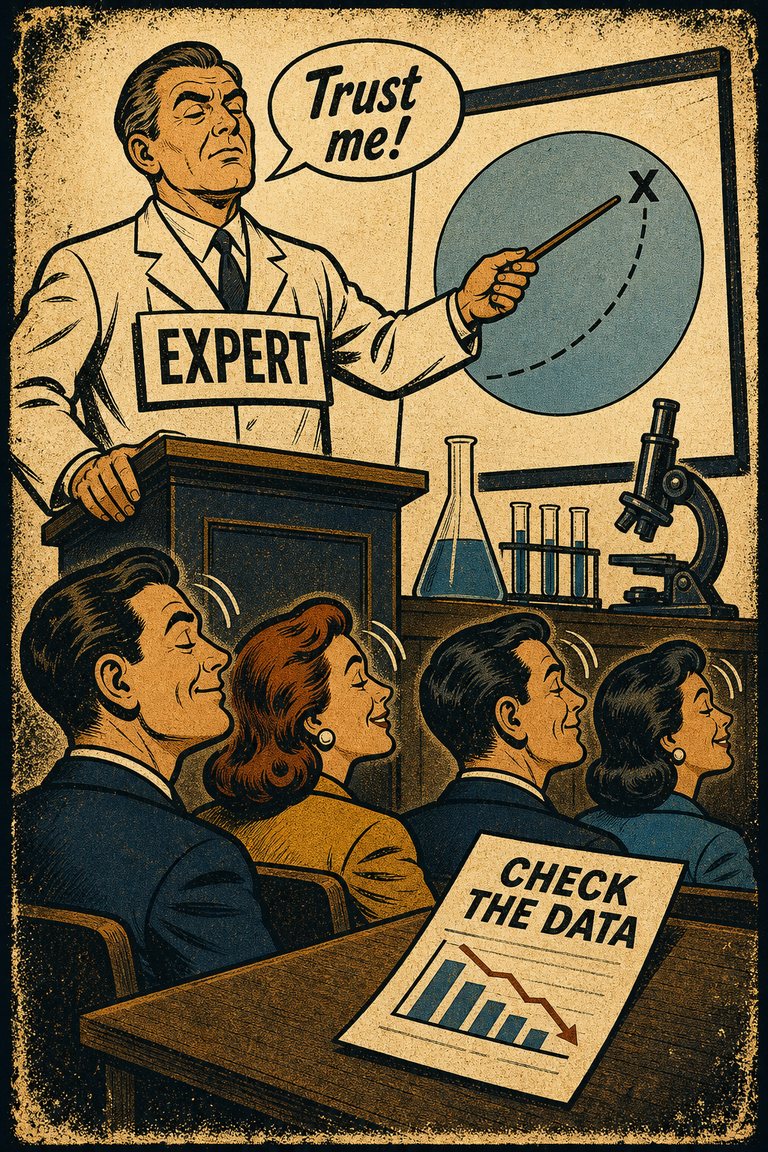
The tendency to give excess weight to the opinion of a high-status or authoritative source independent of whether the source has earned that weight on the specific issue.
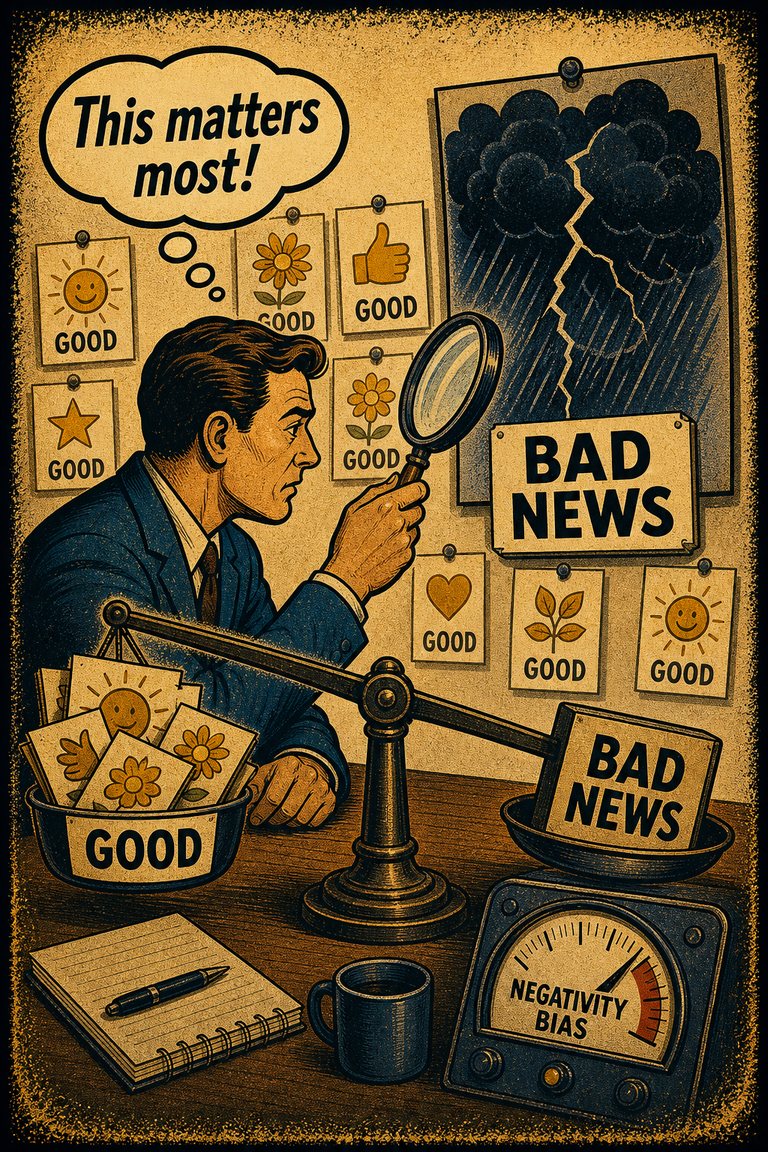
The tendency to give bad news, threats, criticism, and losses more psychological weight than equally sized positives.
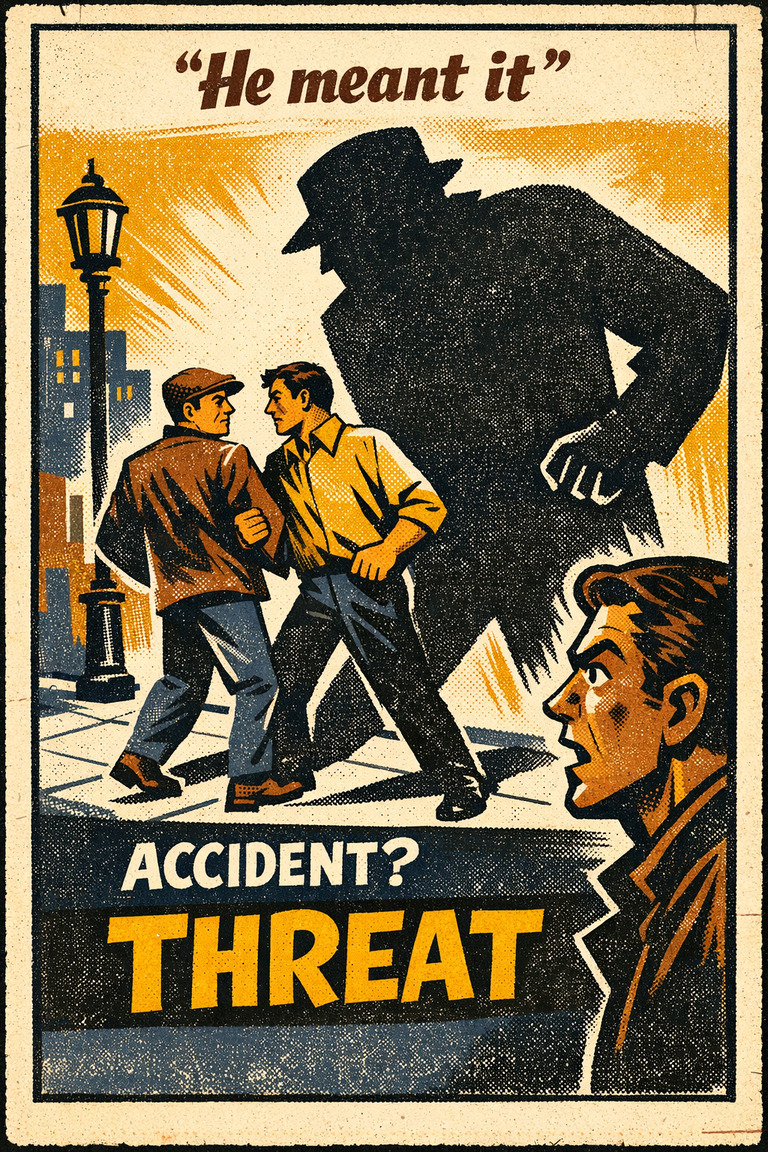
The tendency to read ambiguous behavior as hostile, threatening, or intentionally disrespectful even when the evidence is underdetermined.