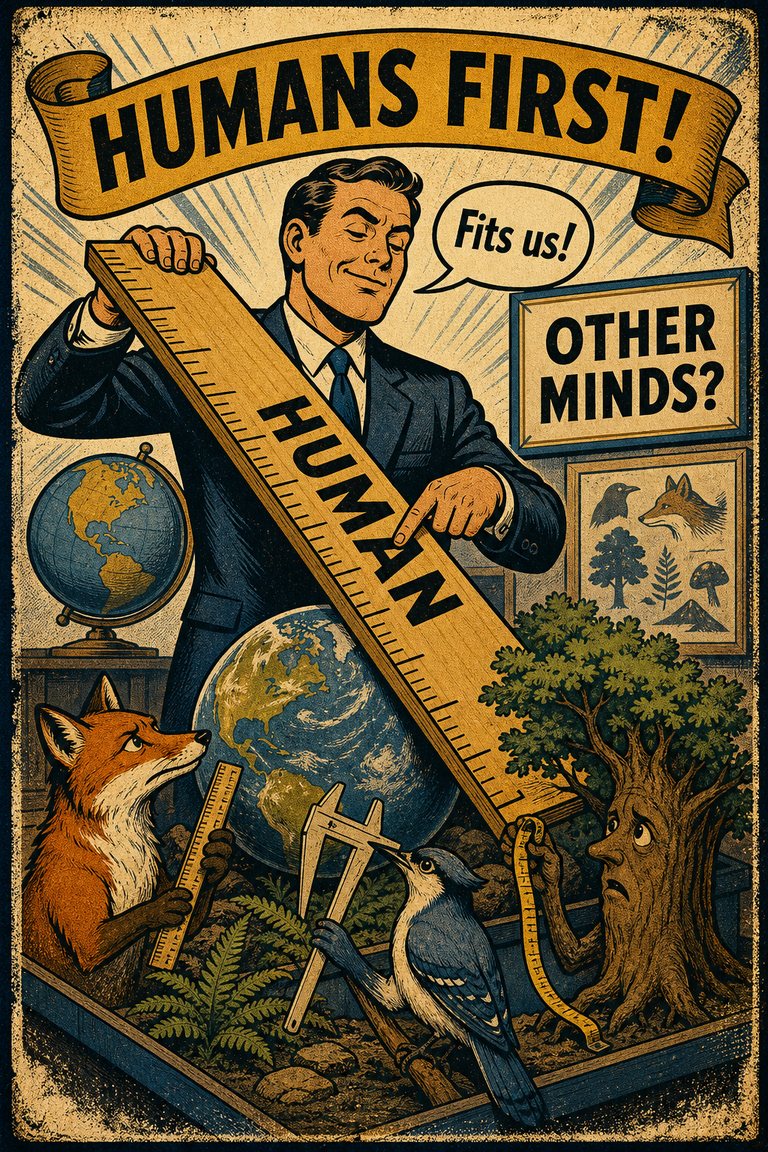
Anthropocentric thinking
The tendency to use human analogies as a basis for reasoning about other, less familiar, biological phenomena.
Opinion ReportingSelf-Perspective

Cognitive Biases
A practical cognitive-bias site with clear definitions, learning paths, assessments, self-audits, and debiasing tools.
Pattern
The bias intensifies when ego, identity, ownership, or asymmetry between self and others enters the picture.
This is the cross-cutting layer that helps the site feel more like a real reference and less like a flat list.
The tendency to use human analogies as a basis for reasoning about other, less familiar, biological phenomena.
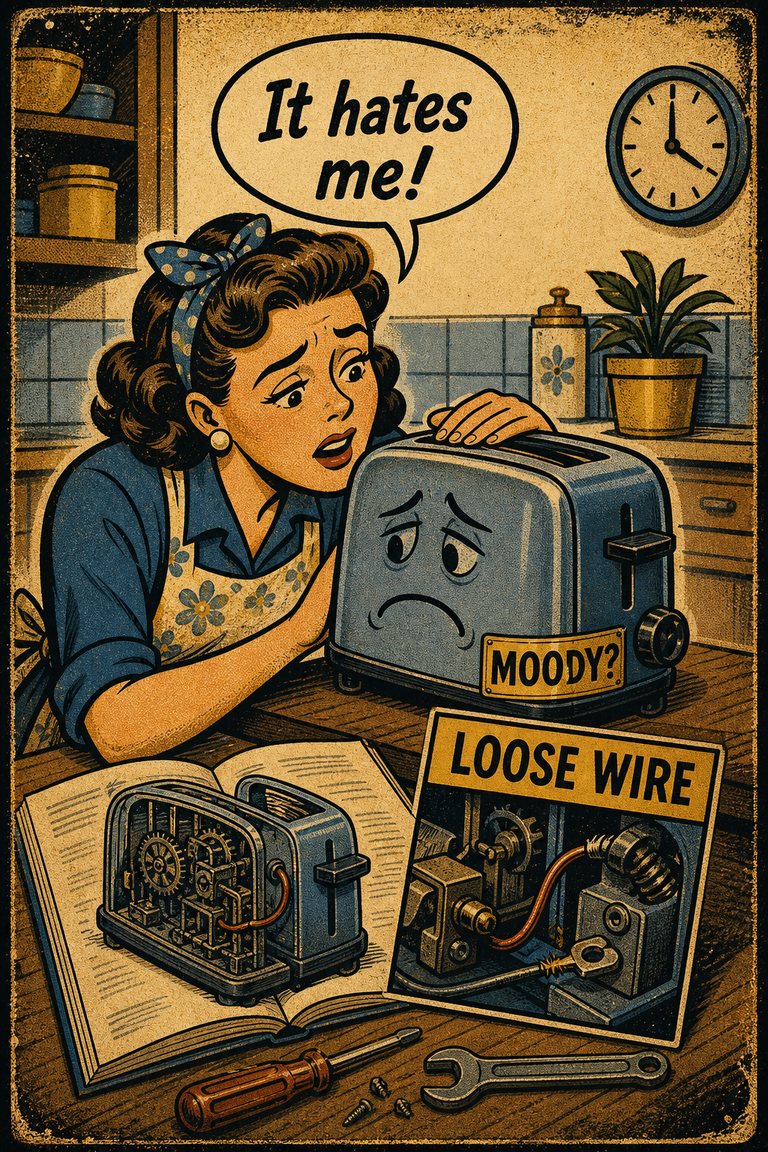
The tendency to treat animals, objects, or abstractions as if they had human thoughts, feelings, or intentions.
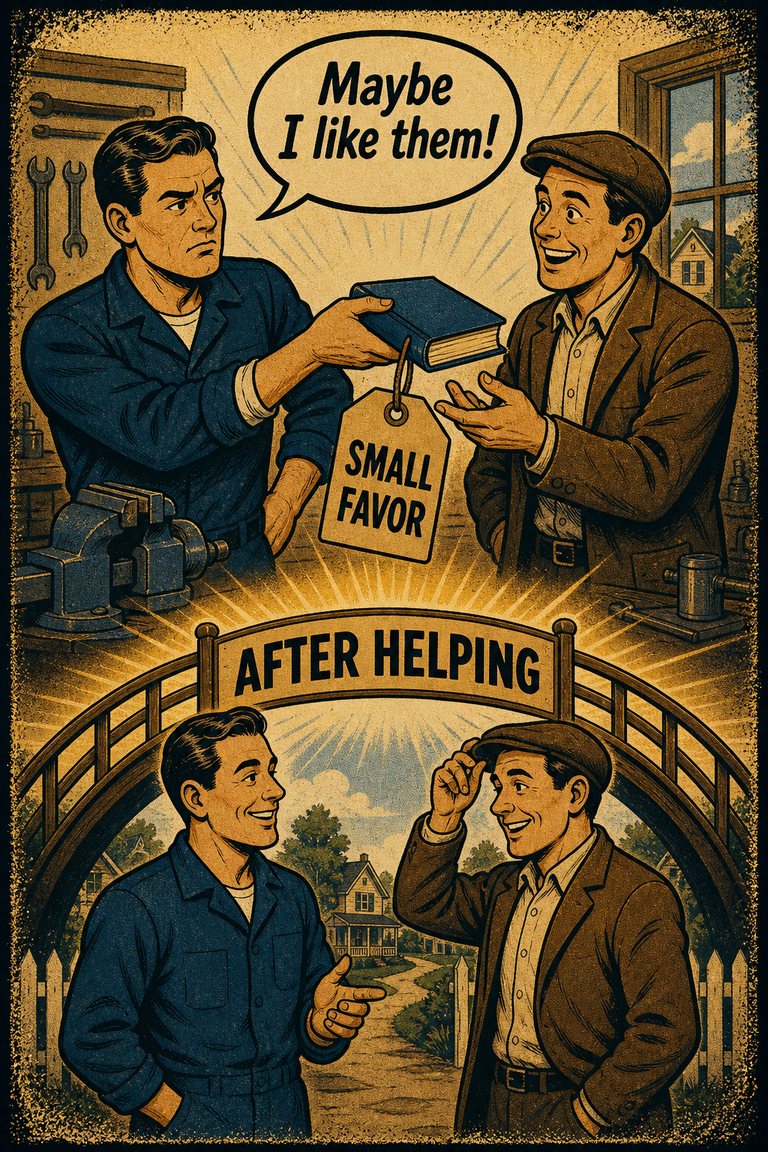
The tendency to like or help someone more after already doing that person a favor.
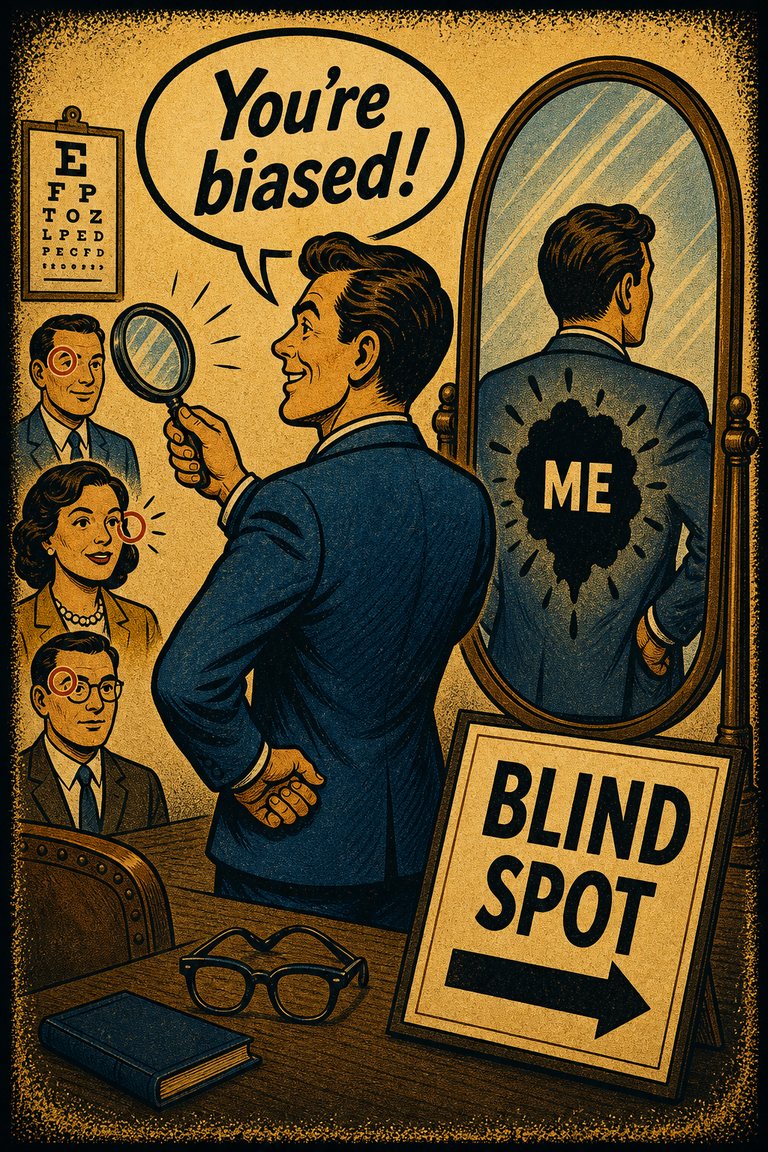
The tendency to see oneself as less biased than other people, or to be able to identify more cognitive biases in others than in oneself.
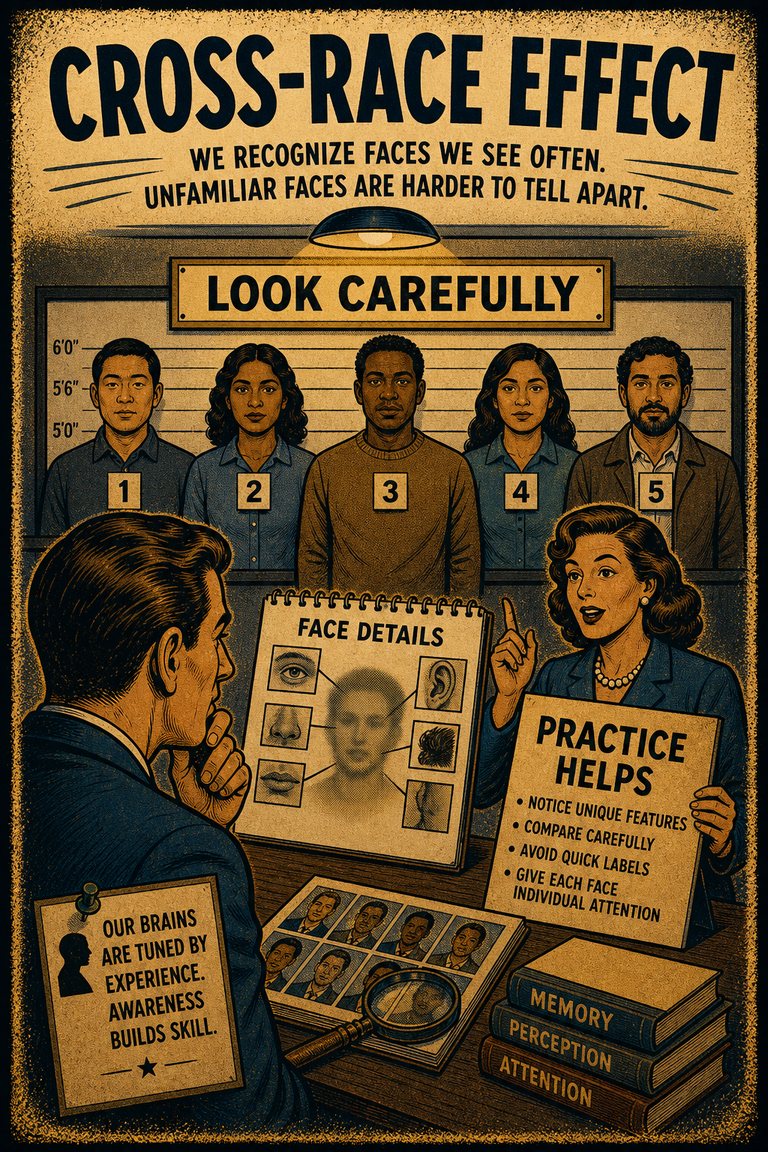
The tendency to distinguish faces of your own race more accurately than faces of other races.
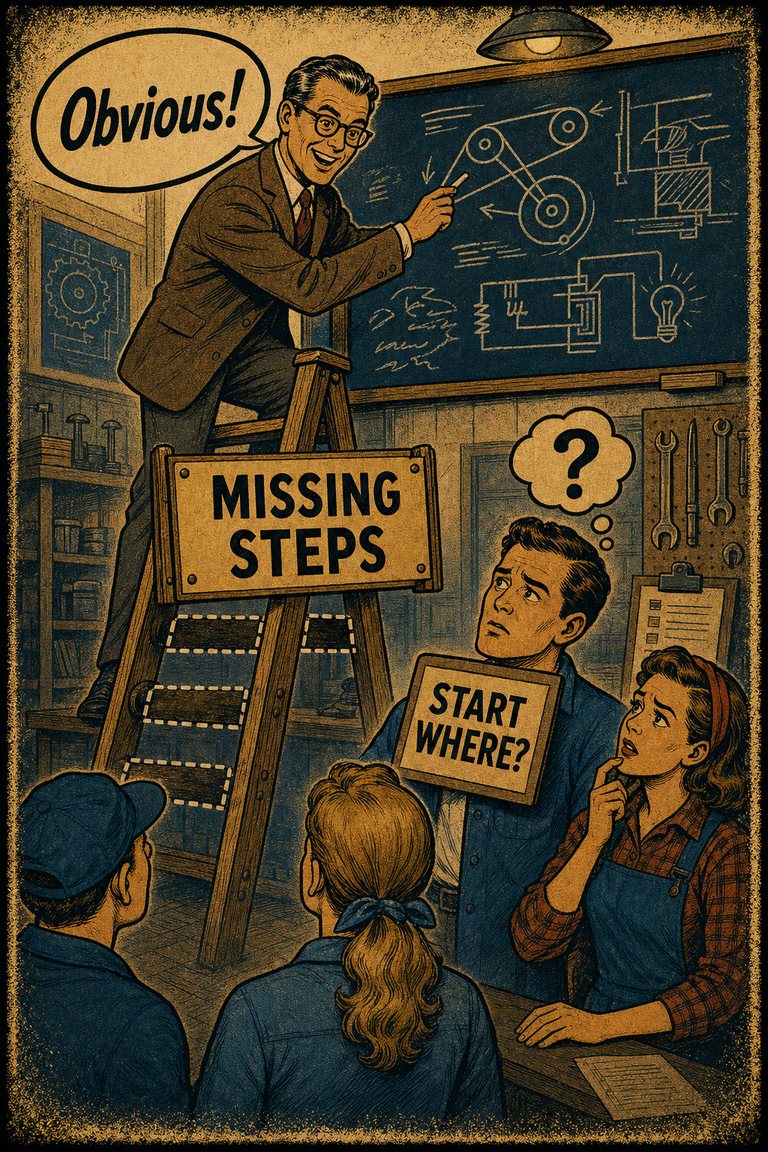
The tendency for better-informed people to underestimate how hard the issue looks to less-informed people.
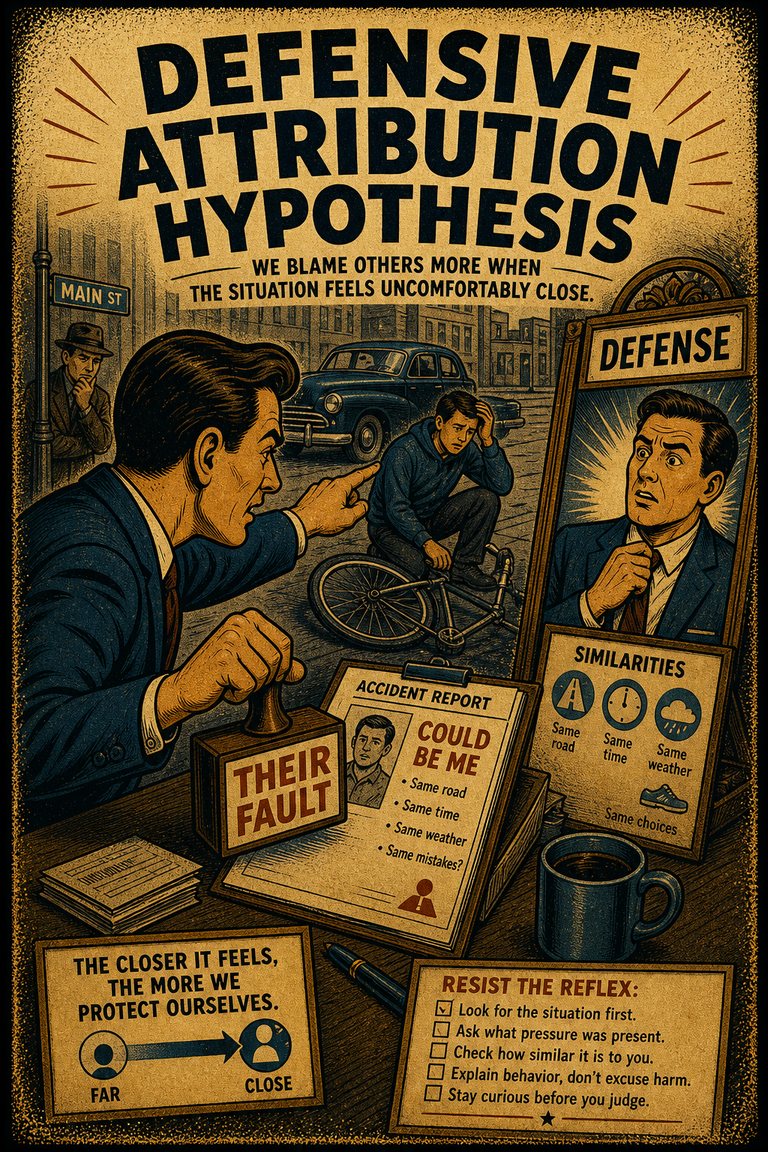
The tendency to attribute more blame for a mishap to the person or persons involved if they are perceived as dissimilar to the person making that judgment.

The tendency to attribute greater value to an outcome if they had to put effort into achieving it.

The tendency to remember the past in self-serving ways and overweight one's own perspective.

The tendency for researchers' expectations to shape what data they notice, trust, publish, or discount.

An exception to the fundamental attribution error, where people view others as having extrinsic motivations, while viewing themselves as having intrinsic motivations.
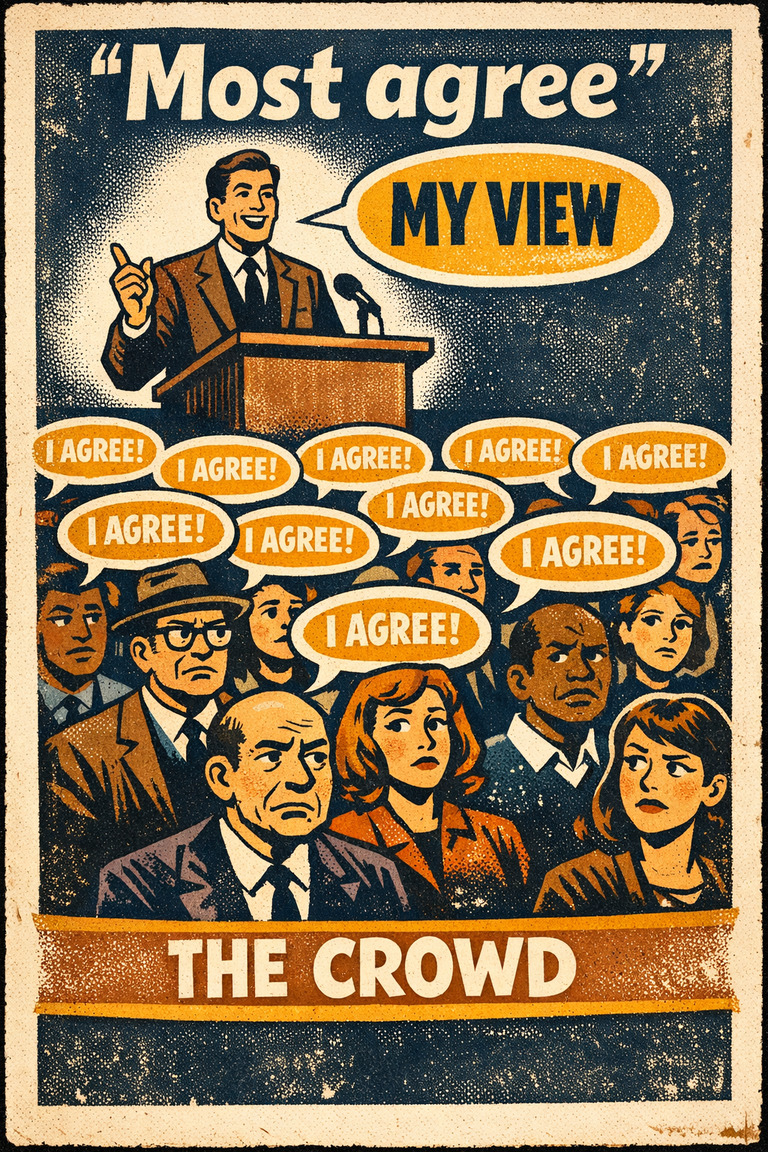
The tendency to overestimate how many other people share one's own beliefs, preferences, habits, or reactions.

The tendency of people to see their projects and themselves as more singular than they actually are.
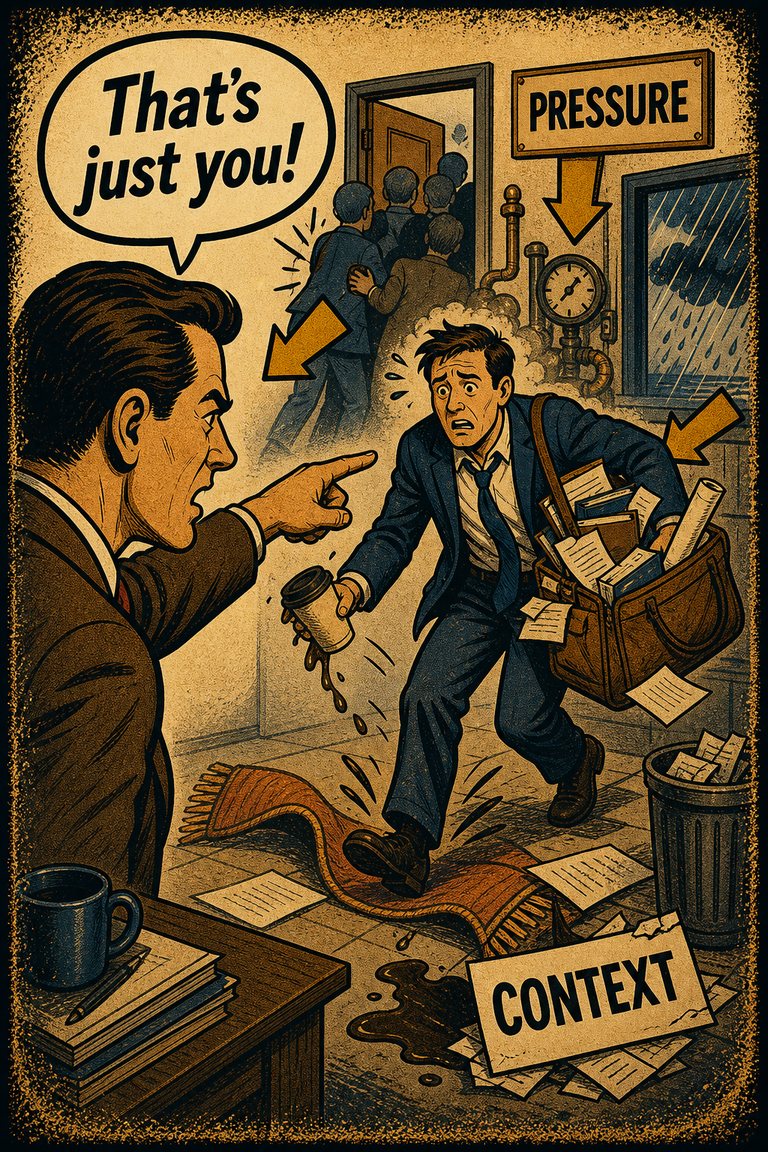
The tendency to explain other people's behavior too quickly in terms of character while underweighting situational pressures and constraints.

The tendency for witnesses to remember more detail about someone of the same gender under some conditions.

The tendency to remember self-generated information better than information supplied by others.
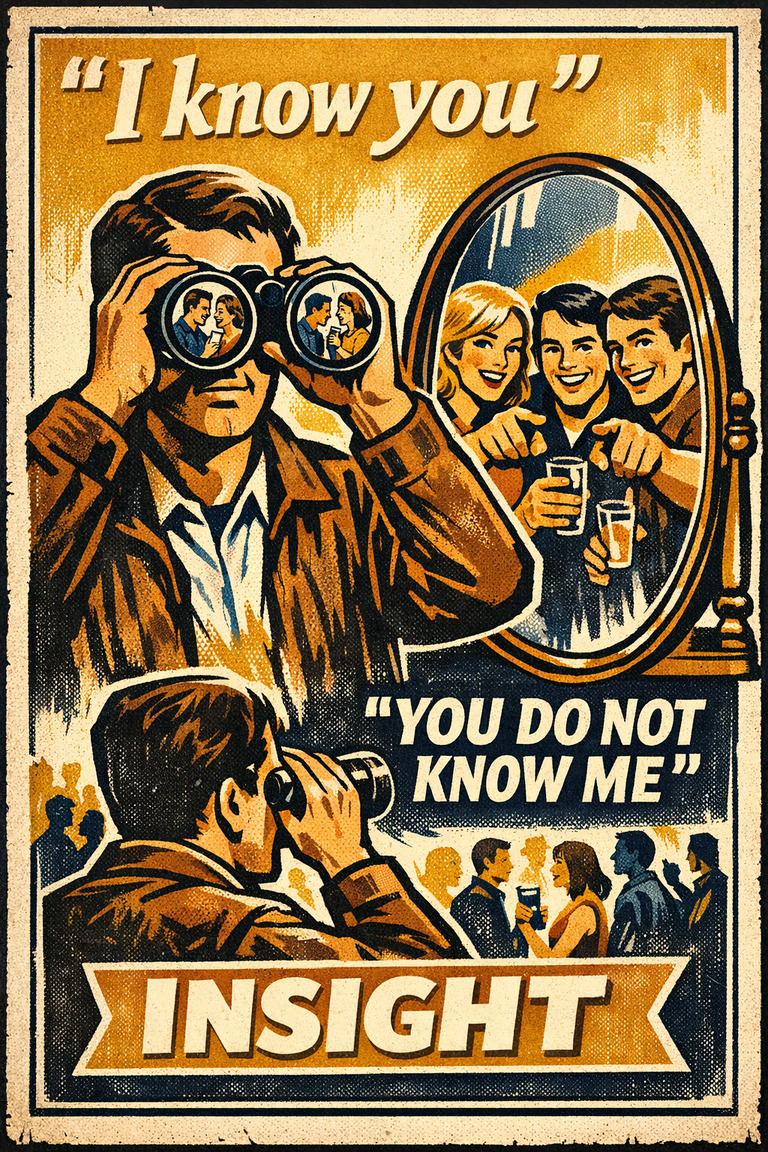
The tendency to think one understands others better than they understand oneself.
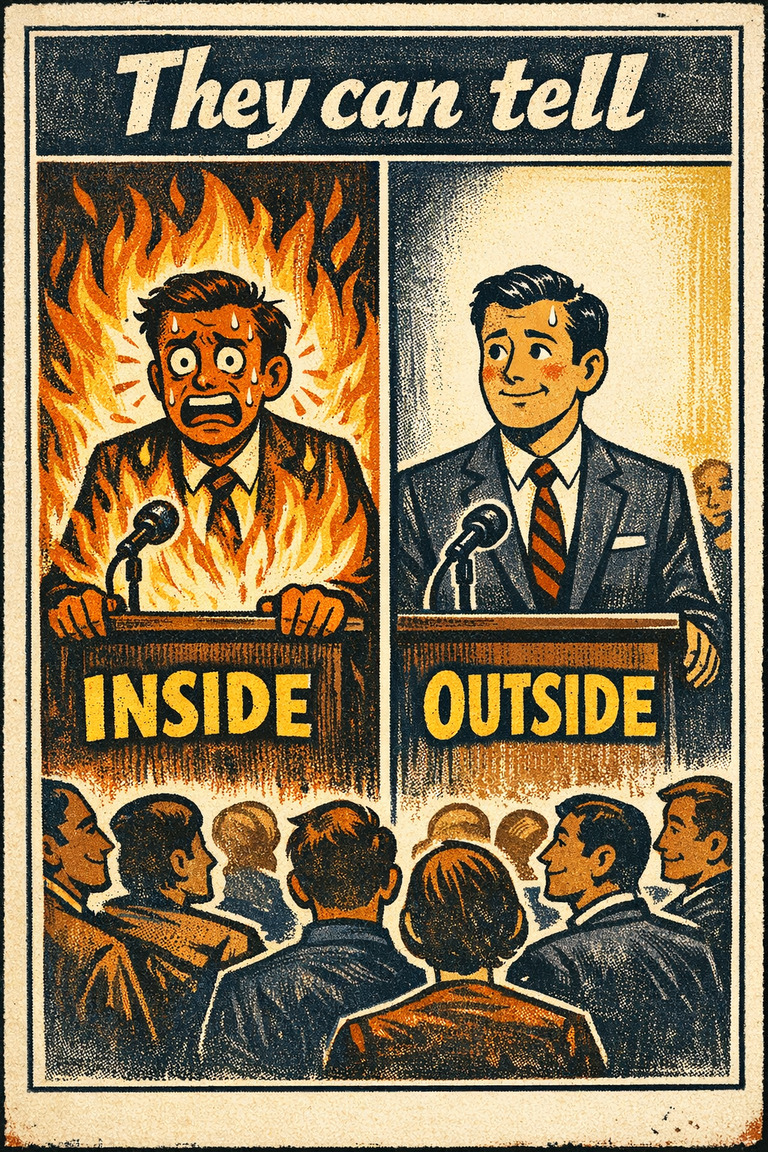
The tendency to overestimate how visible one's thoughts, feelings, or intentions are to others.
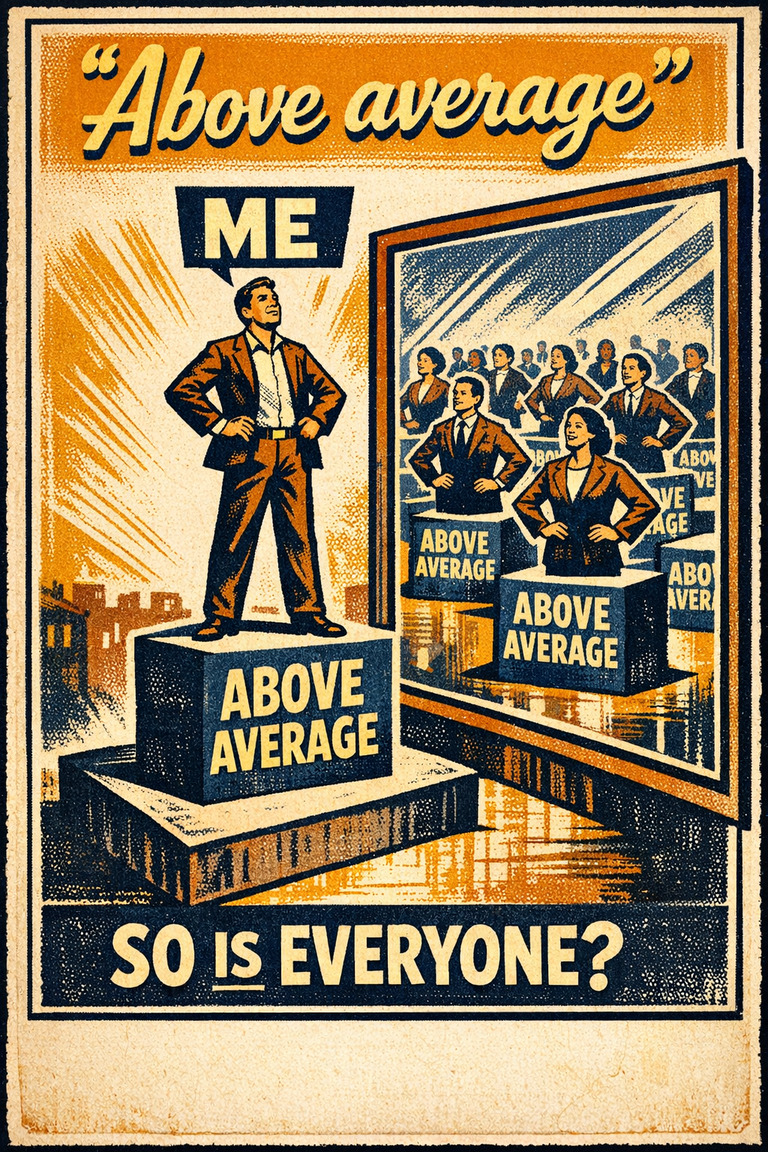
The tendency to overestimate one's desirable qualities, and underestimate undesirable qualities, relative to other people.

The tendency to doubt one's competence and fear being exposed as a fraud despite evidence of ability.
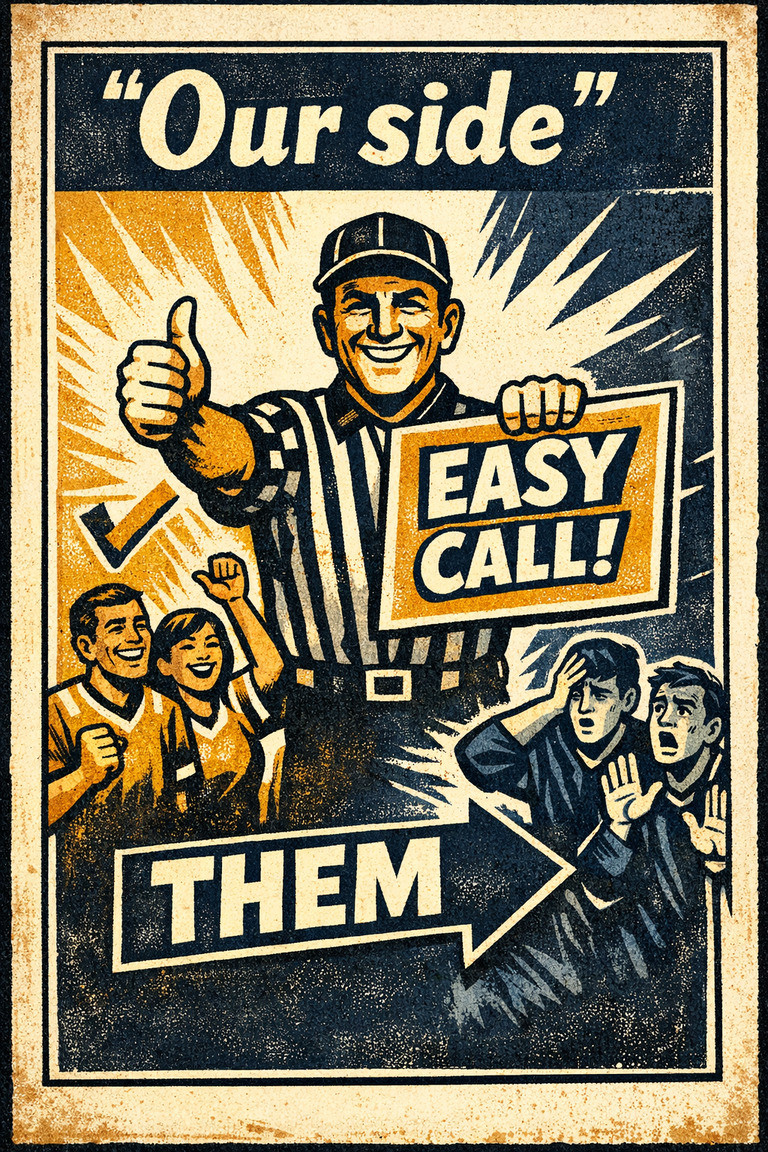
The tendency to favor, trust, defend, or positively interpret people and claims associated with one's own group more readily than comparable outsiders.

An over-reliance on a familiar tool or methods, ignoring or under-valuing alternative approaches.

The tendency to use reasoning as a defense lawyer for desired conclusions rather than as an impartial search for what is most likely true.
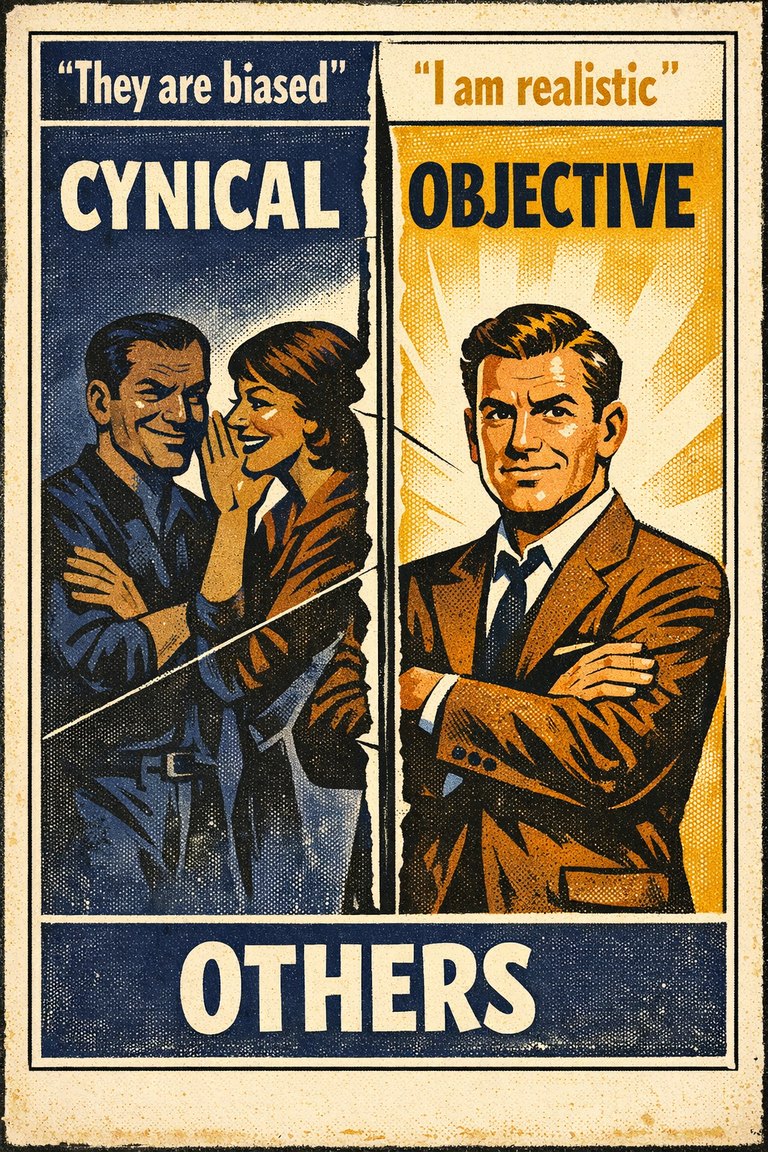
The tendency to expect more egocentric bias in others than in oneself.
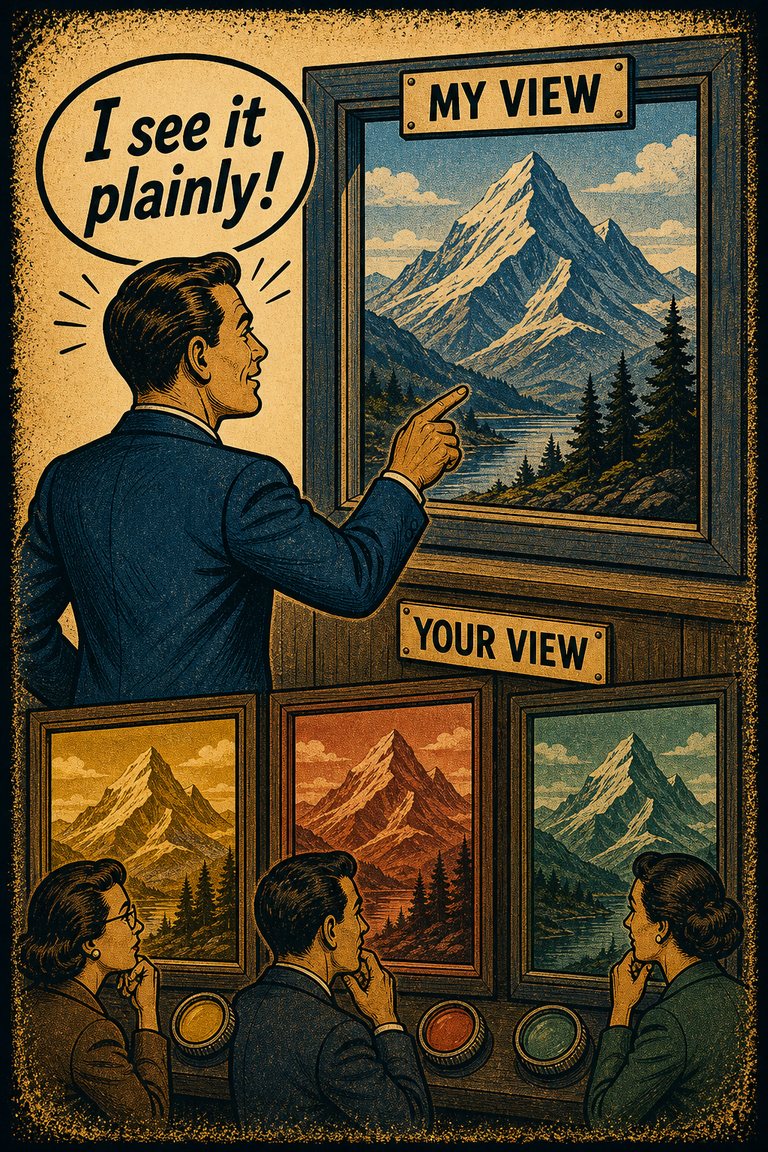
The tendency to see one's own view as plain reality and disagreement as ignorance, bias, or irrationality.
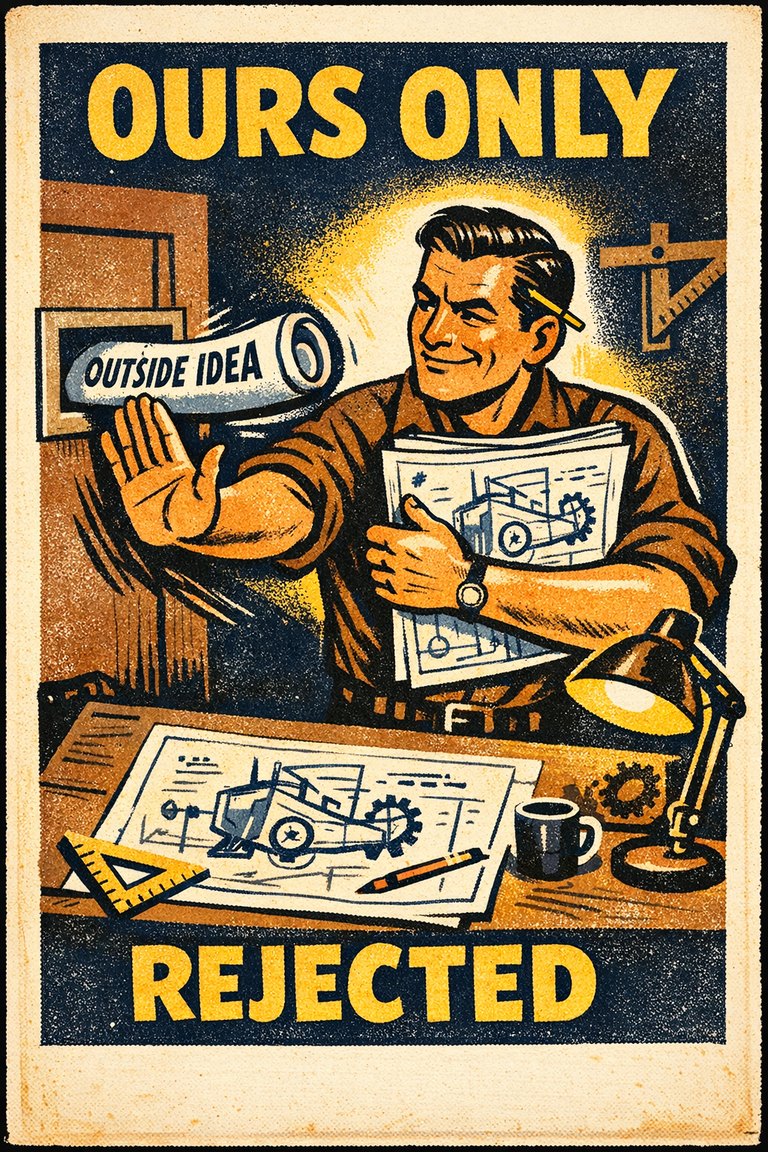
An aversion to contact with or use of products, research, standards, or knowledge developed outside a group.

The phenomena where people tend to believe that they are more objective and unbiased than others.
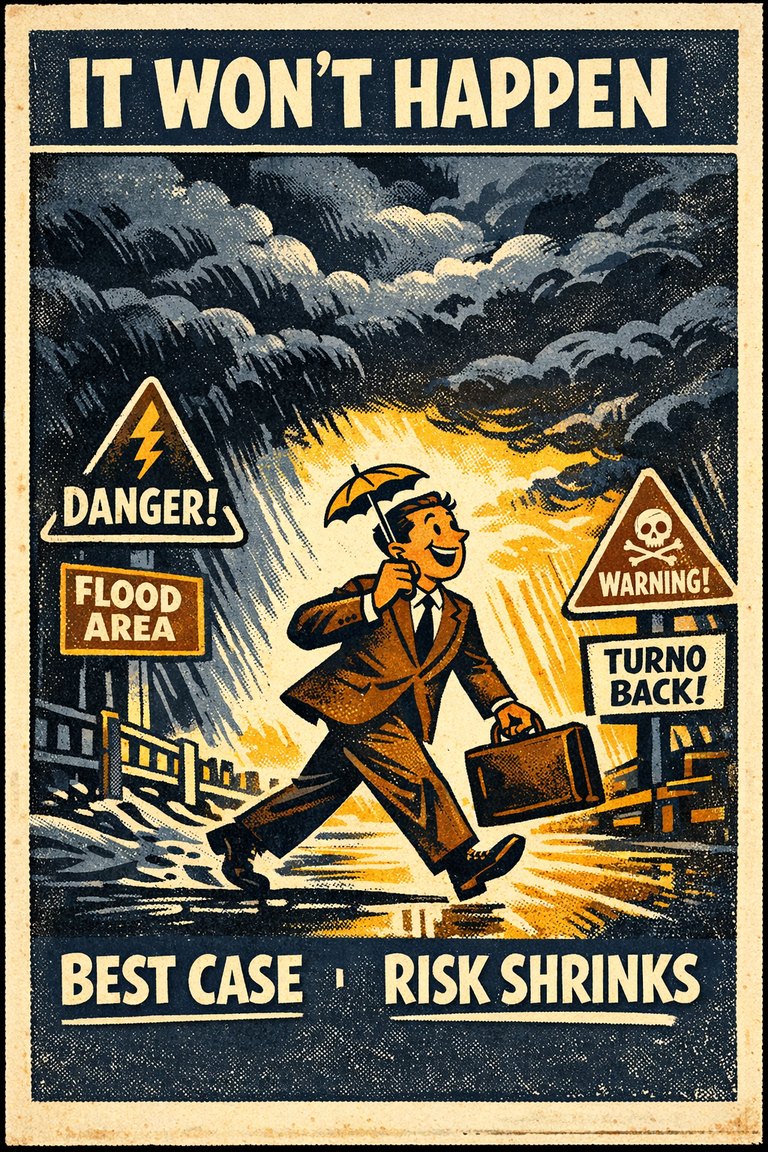
The tendency to overestimate favorable outcomes and underestimate the probability or impact of unfavorable ones, especially for oneself or one's own plans.
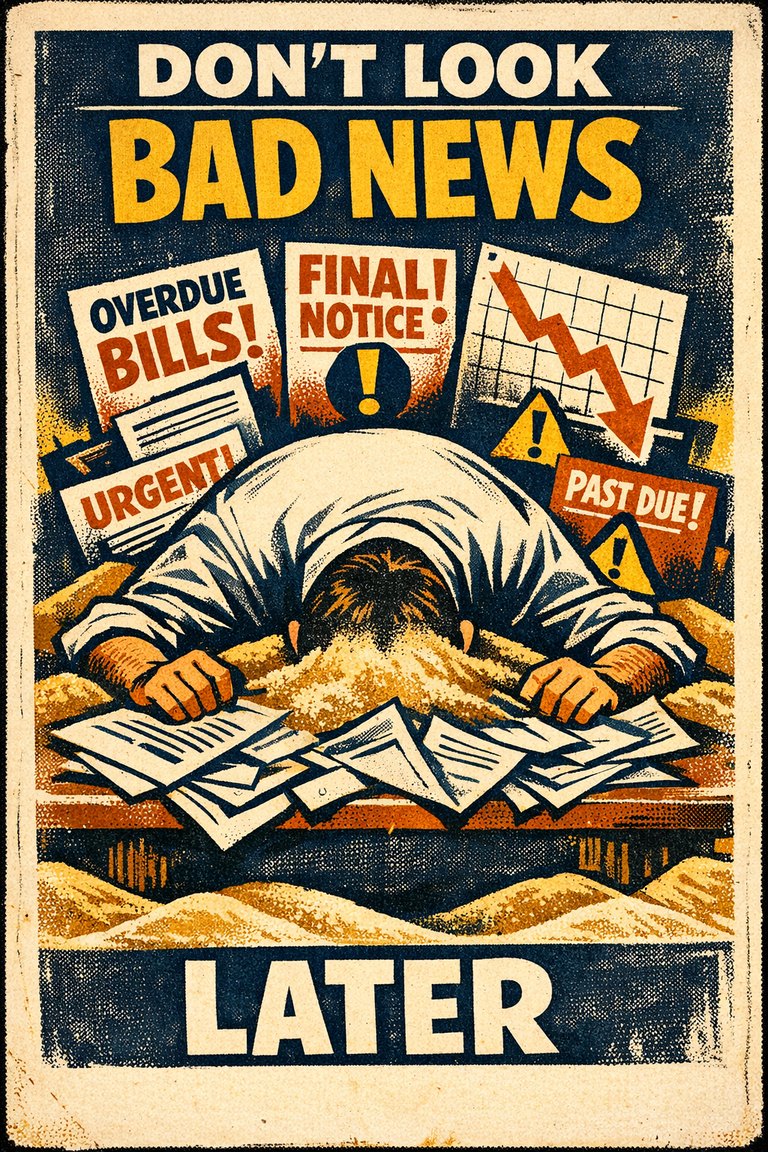
The tendency to avoid acknowledgment of an obviously bad situation to avoid the bad feelings that may come with acknowledgment of the situation.
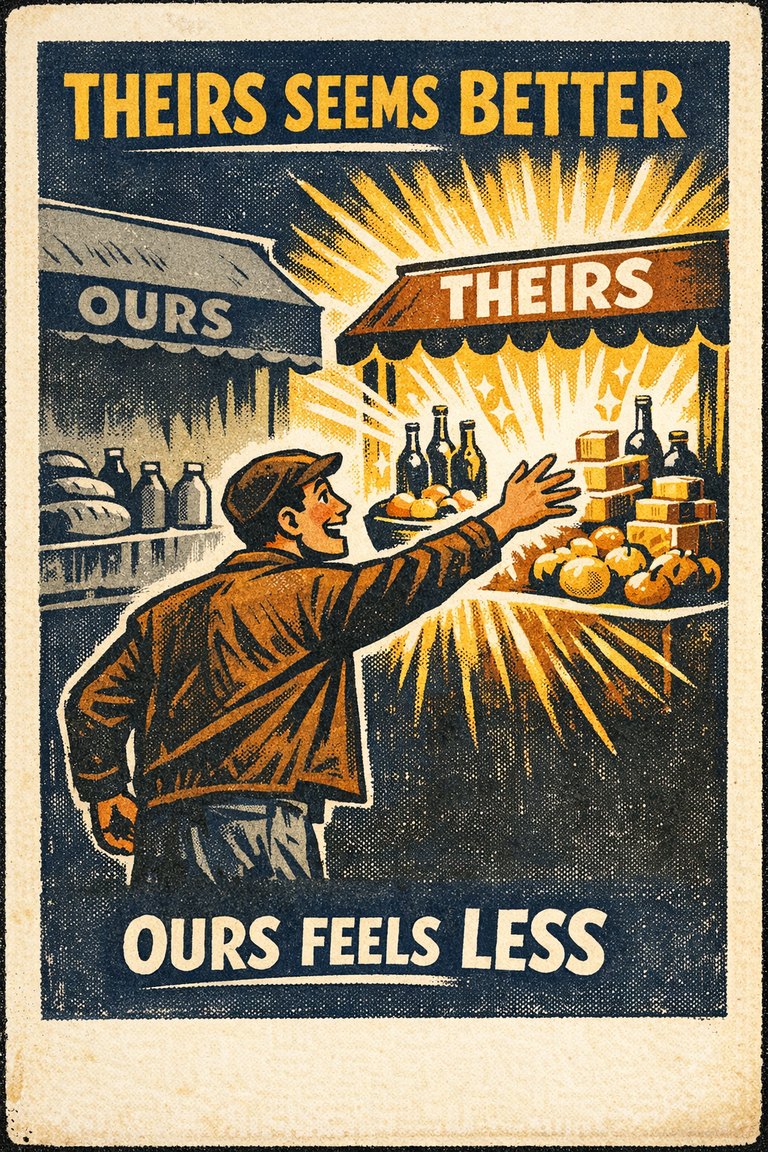
The tendency for some disadvantaged groups to evaluate outside groups more favorably than their own.
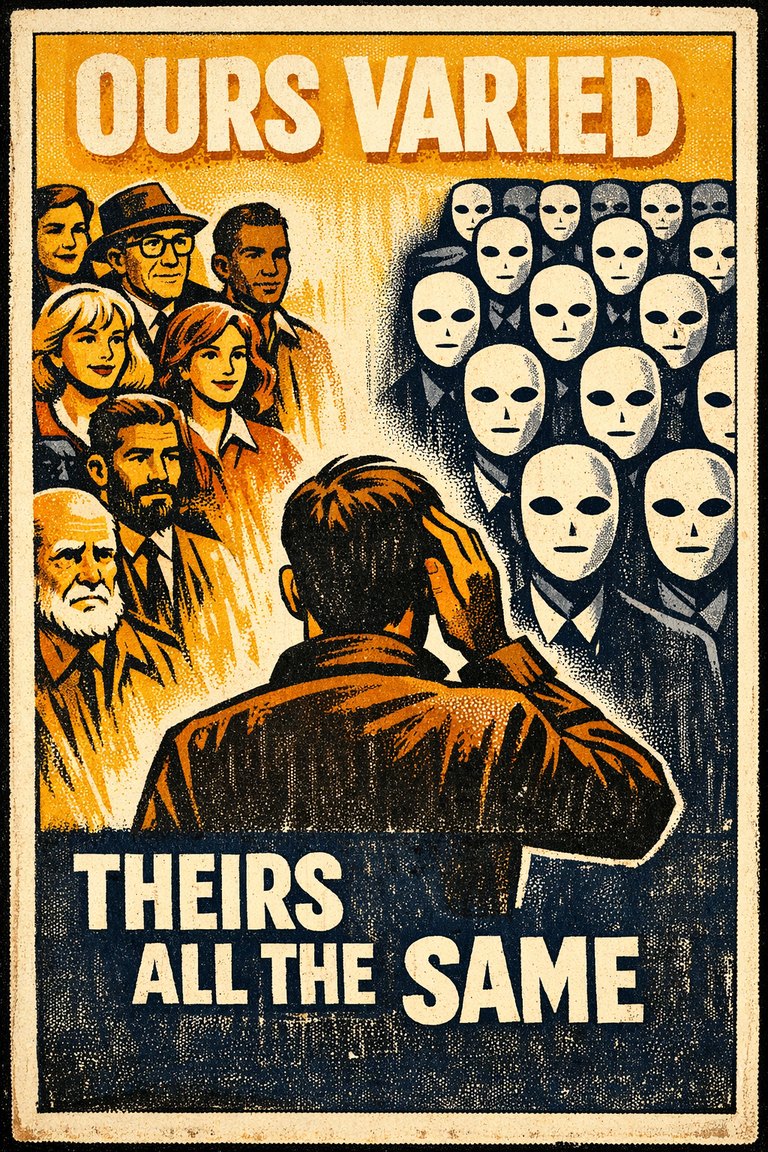
The tendency to see members of other groups as more alike than members of one's own group.
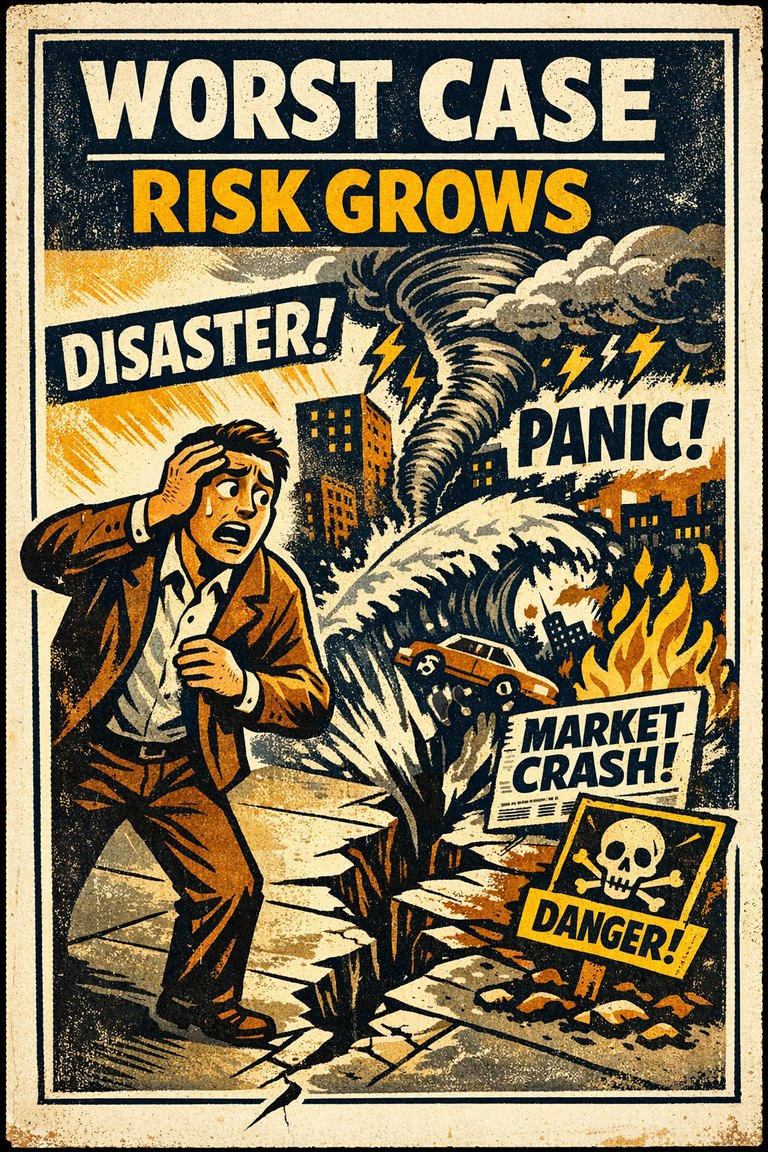
The tendency to overestimate the likelihood that bad things will happen.
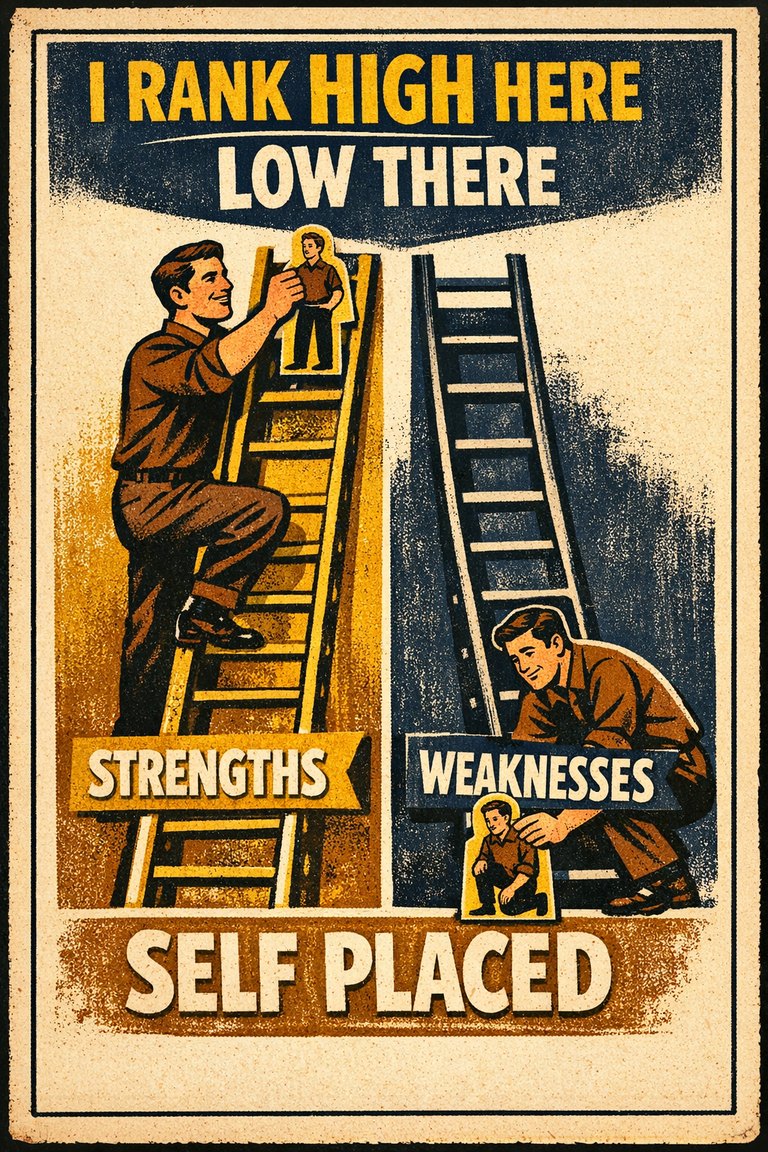
The tendency to remember oneself as above average at strengths and below average at weaknesses.
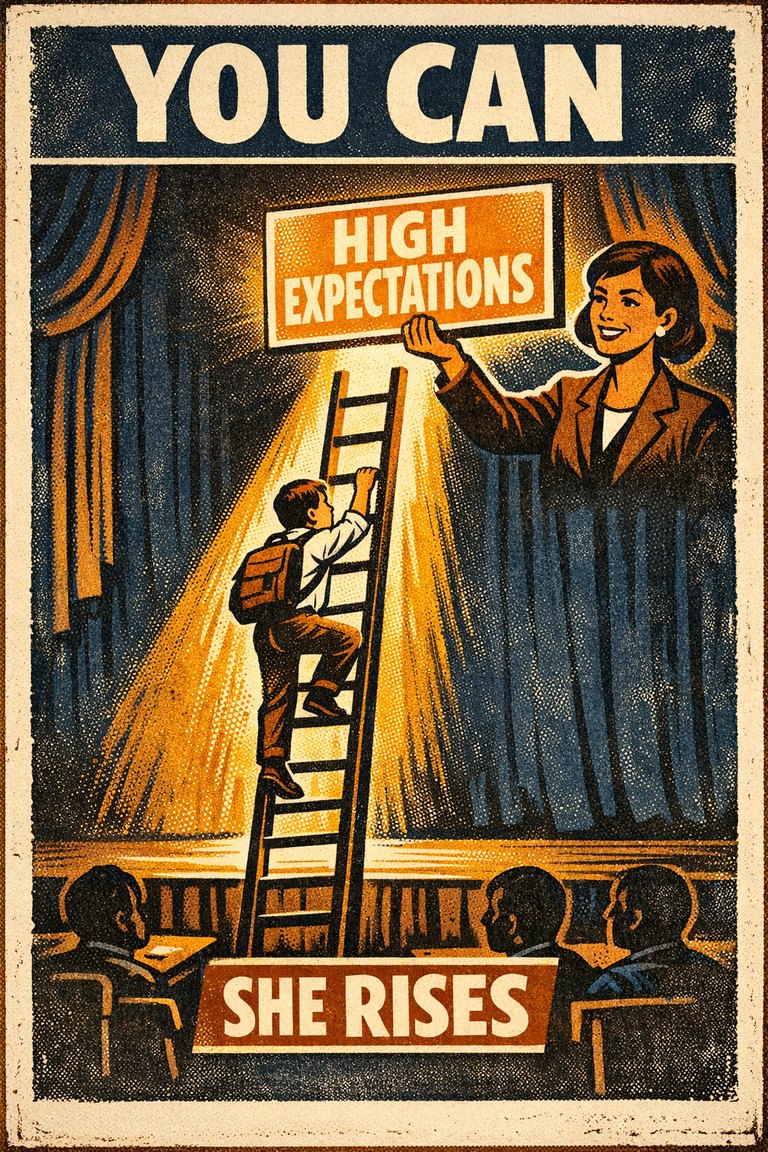
The phenomenon whereby others' expectations of a target person affect the target person's performance.

Devaluing proposals only because they purportedly originated with an adversary.
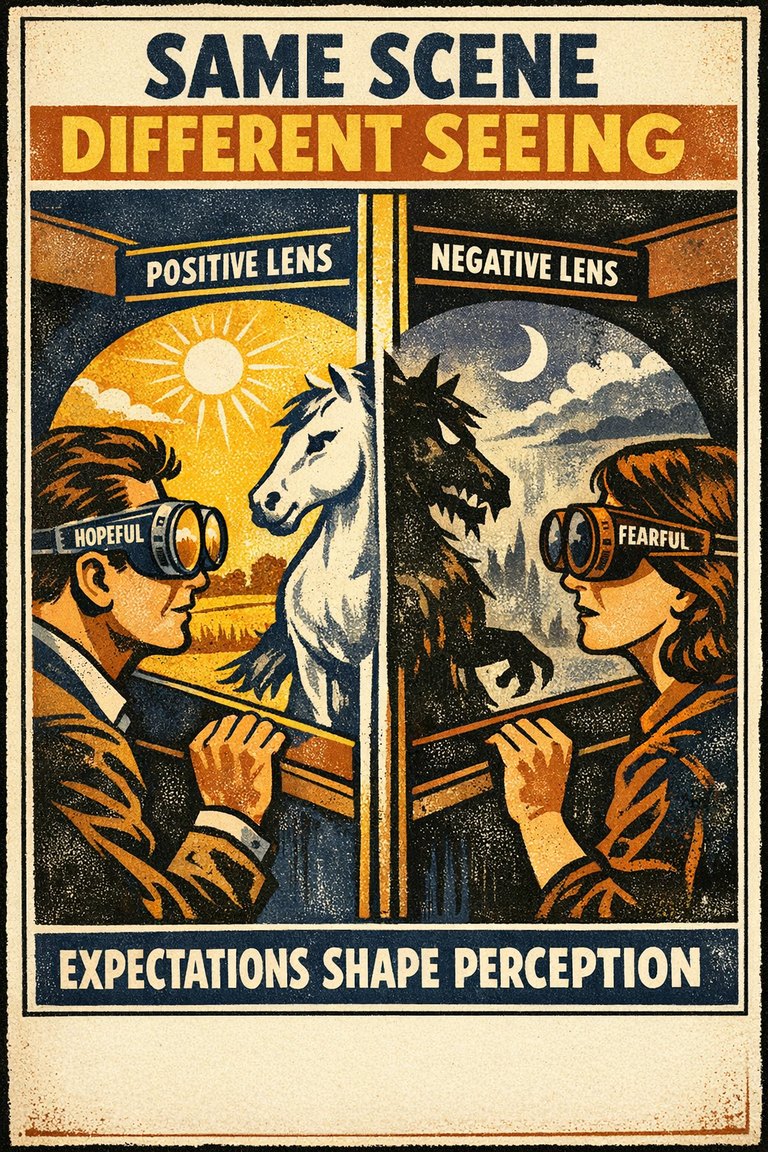
The tendency for expectations or prior beliefs to shape what one notices or perceives.
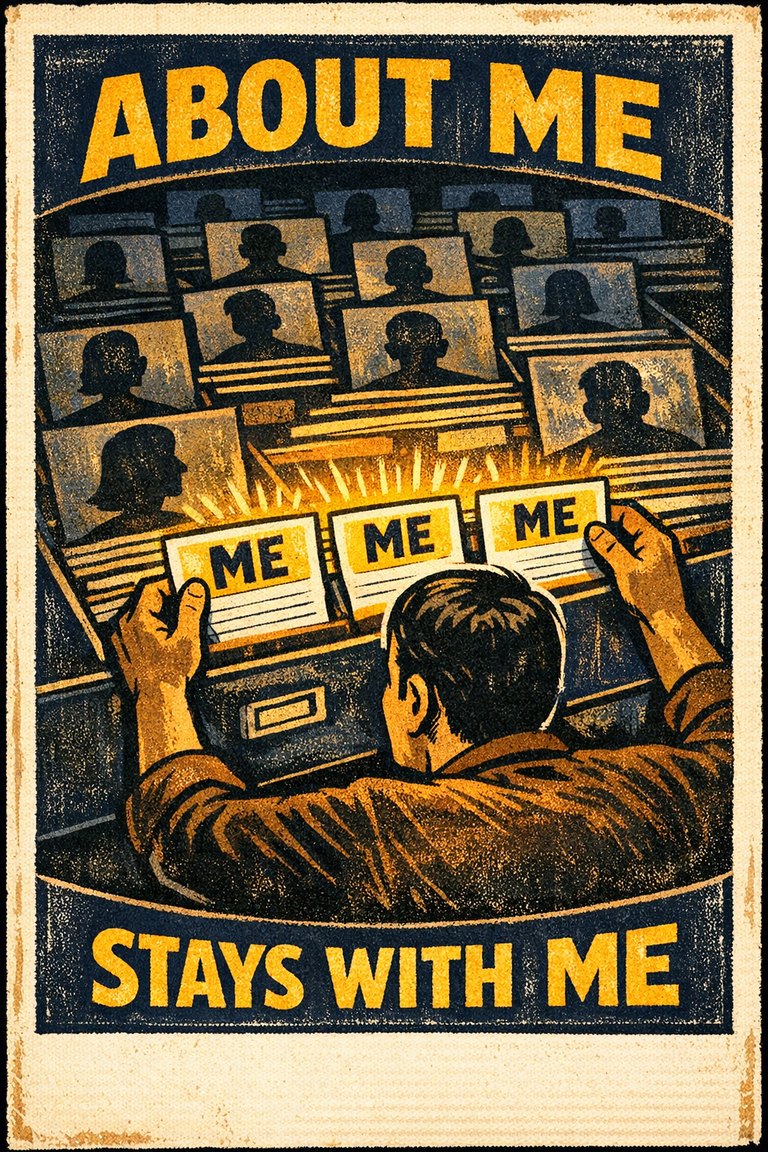
The tendency to remember information better when it is connected to oneself.

The tendency to take disproportionate credit for successes while locating failures in bad luck, unfair circumstances, or other people.

The tendency when making decisions, to favour potential candidates who do not compete with one's own particular strengths.
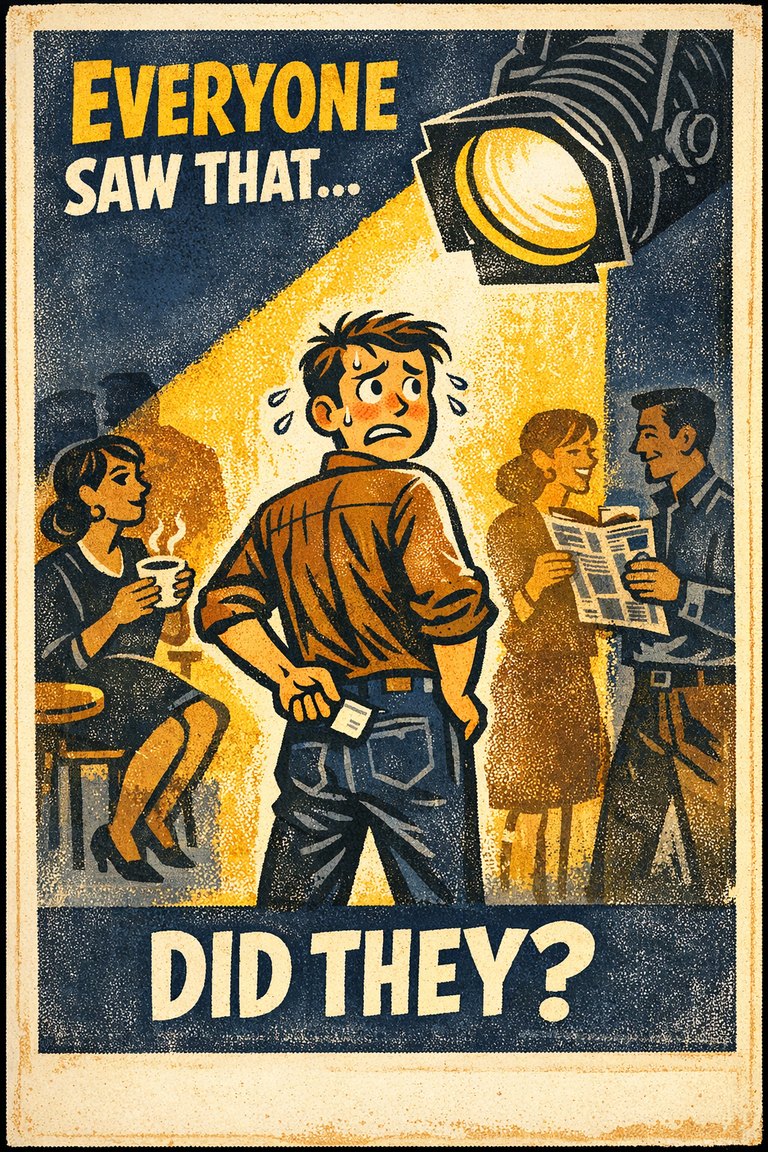
The tendency to overestimate how much other people notice, remember, or care about one's appearance, mistakes, or behavior.
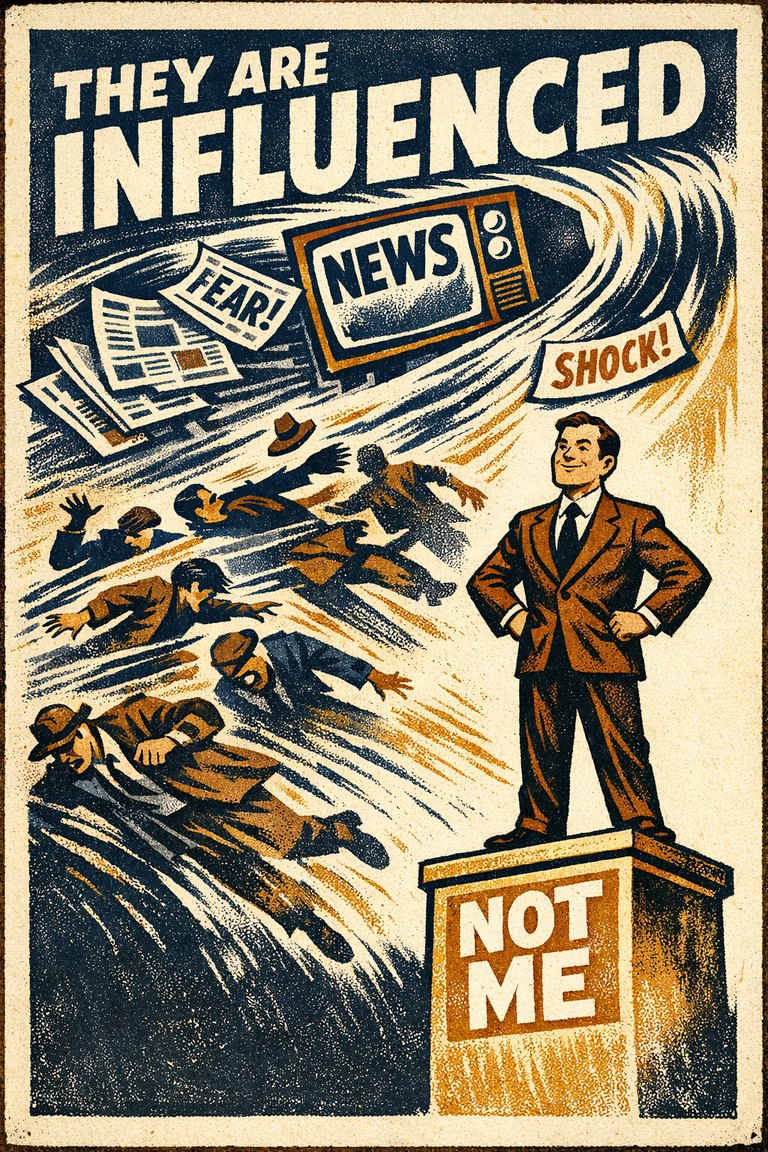
The tendency to believe that mass-communicated media messages have a greater effect on others than on themselves.
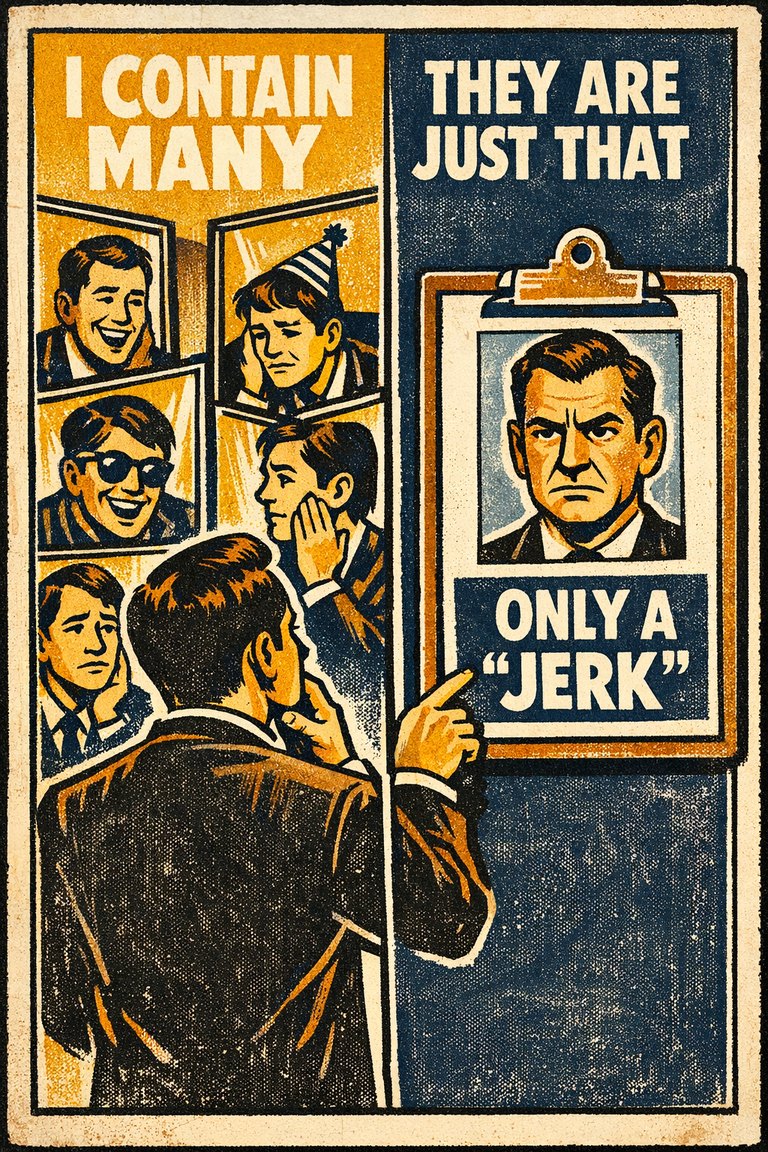
The tendency for people to view themselves as relatively variable in terms of personality, behavior, and mood while viewing others as much more predictable.

The tendency to explain whole outgroups in dispositional terms while excusing ingroup members more situationally.
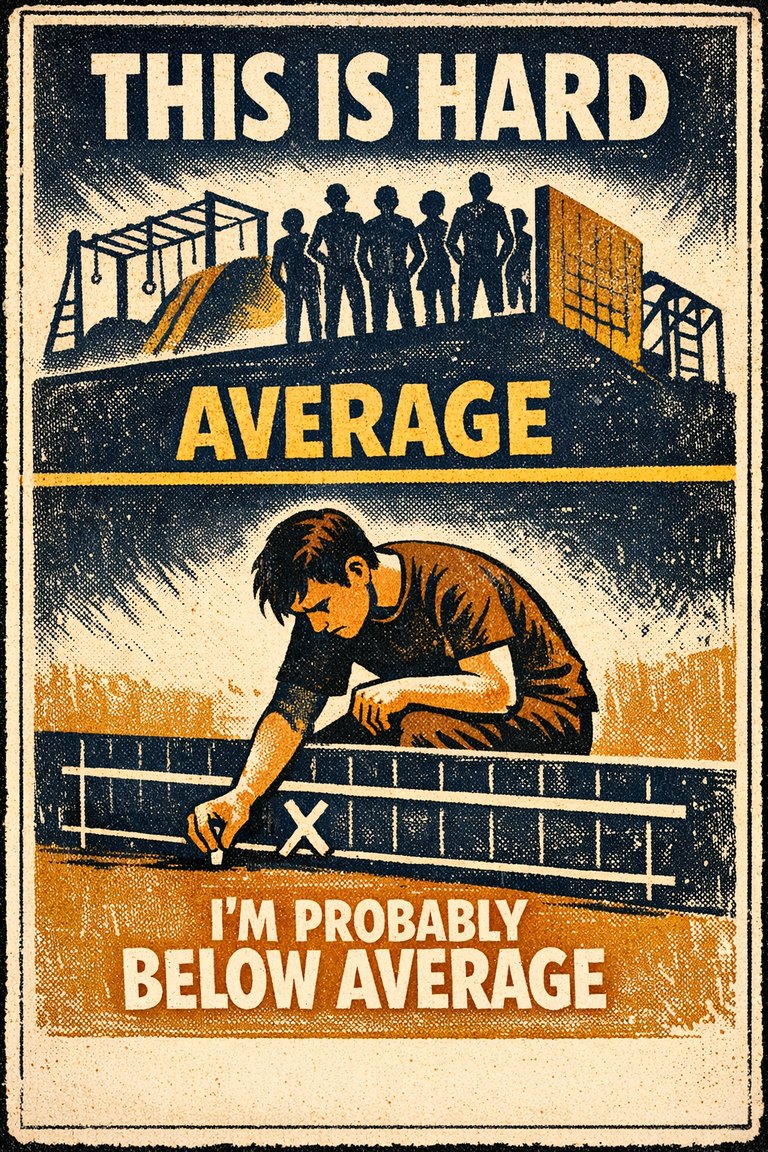
The tendency to believe ourselves to be worse than others at tasks which are difficult.
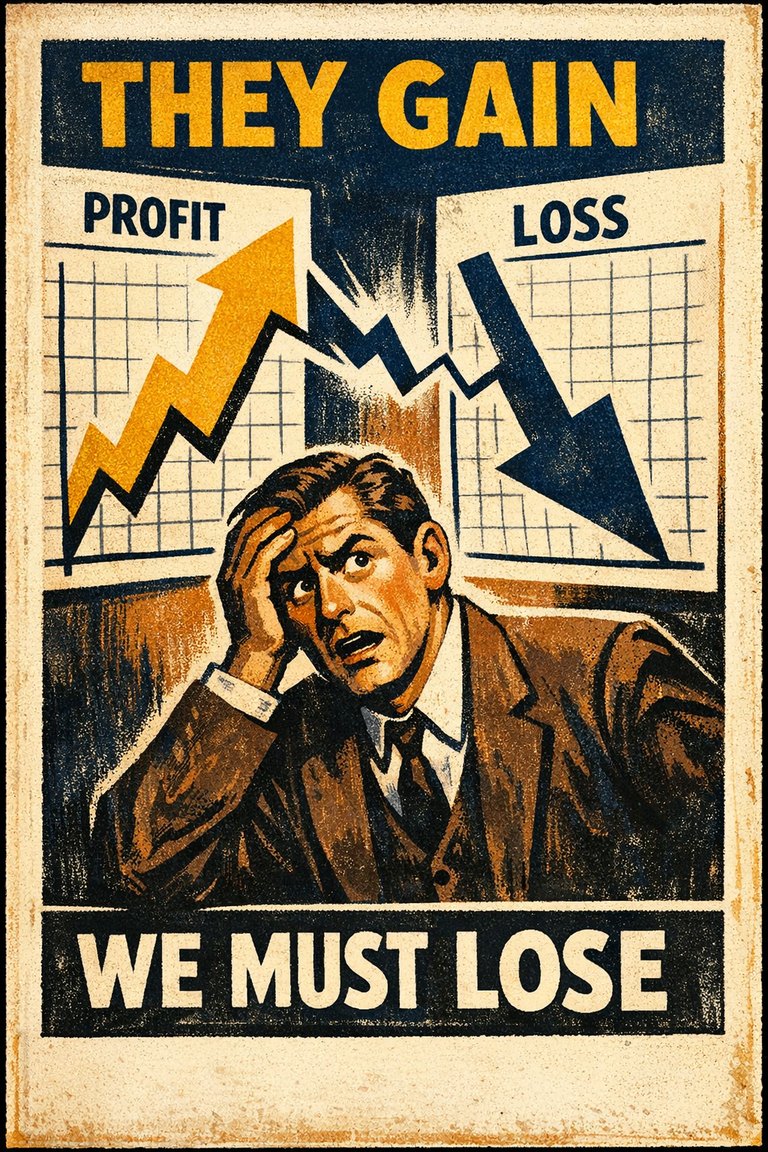
The tendency to see situations as zero-sum even when gains for one need not mean losses for another.