
Attentional bias
The tendency of perception to be affected by recurring thoughts.
RecallInertia

Cognitive Biases
A practical cognitive-bias site with clear definitions, learning paths, assessments, self-audits, and debiasing tools.
Category
This group reshapes memory, retrieval, salience, and retrospective interpretation.
Use these side by side before deciding which label best fits the judgment failure you are seeing.
The tendency of perception to be affected by recurring thoughts.
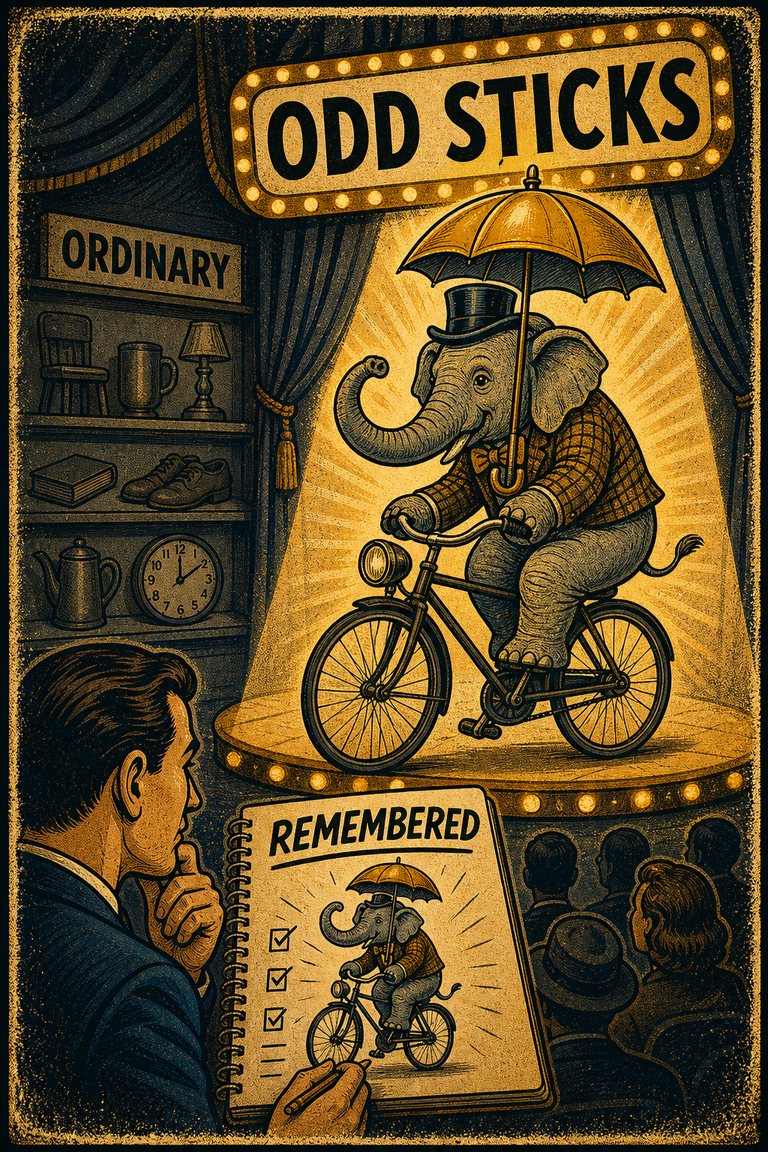
The tendency to remember bizarre or unusual material better than ordinary material.
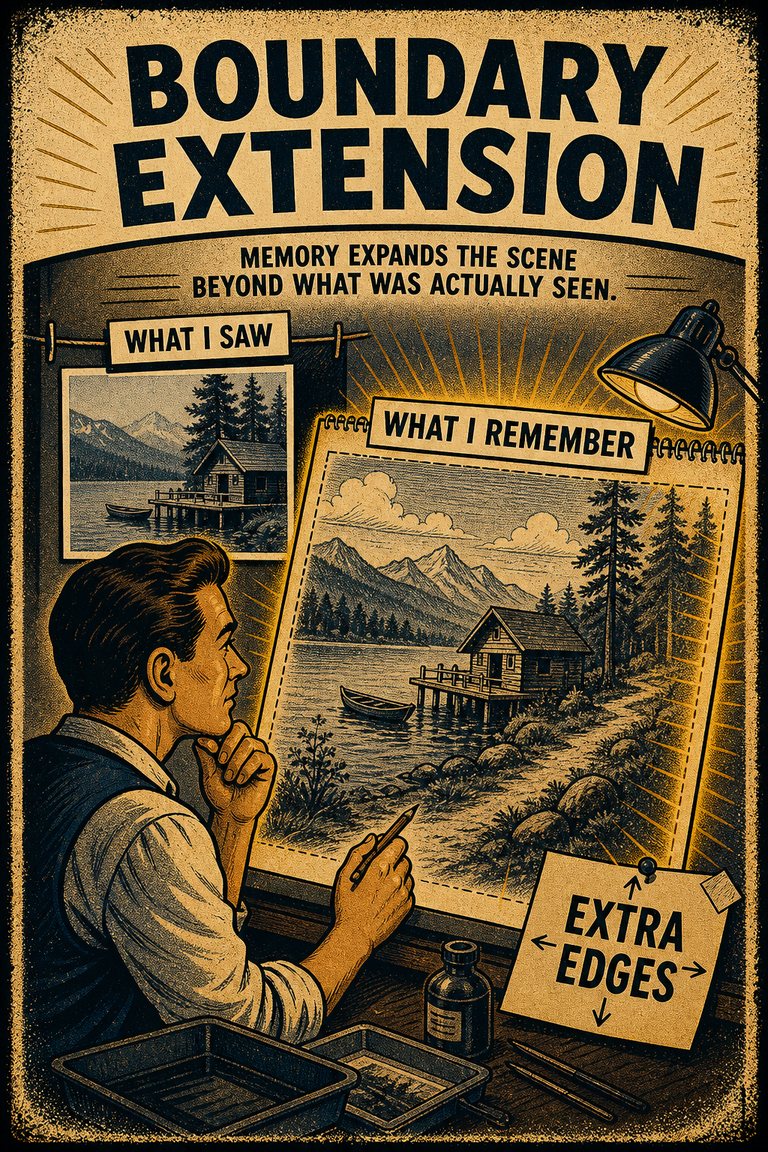
The tendency to remember a scene as having included more surrounding space than was actually shown.
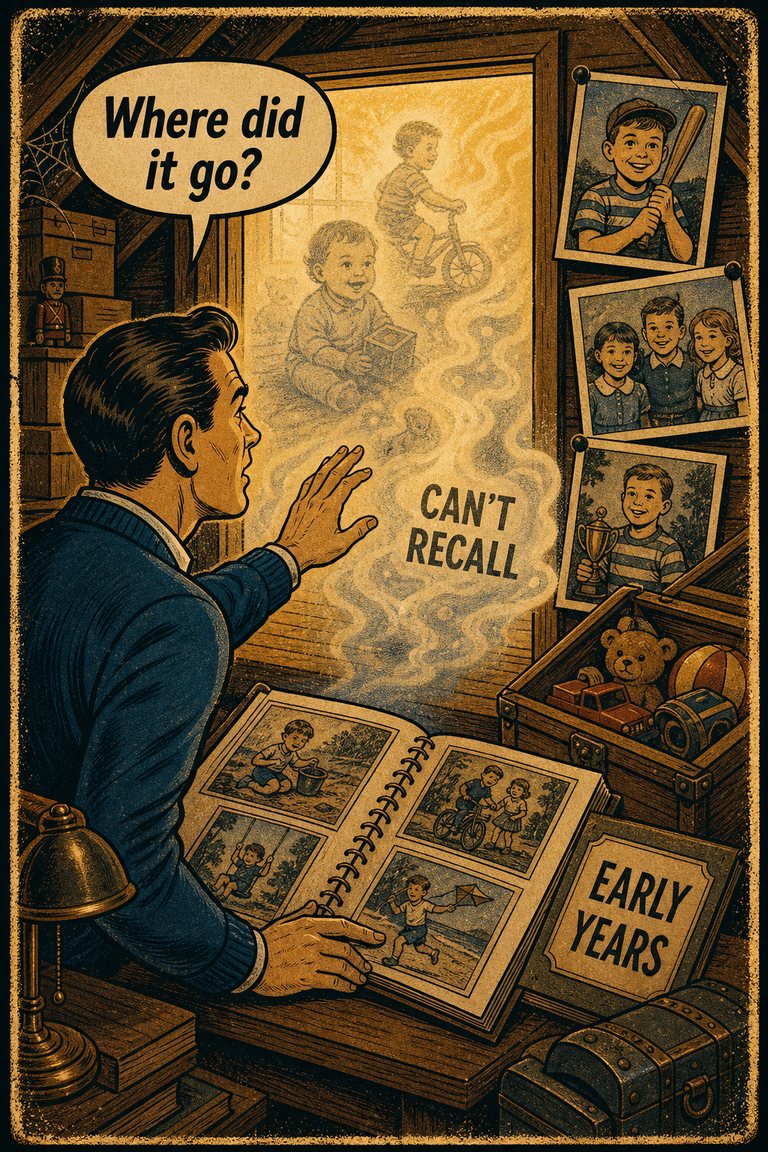
The retention of few memories from before the age of four.
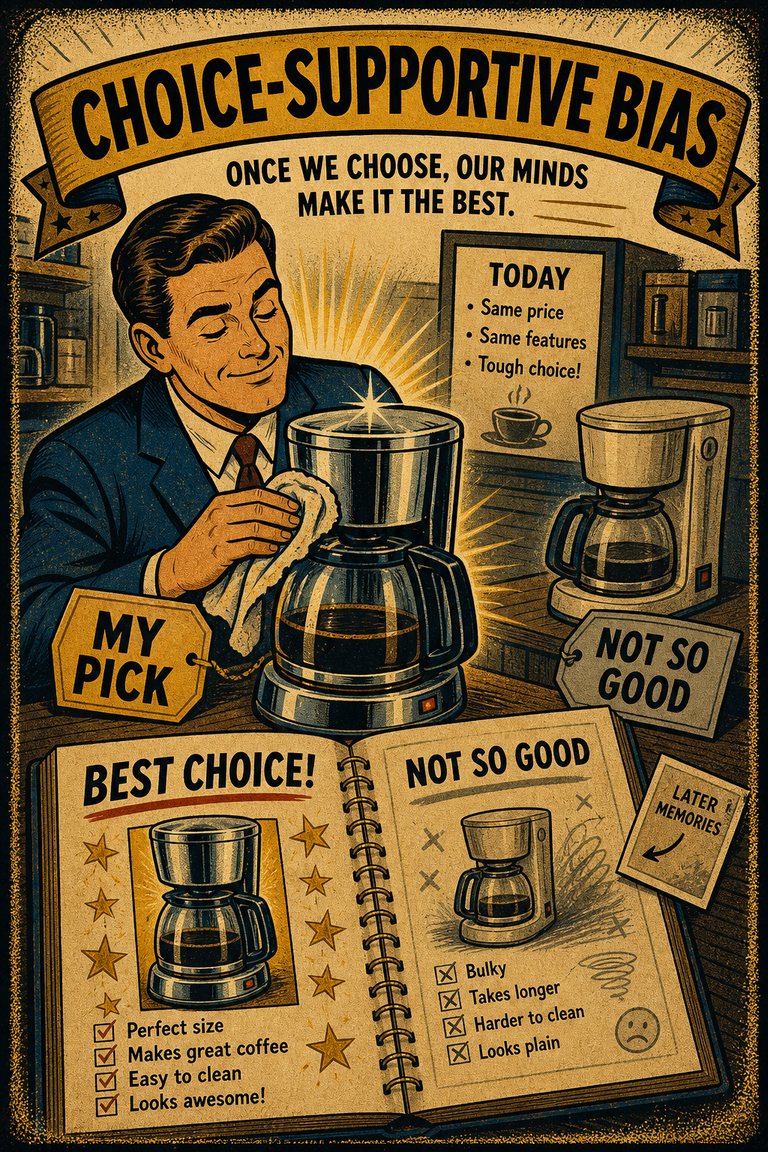
The tendency to remember one's choices as better than they actually were.
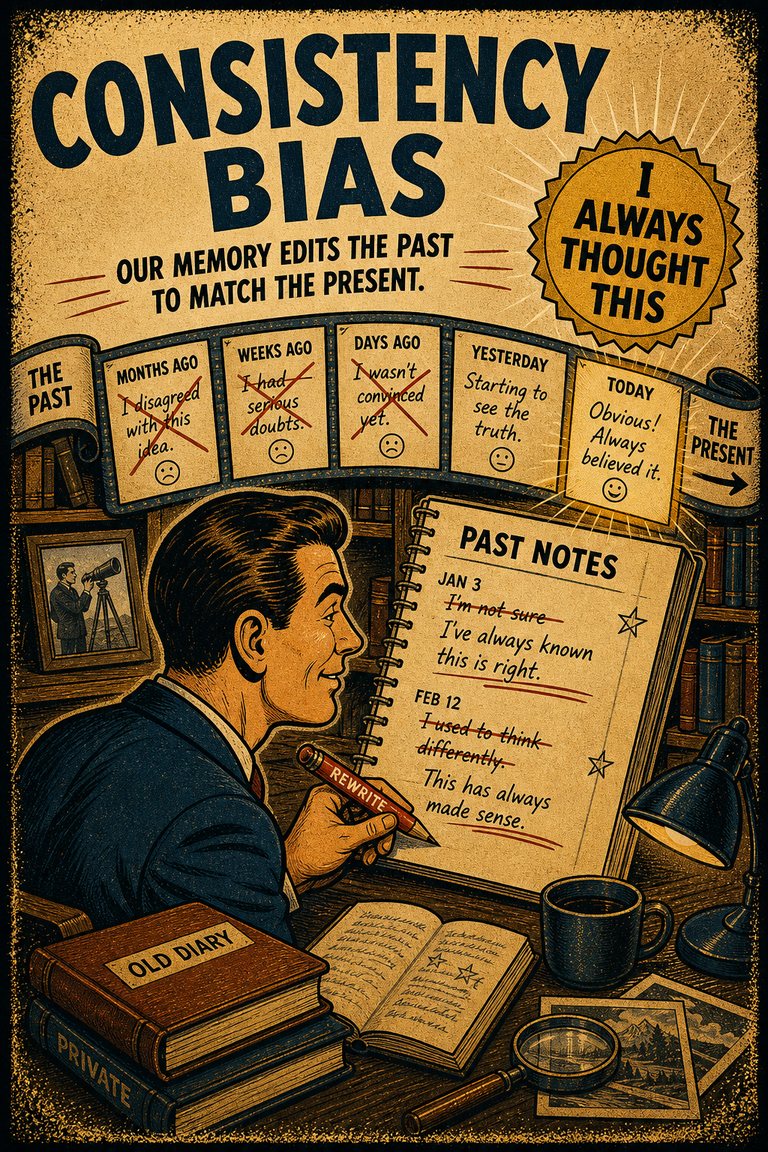
The tendency to remember past attitudes or behavior as more consistent with the present than they really were.
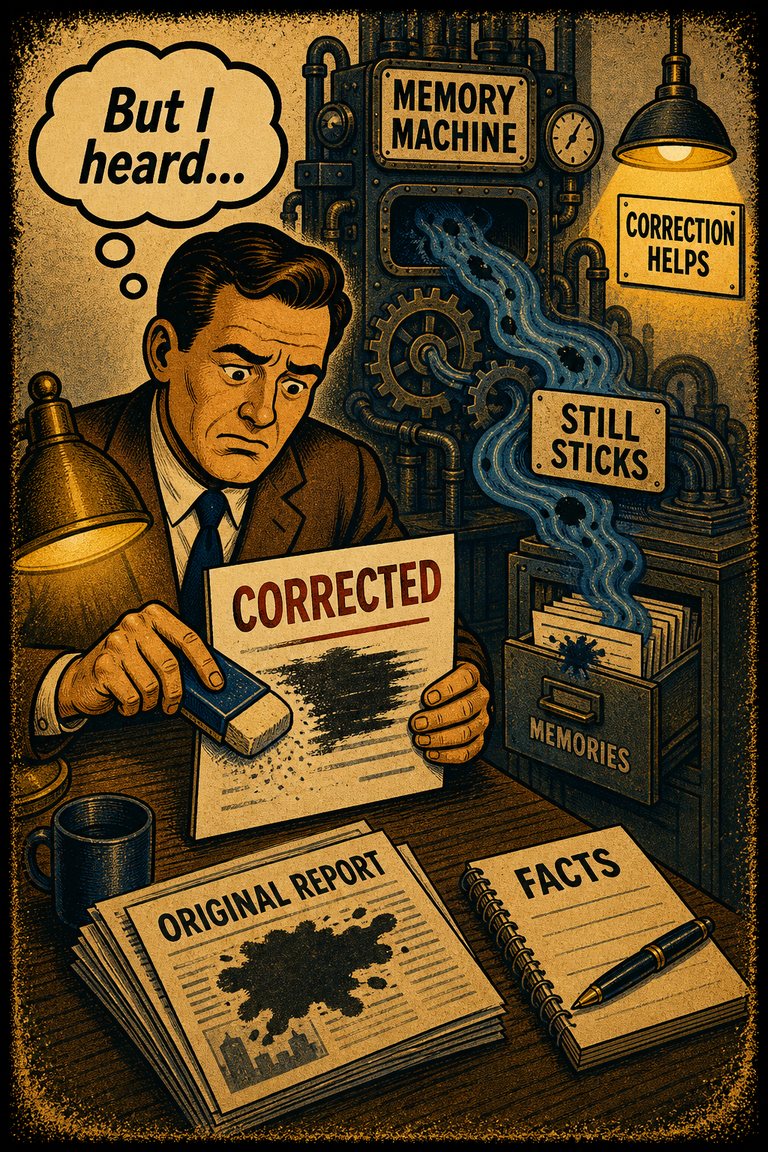
Misinformation continues to influence memory and reasoning about an event, despite the misinformation having been corrected.
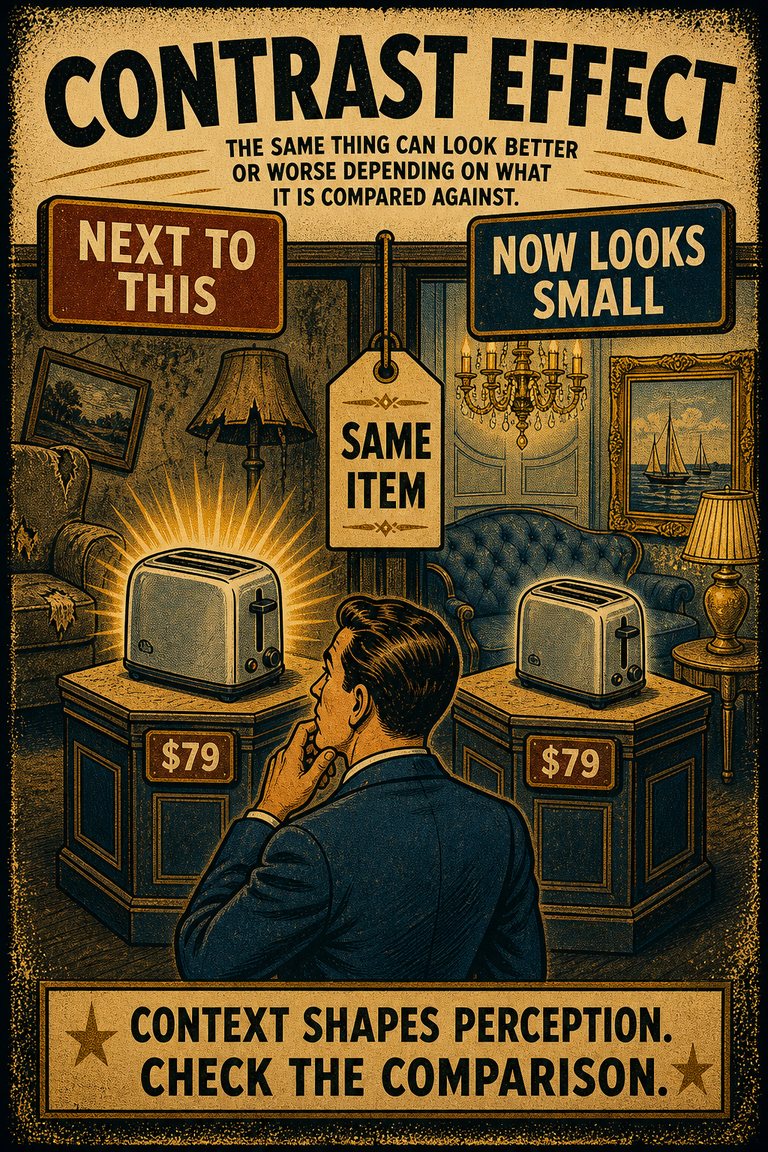
The enhancement or reduction of a certain stimulus's perception when compared with a recently observed, contrasting object.
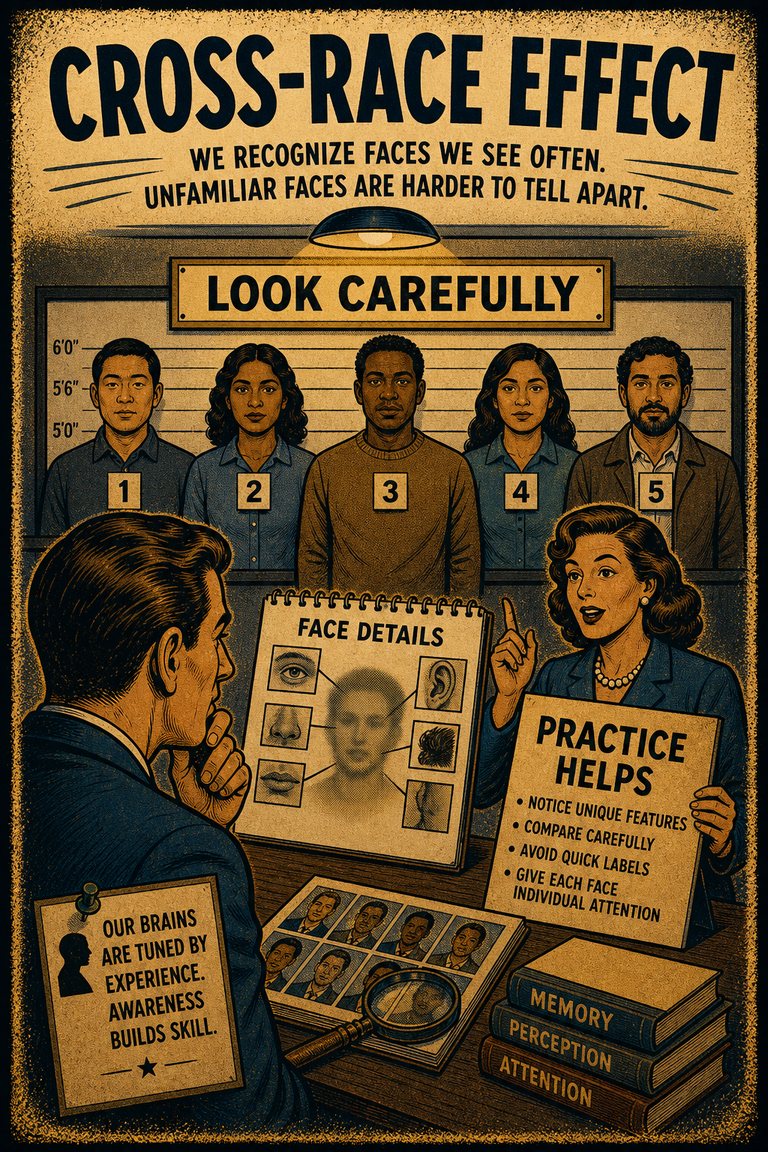
The tendency to distinguish faces of your own race more accurately than faces of other races.

The tendency to mistake an old memory or borrowed idea for a new original thought.
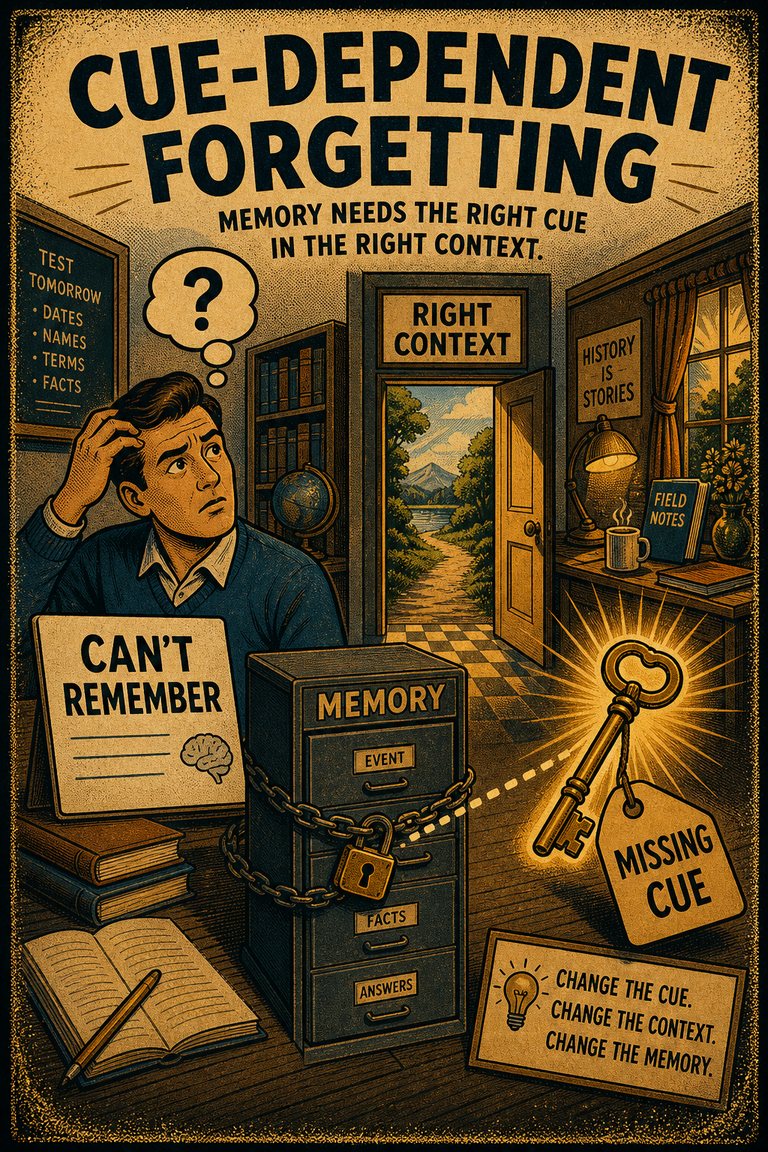
The tendency for recall to weaken when the original context or cues are missing.
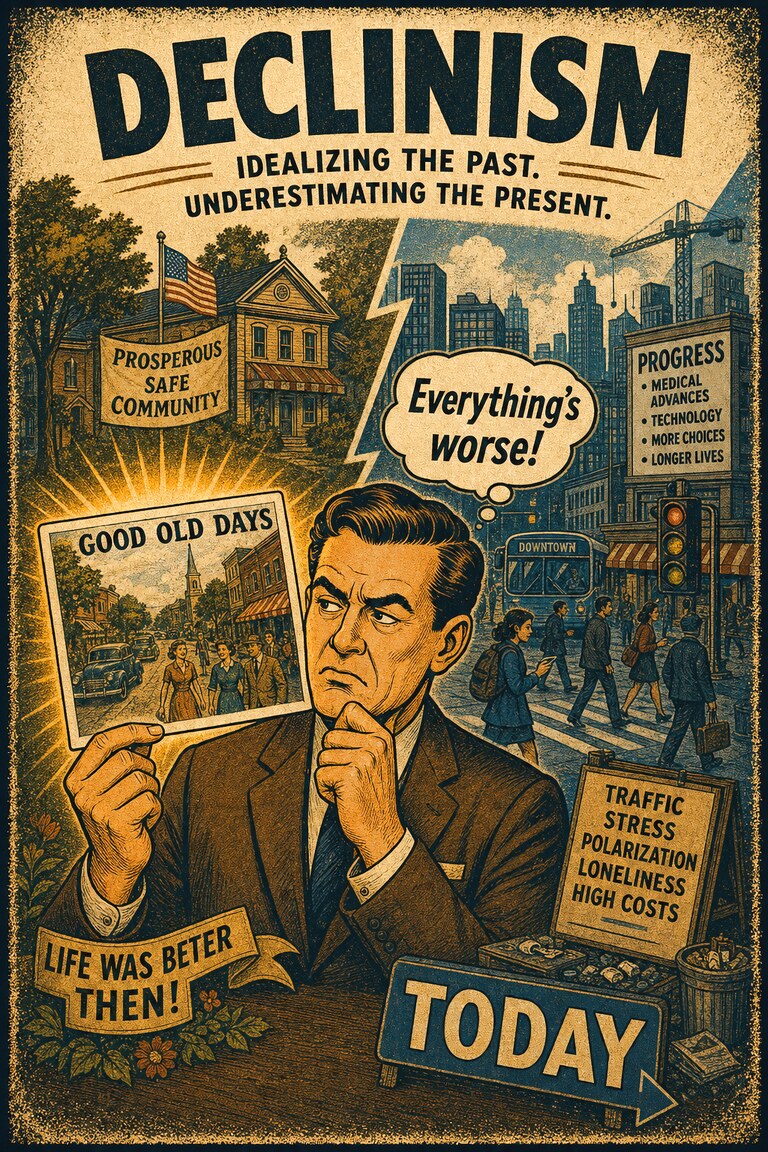
The predisposition to view the past favorably and the future unfavorably.
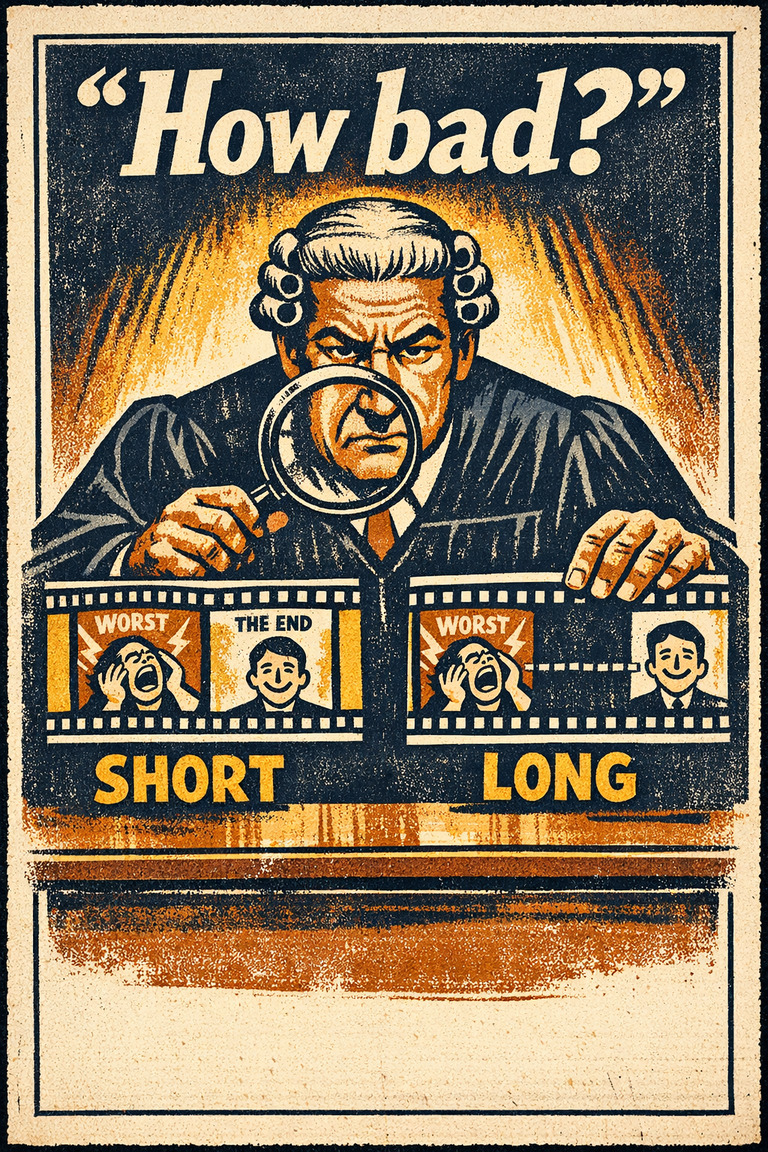
The neglect of the duration of an episode in determining its value.

The tendency of people to remember past experiences favorably while overlooking bad experiences associated with them.
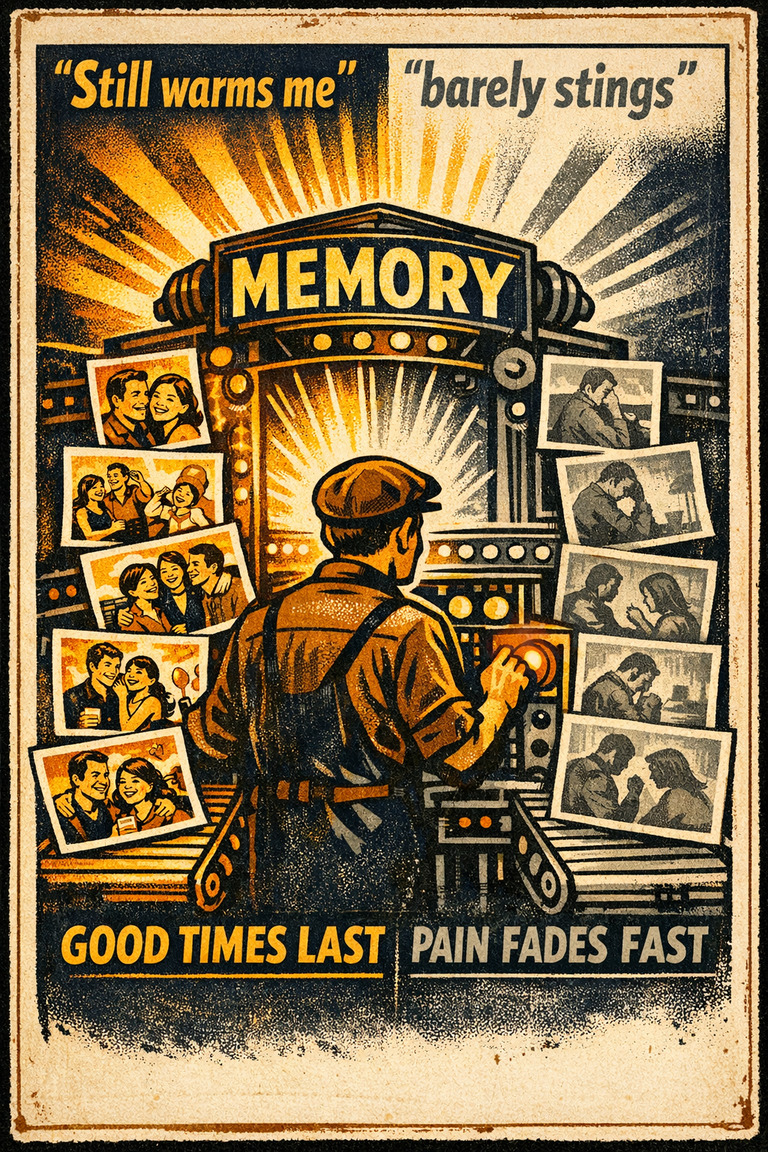
A bias in which the emotion associated with unpleasant memories fades more quickly than the emotion associated with pleasant ones.

The tendency to mistake imagination, suggestion, or reconstruction for an actual memory.
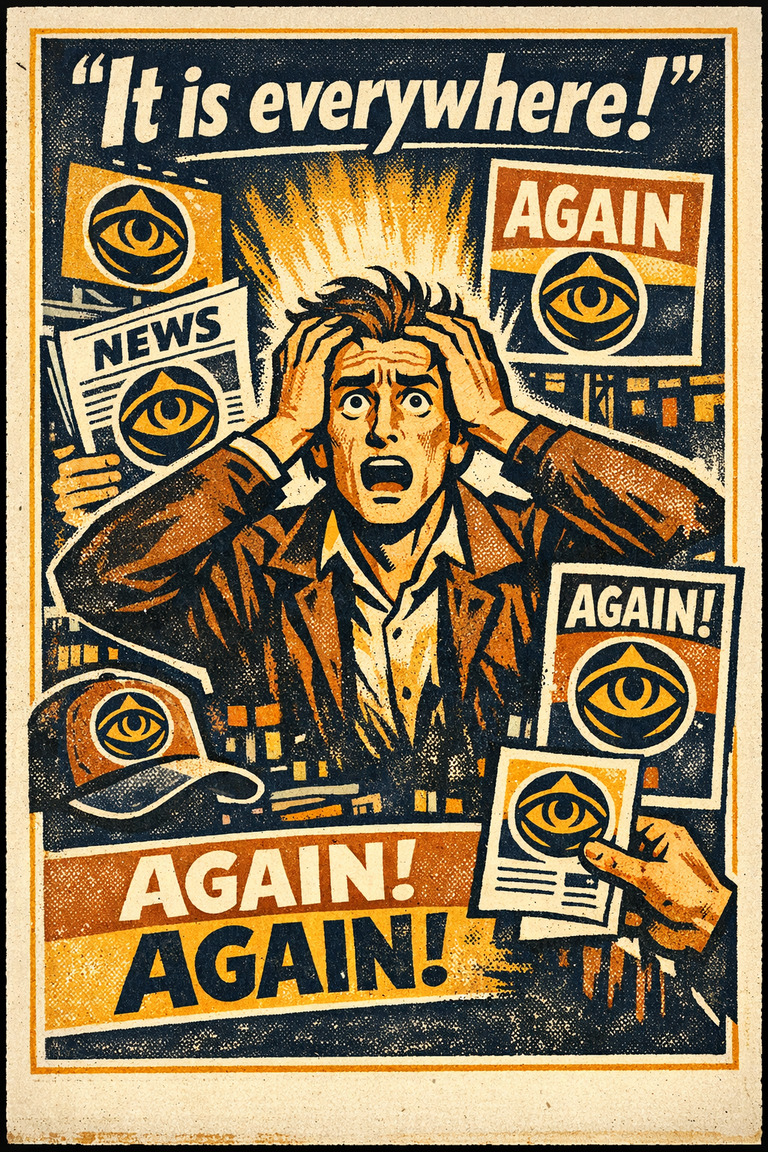
The tendency to notice something once and then feel as if it is suddenly everywhere.

The tendency for witnesses to remember more detail about someone of the same gender under some conditions.

The tendency to remember self-generated information better than information supplied by others.
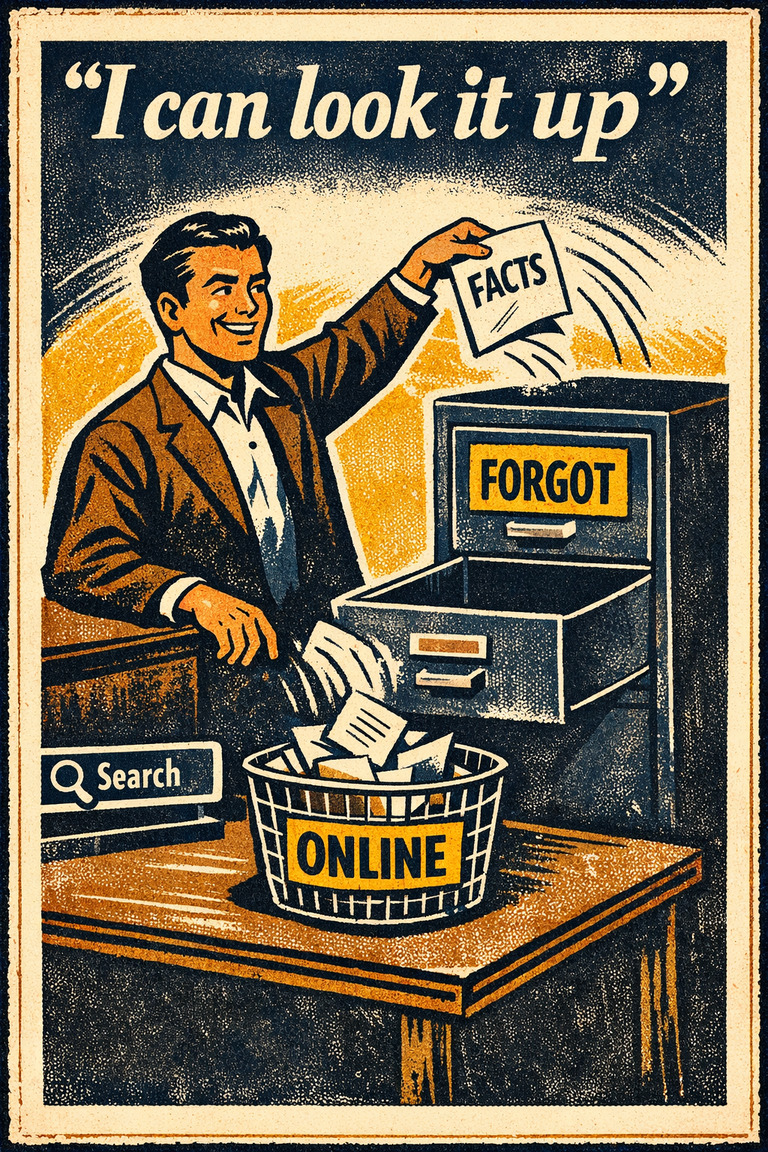
The tendency to forget information that can be found readily online by using Internet search engines.
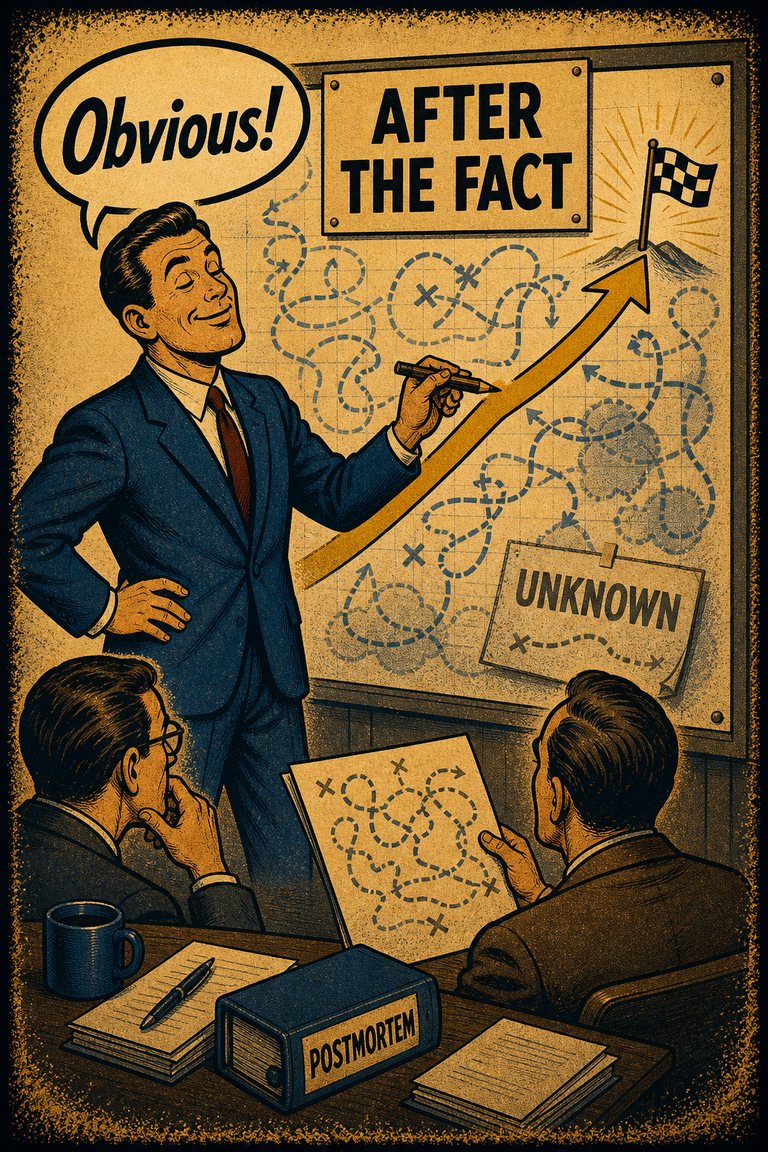
The tendency after an outcome is known, to see it as having been more obvious or predictable than it actually was beforehand.
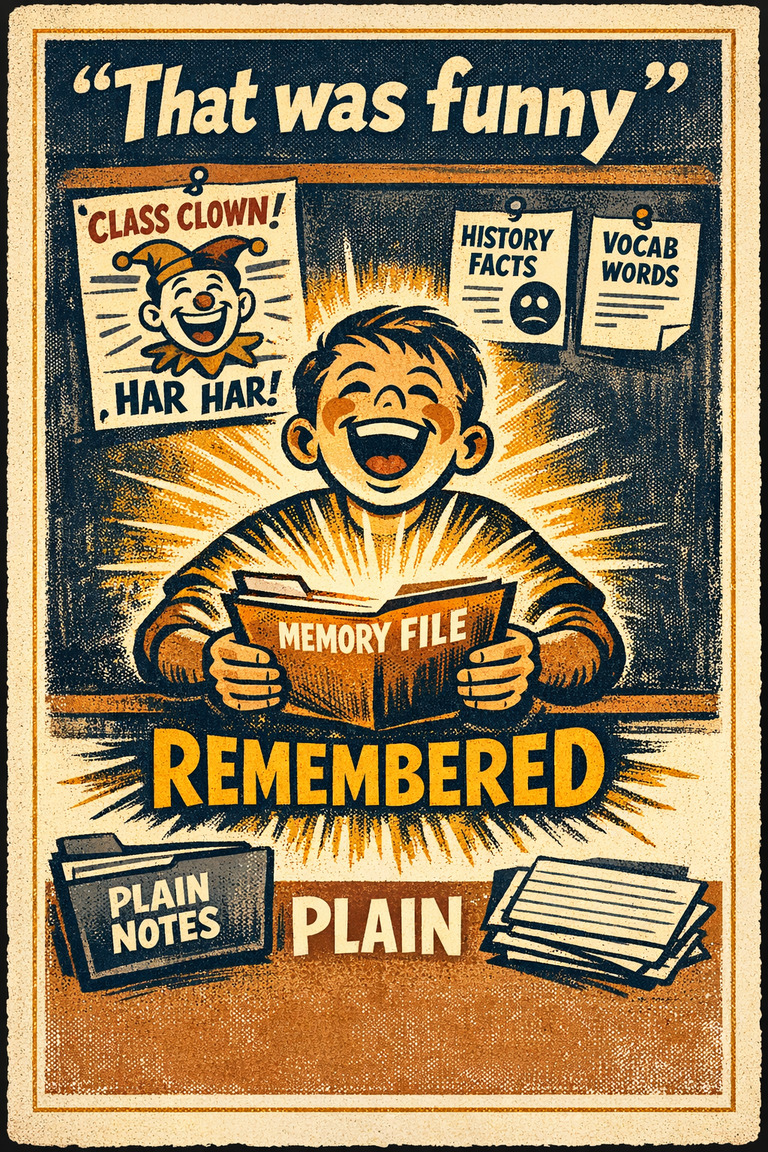
The tendency to remember humorous material more easily than comparable non-humorous material.
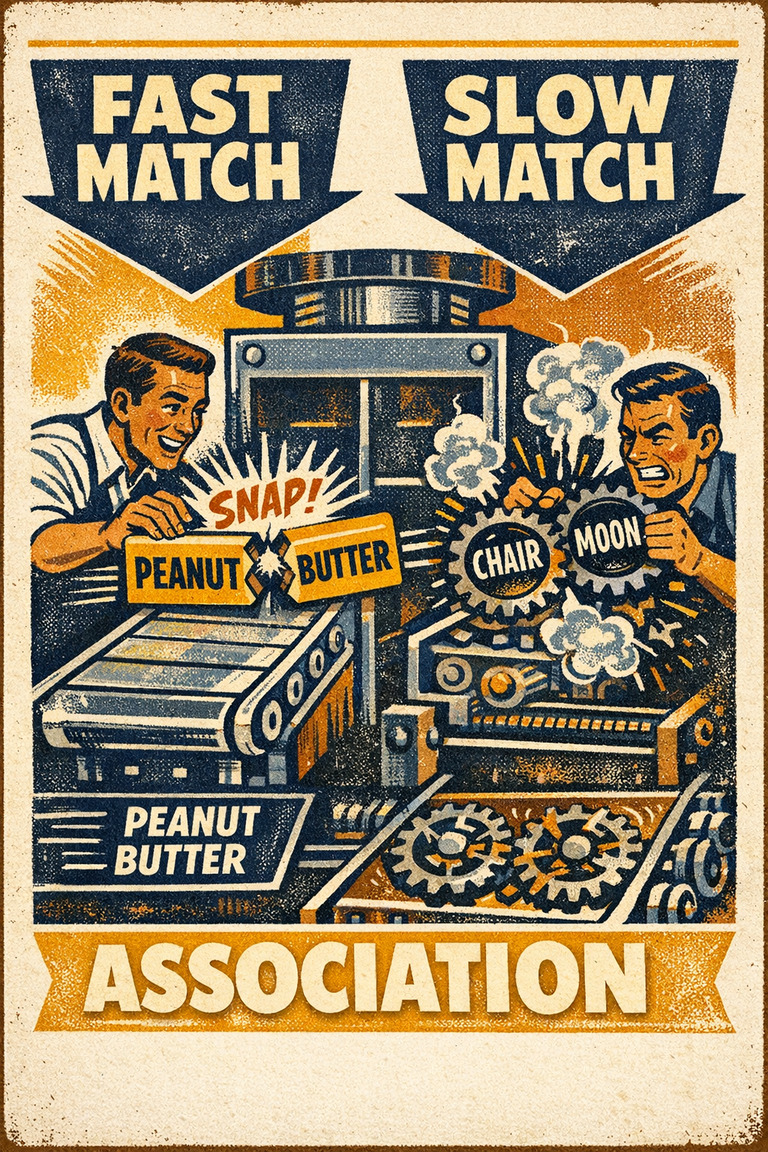
The tendency for response speed to reflect how strongly ideas are linked in memory.
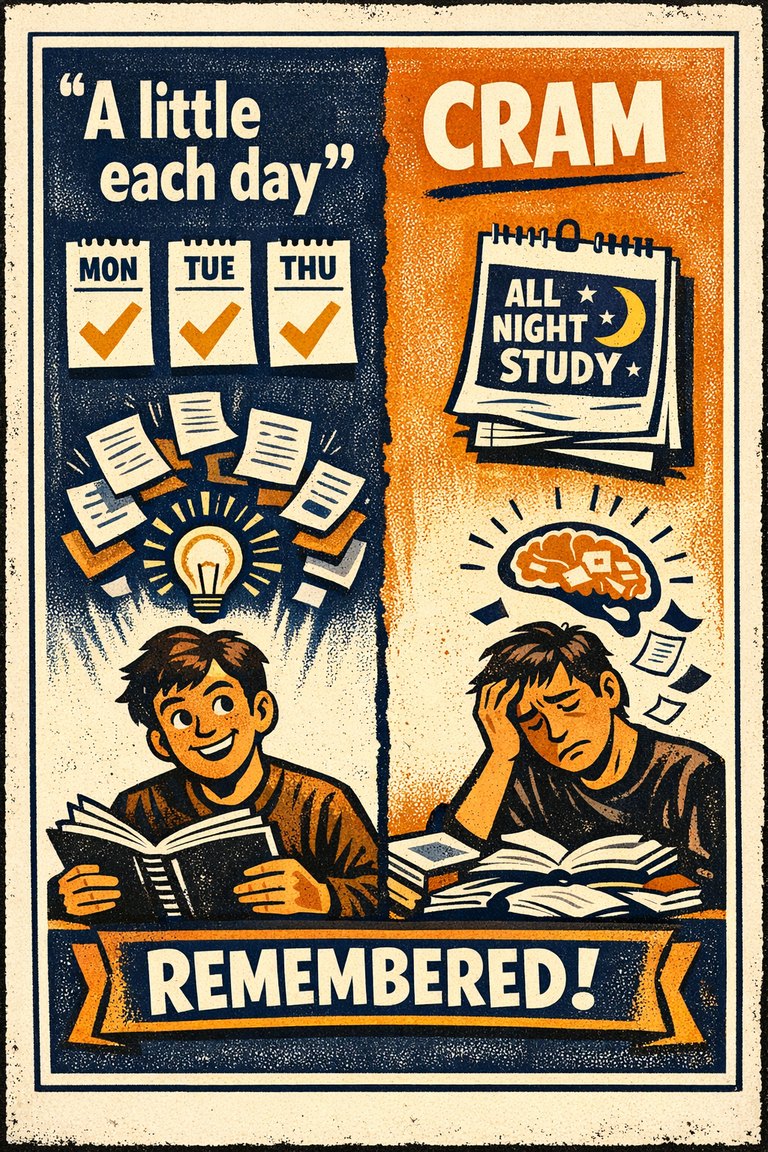
The phenomenon whereby learning is greater when studying is spread out over time, as opposed to studying the same amount of time in a single session.

The tendency for memories to lose some details while exaggerating others as they are retold over time.
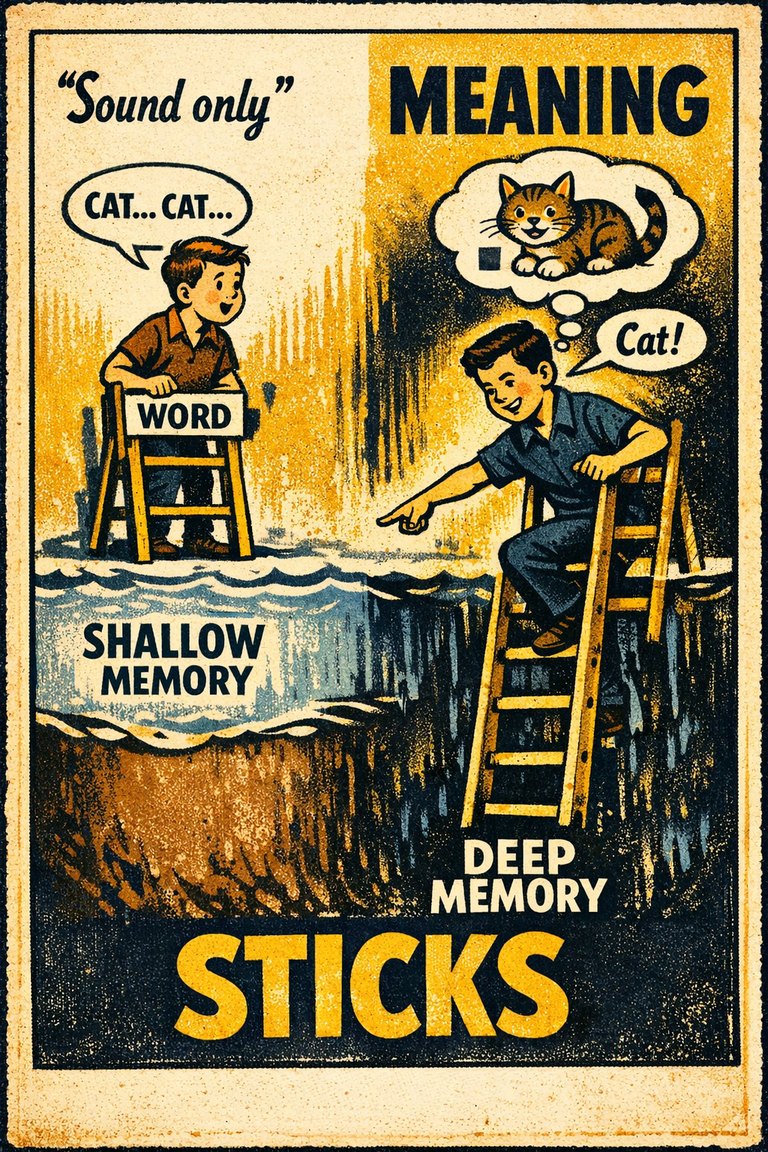
The tendency for deeper, more meaningful encoding to produce stronger memory than shallow encoding.
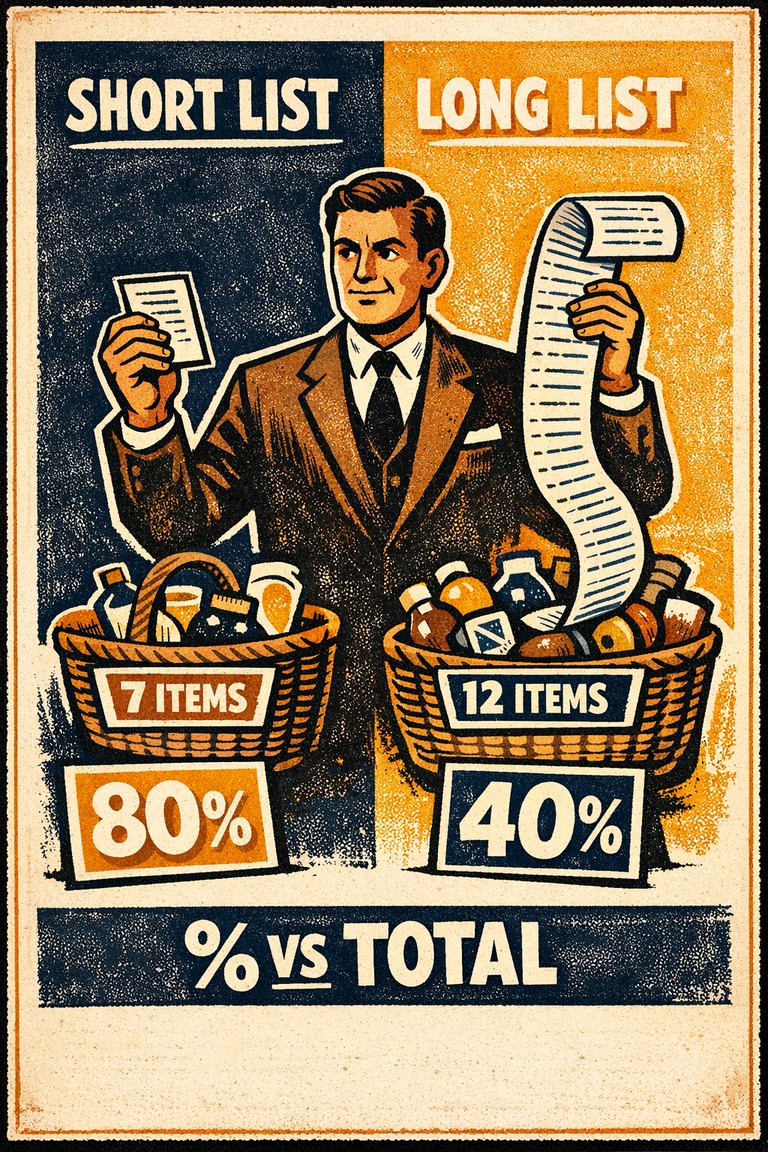
A smaller percentage of items are remembered in a longer list, but as the length of the list increases, the absolute number of items remembered increases as well.

Being shown some items from a list makes it harder to retrieve the other items.

Memory becoming less accurate because of interference from post-event information.
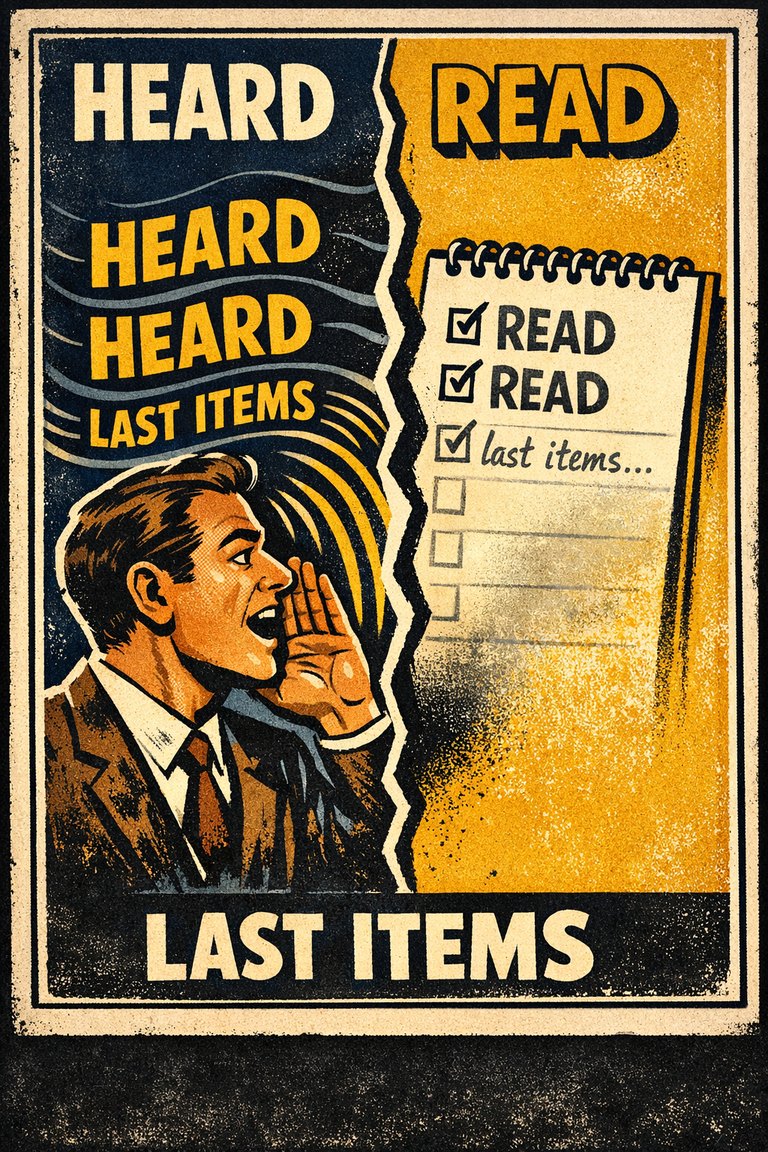
The tendency for the last items in a list to be remembered better when heard than when read.
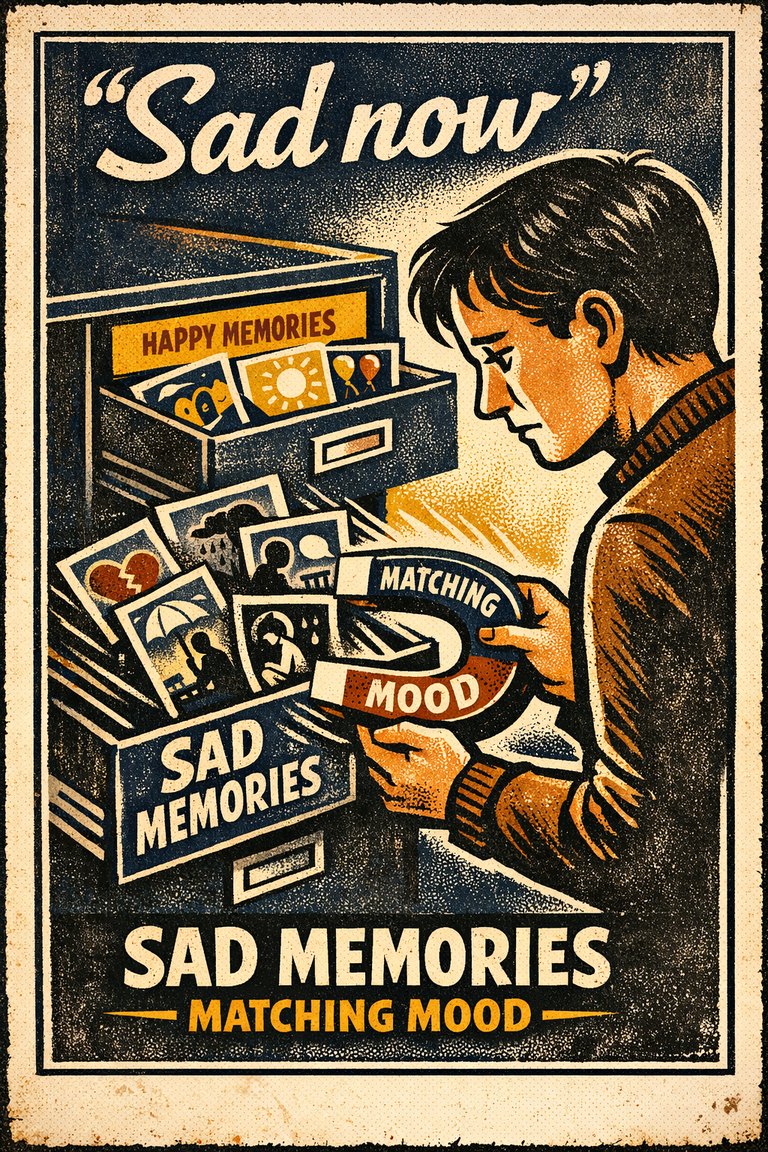
The improved recall of information congruent with one's current mood.
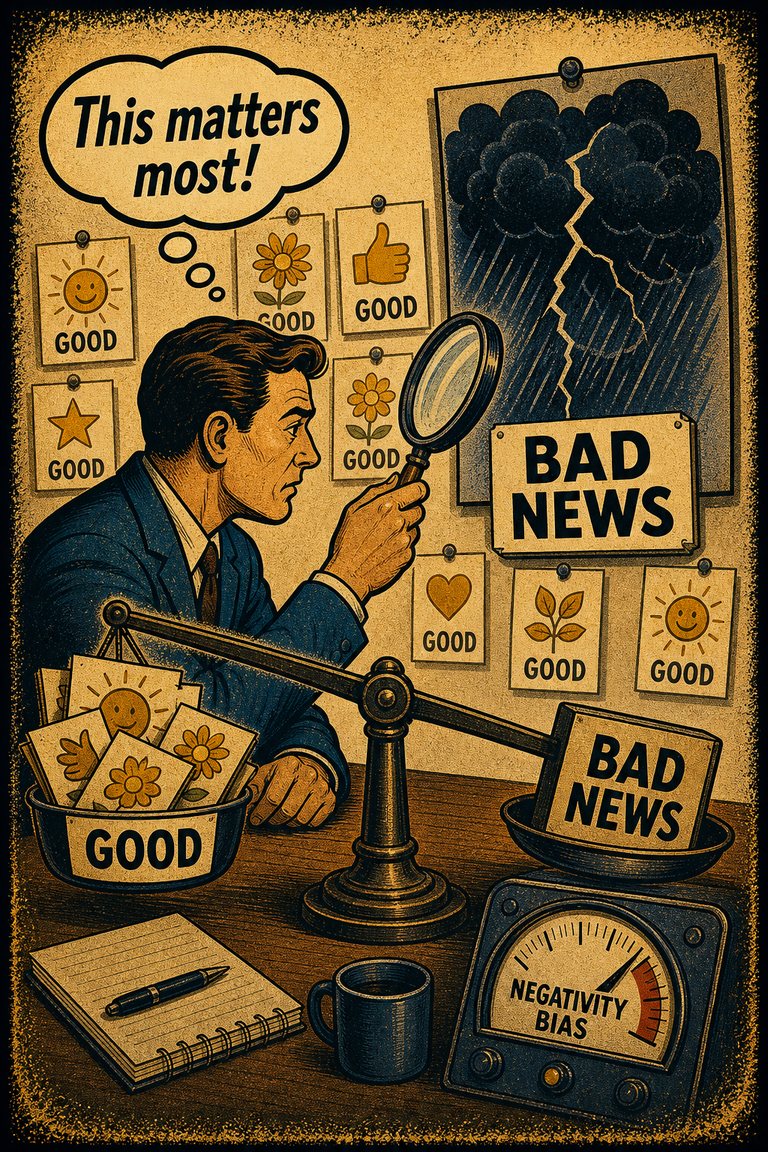
The tendency to give bad news, threats, criticism, and losses more psychological weight than equally sized positives.
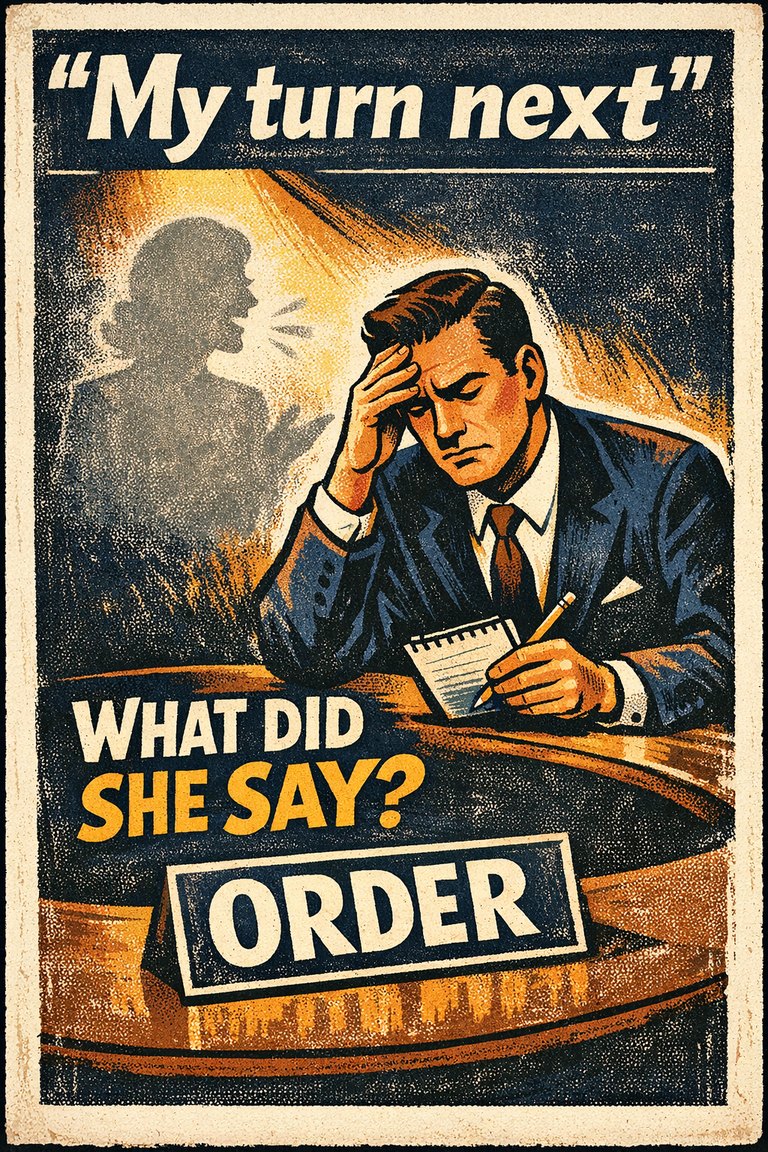
The tendency to remember less of the person who spoke just before one's own turn.
The tendency for seeing some items from a list to make the remaining items harder to recall.
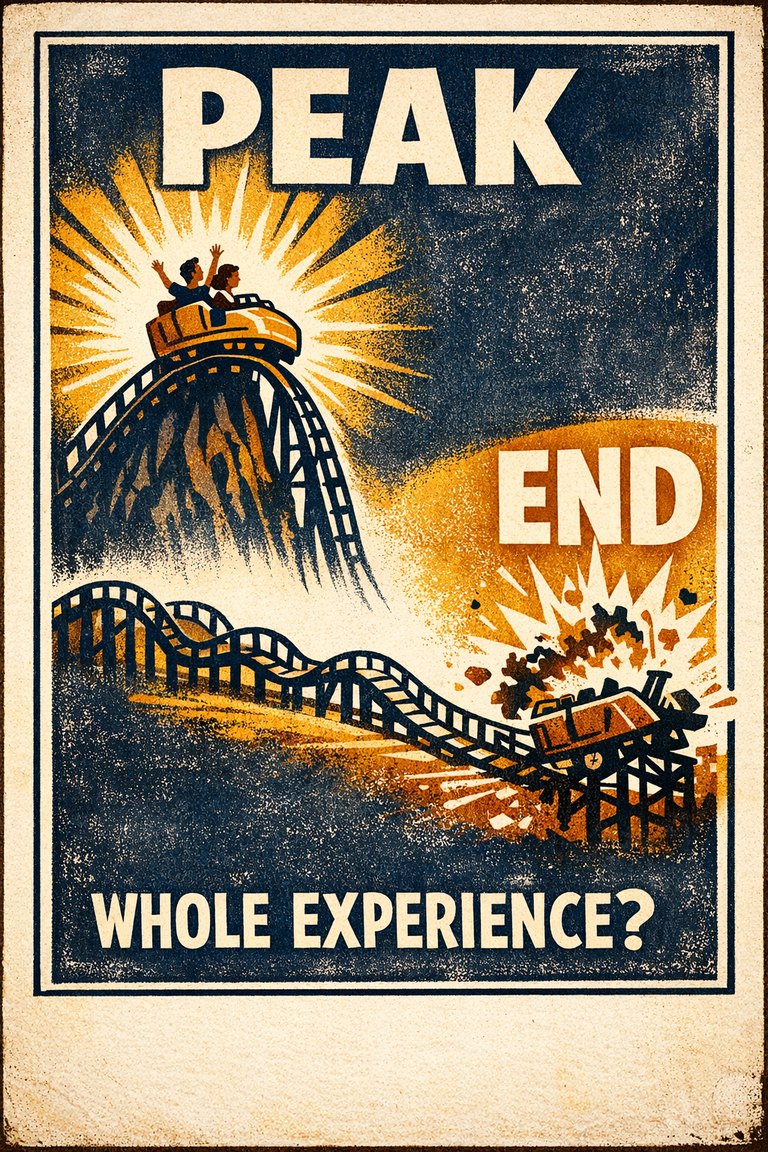
The tendency to remember an experience mainly by its peak moment and its ending.
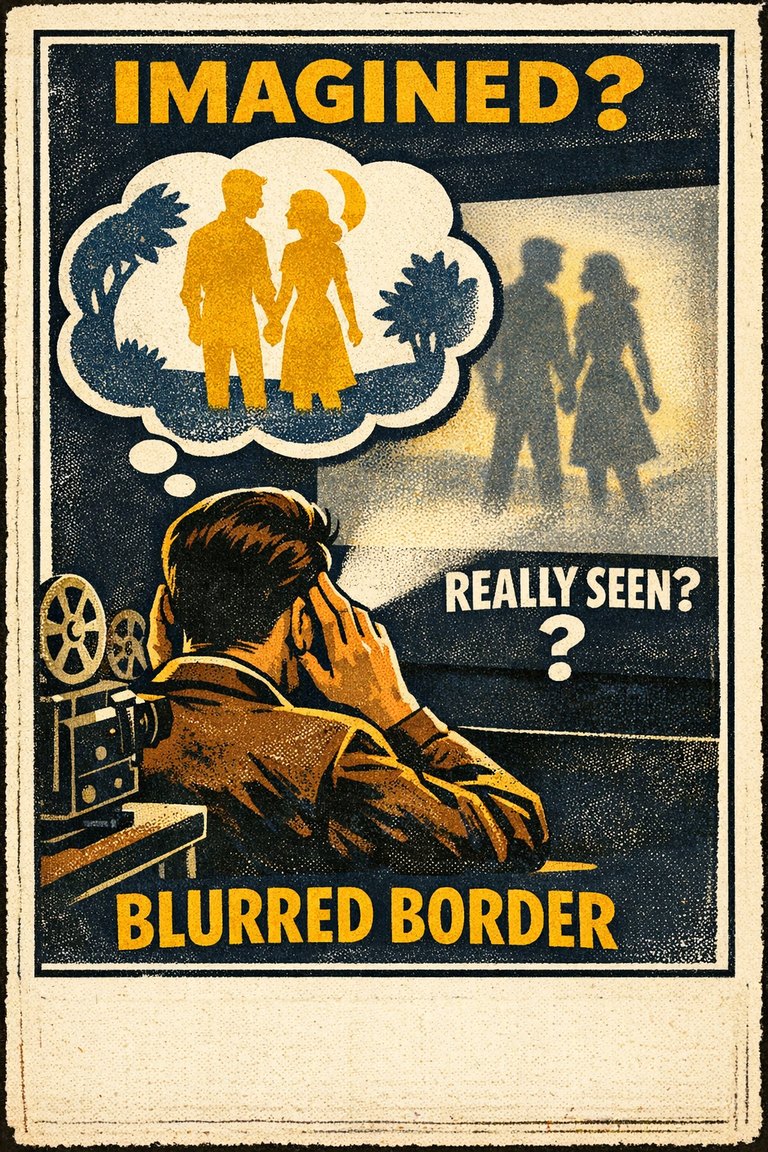
The Perky effect, where real images can influence imagined images, or be misremembered as imagined rather than real.
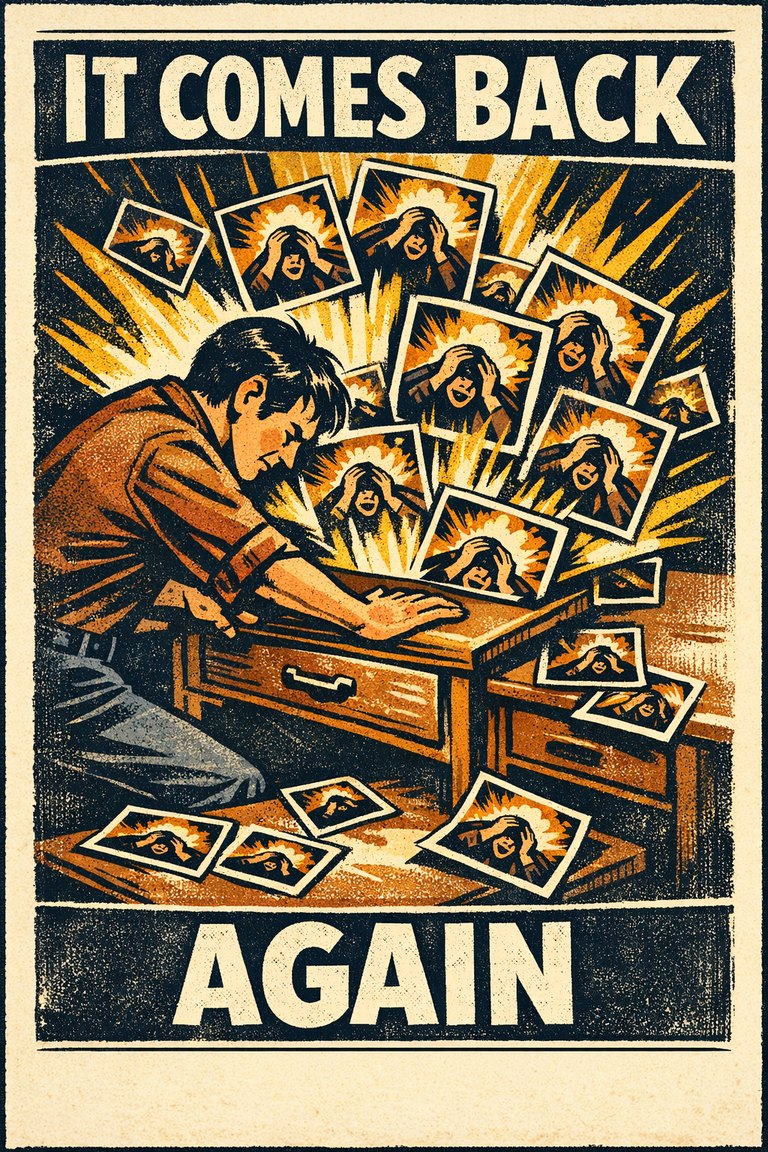
The tendency for traumatic memories to recur unwantedly after the event is over.
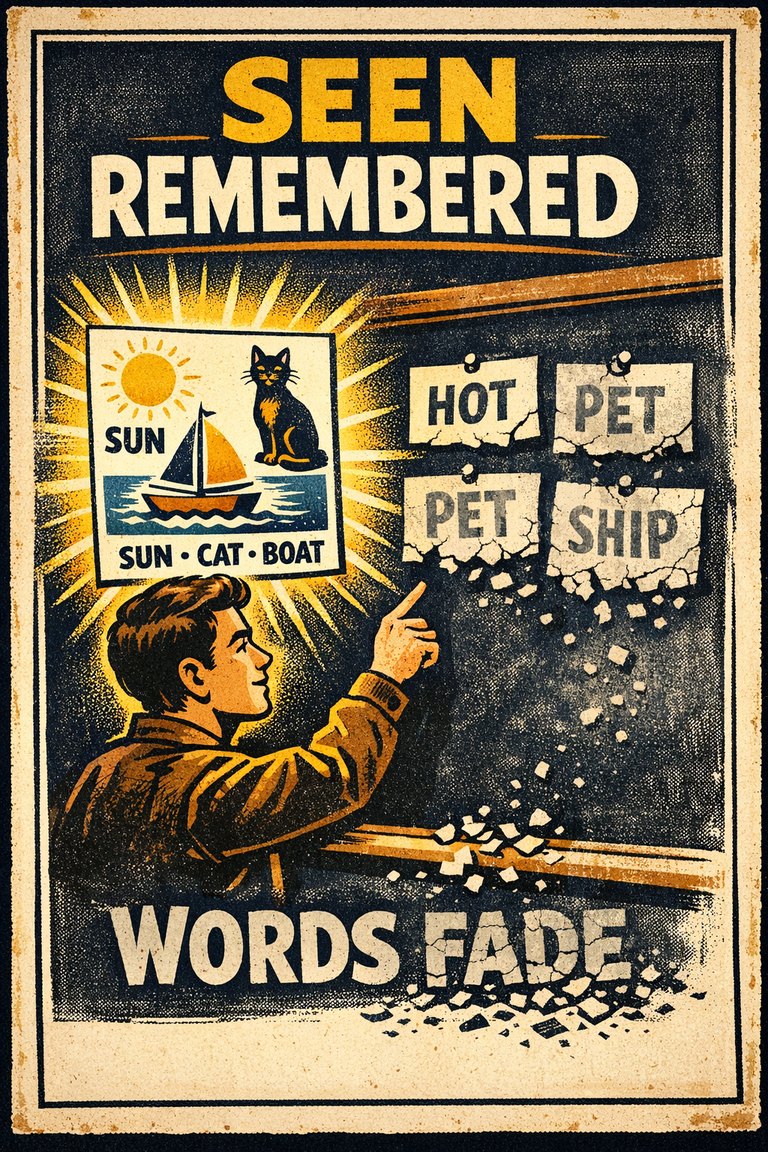
The tendency to remember pictured information better than the same information presented only as words.
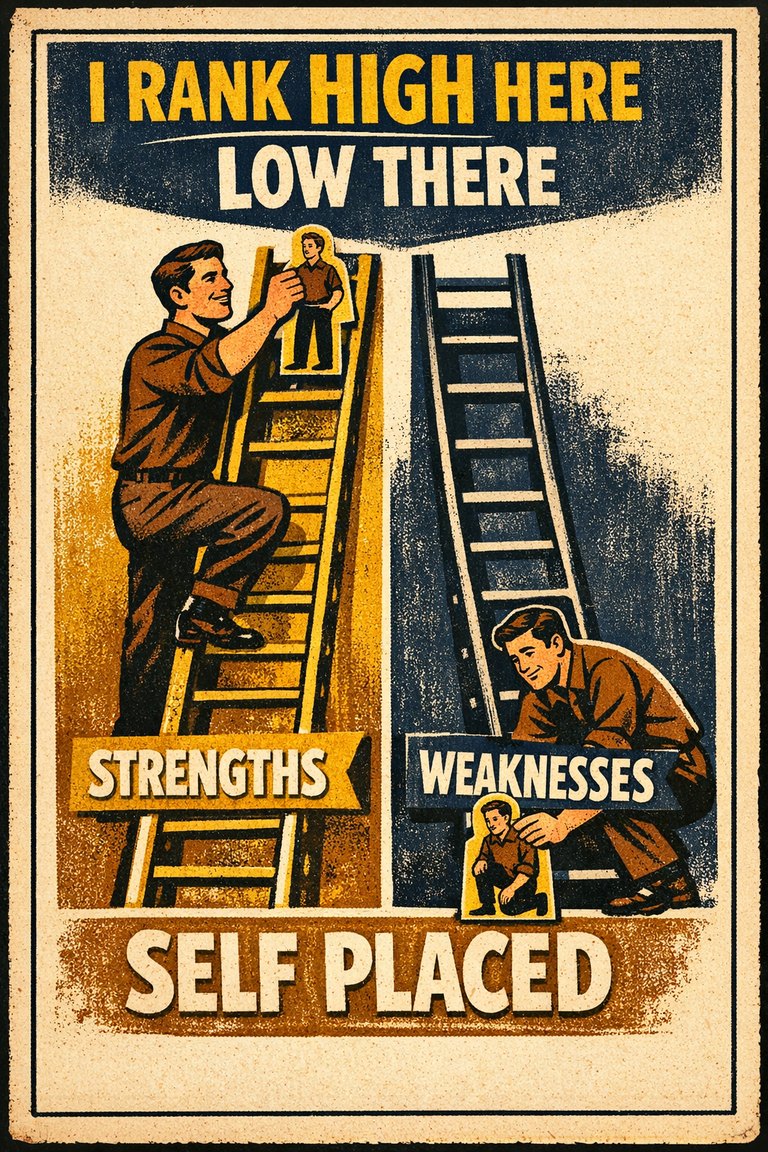
The tendency to remember oneself as above average at strengths and below average at weaknesses.

Older adults' tendency to favor good over bad information in their memories.
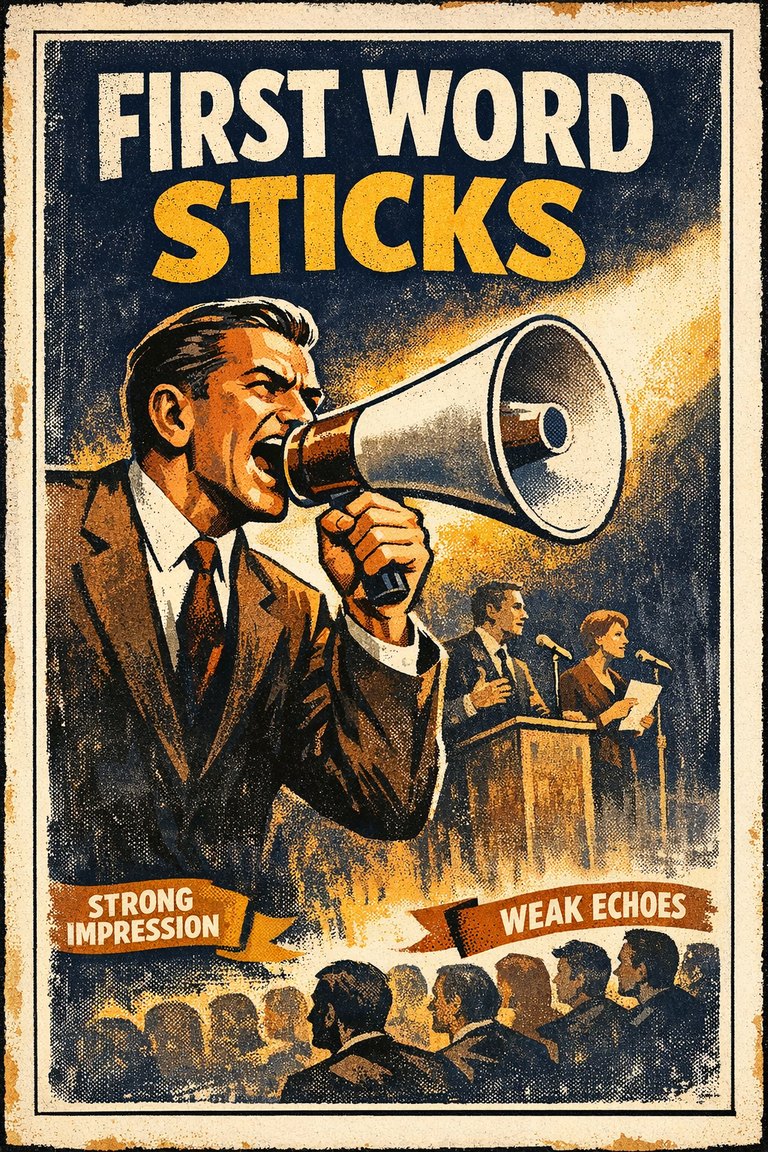
The tendency to remember items at the beginning of a sequence especially well.
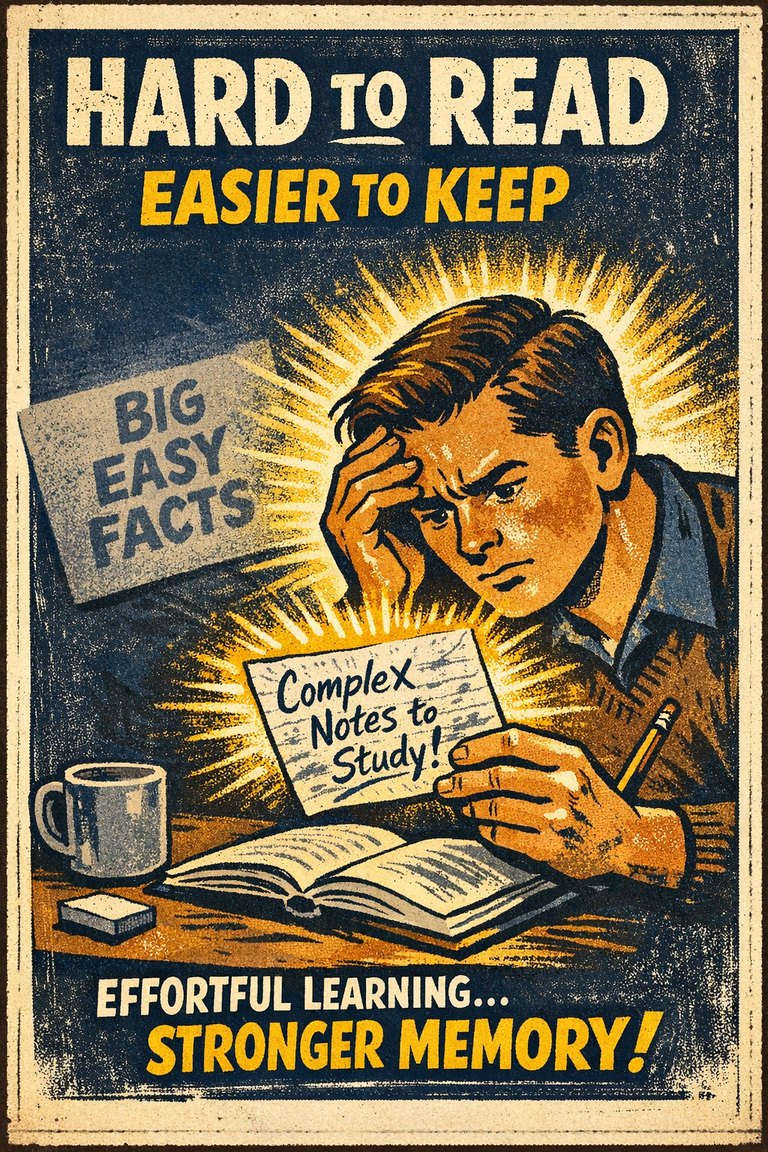
The tendency to remember information better when processing it required more effort or thought.
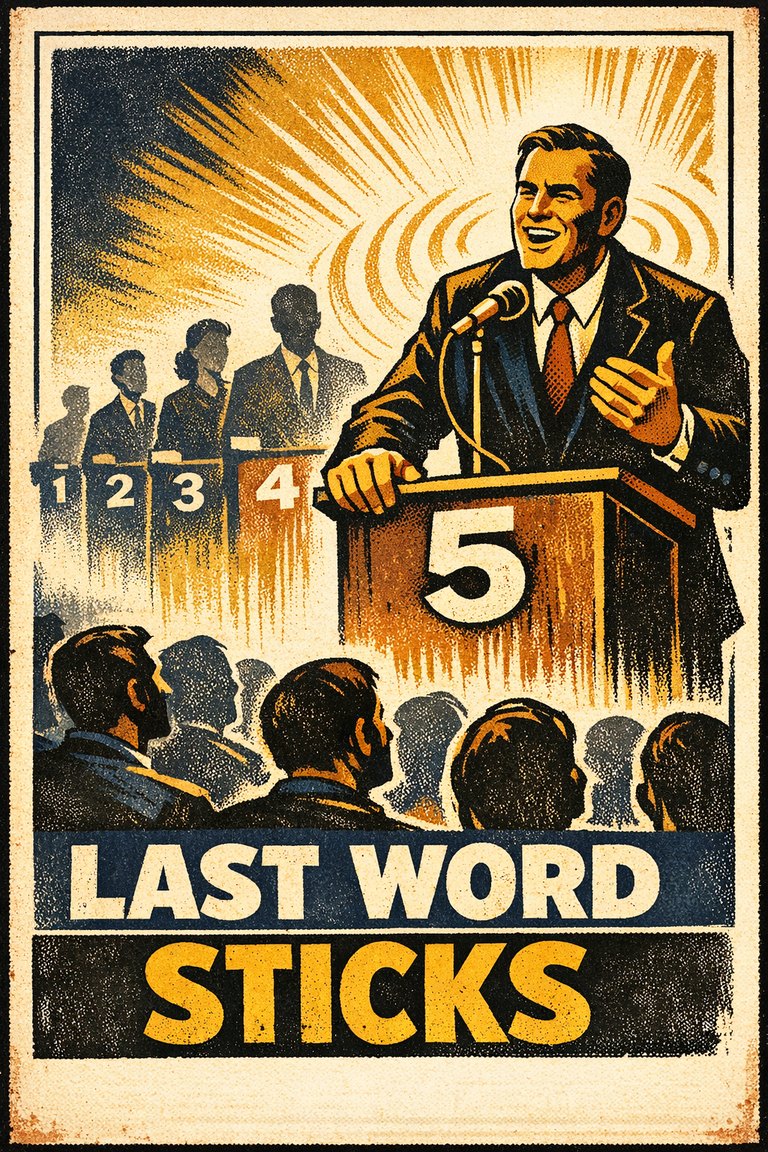
A form of serial position effect where an item at the end of a list is easier to recall.

The illusion that a phenomenon one has noticed only recently is itself recent.

The recalling of more personal events from adolescence and early adulthood than personal events from other lifetime periods.
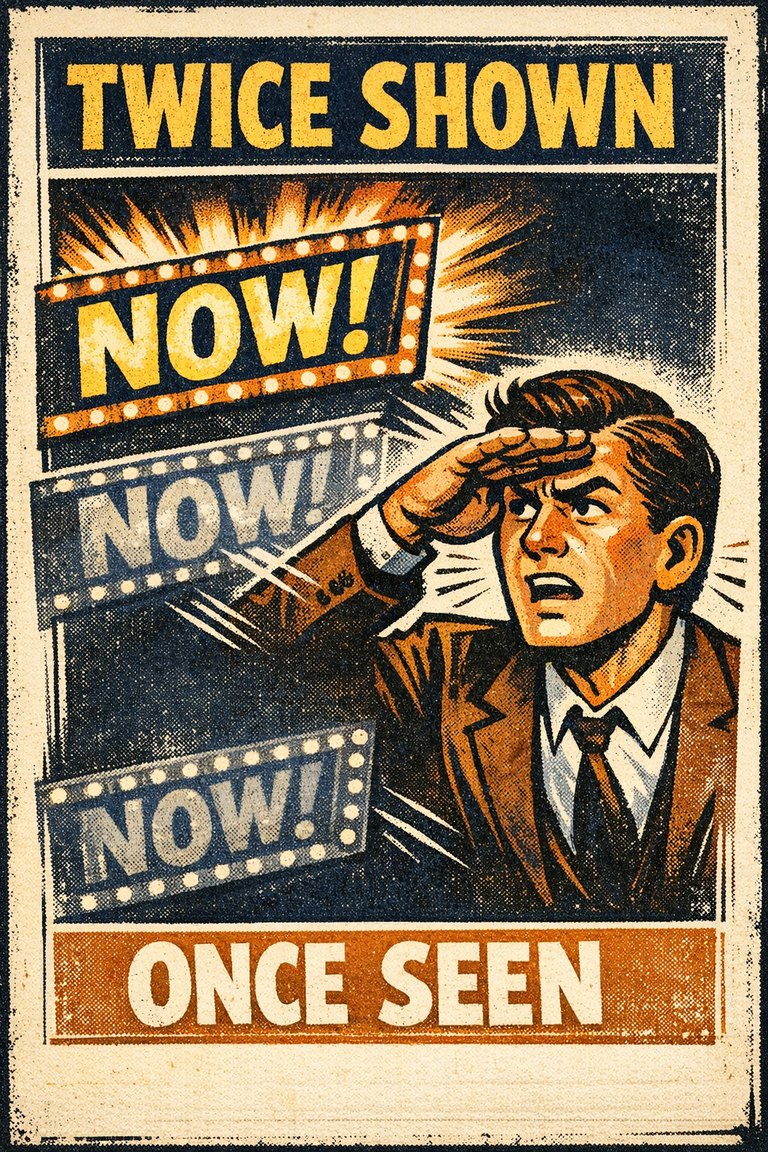
Unexpected difficulty in remembering more than one instance of a visual sequence.

The remembering of the past as having been better than it really was.
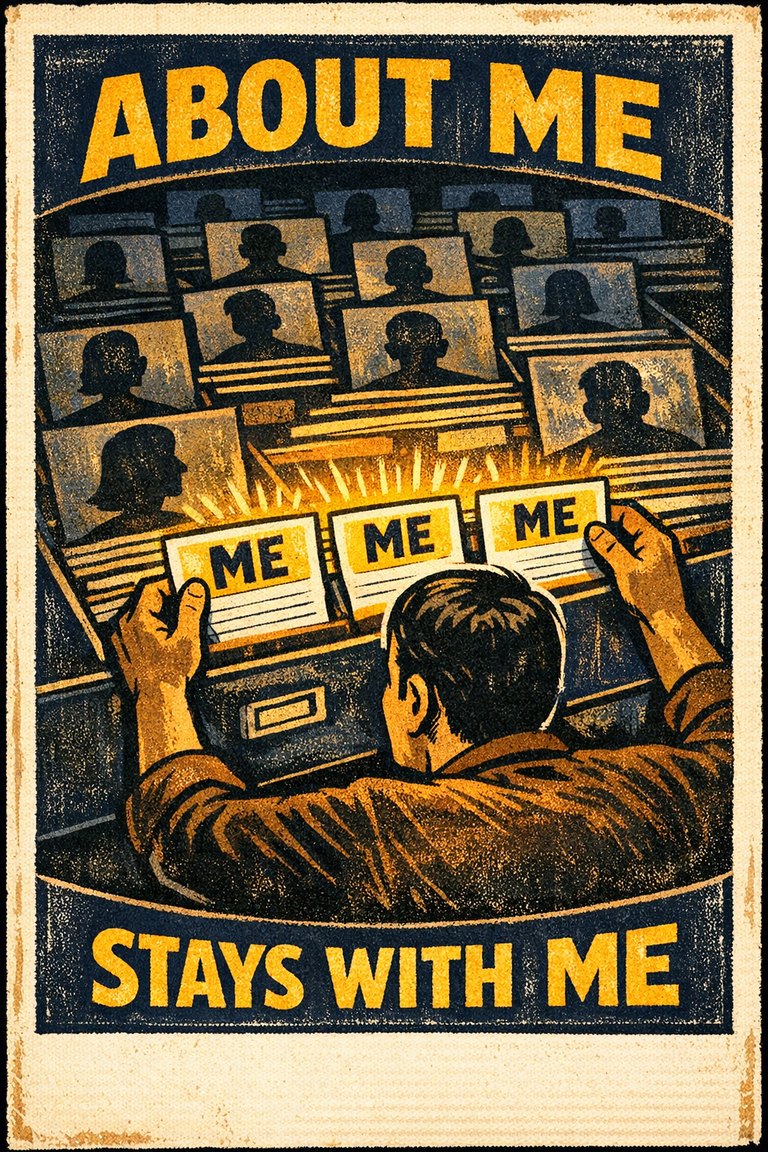
The tendency to remember information better when it is connected to oneself.
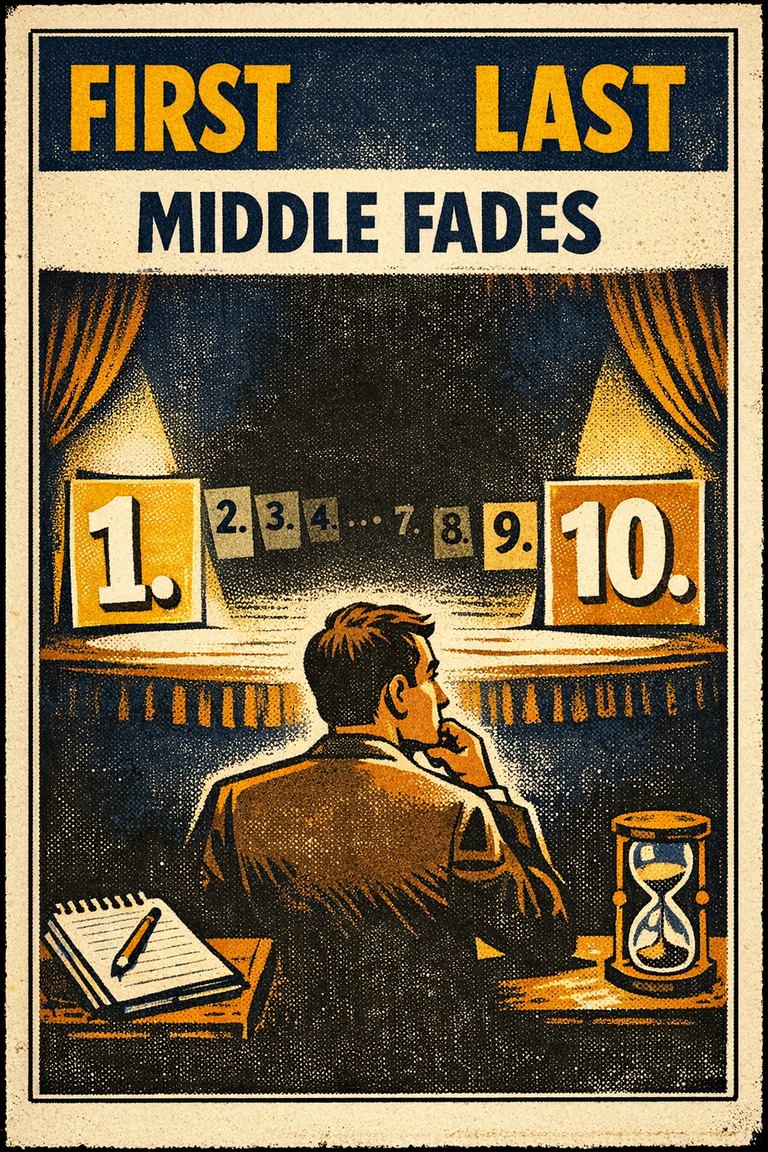
The tendency to remember items at the beginning and end of a sequence better than those in the middle.

The tendency for societies to remember that change happened while forgetting who caused it and how.
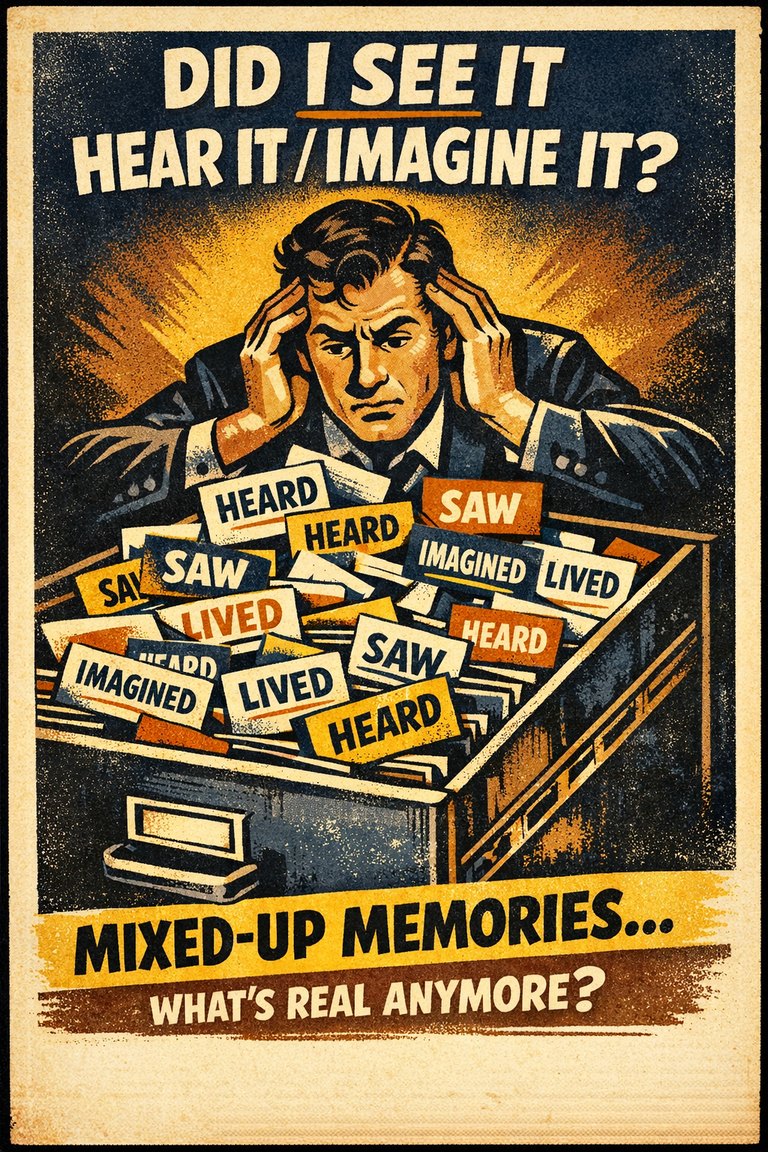
Episodic memories are confused with other information, creating distorted memories.

The tendency to remember information better when exposure is spaced out over time.
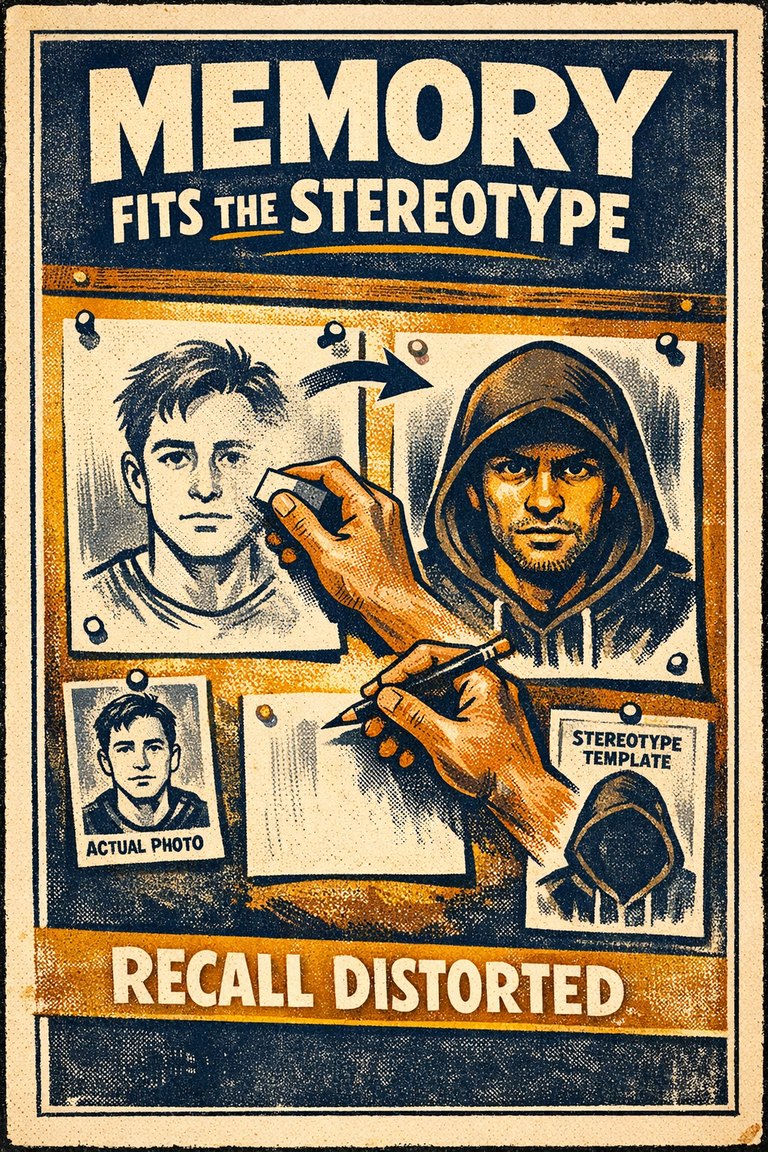
The tendency for memory or judgment to drift toward familiar social stereotypes.
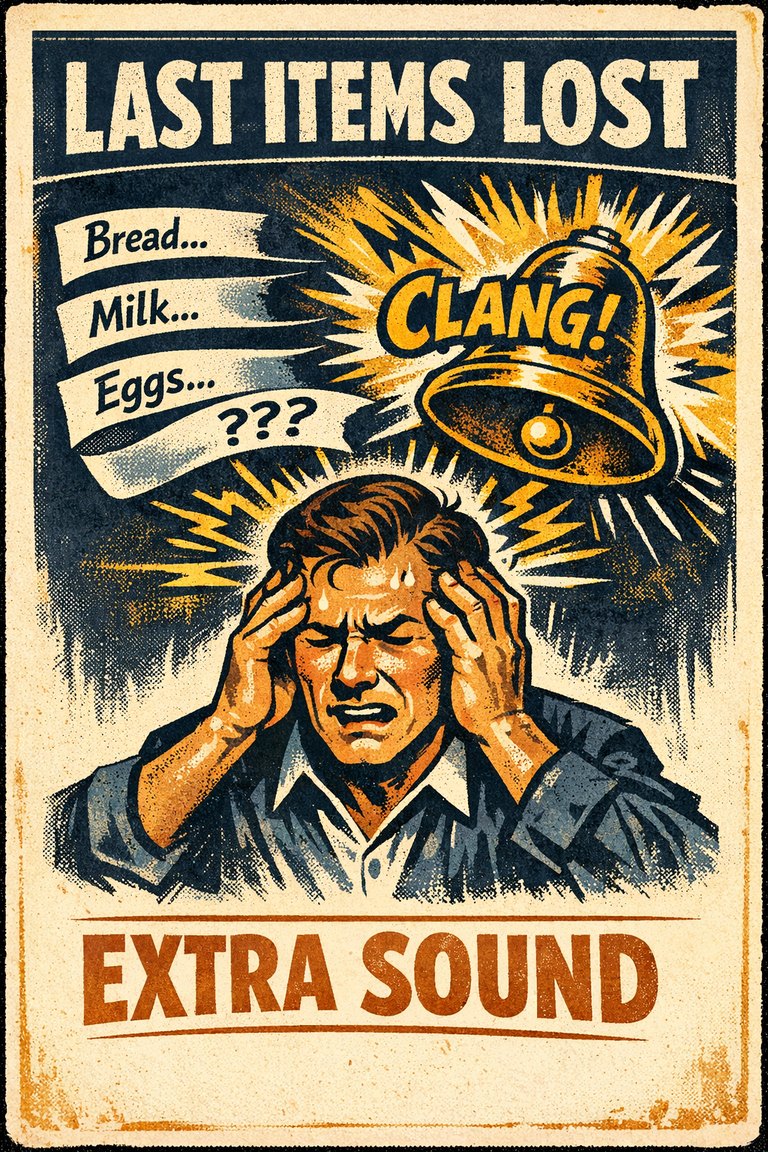
Diminishment of the recency effect because a sound item is appended to the list that the subject is not required to recall.
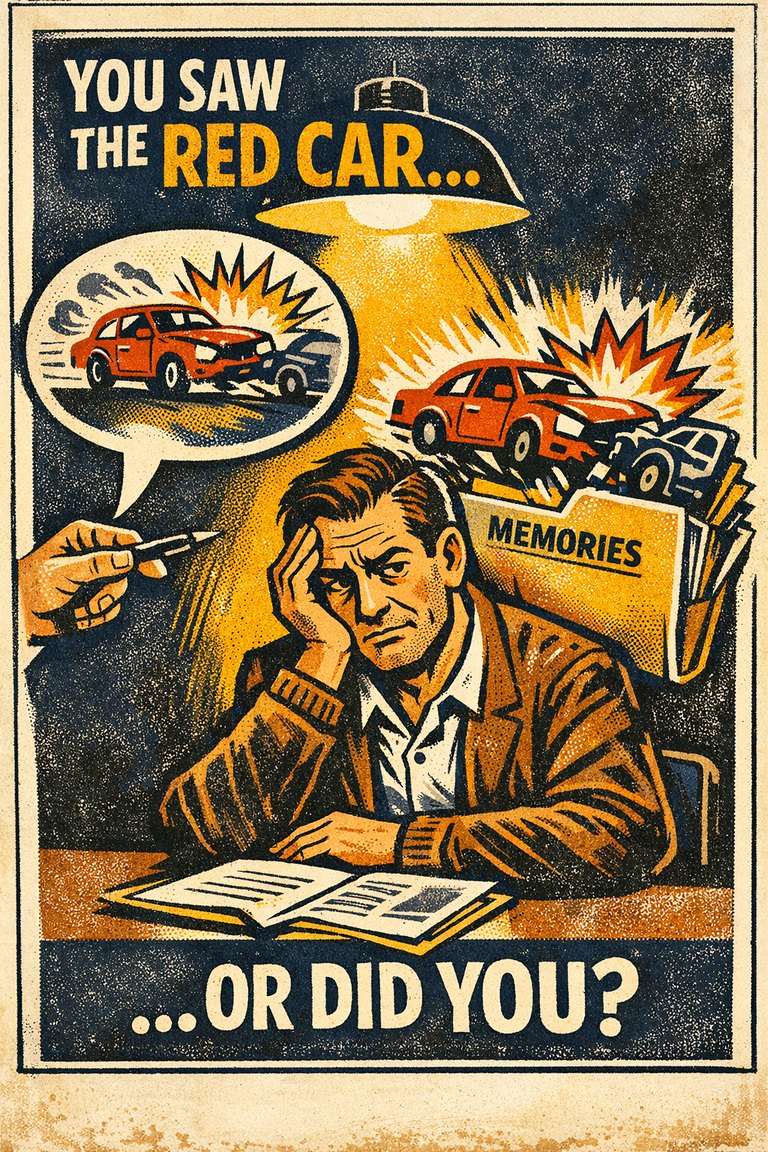
The tendency to absorb suggested details and later misremember them as one's own memory.
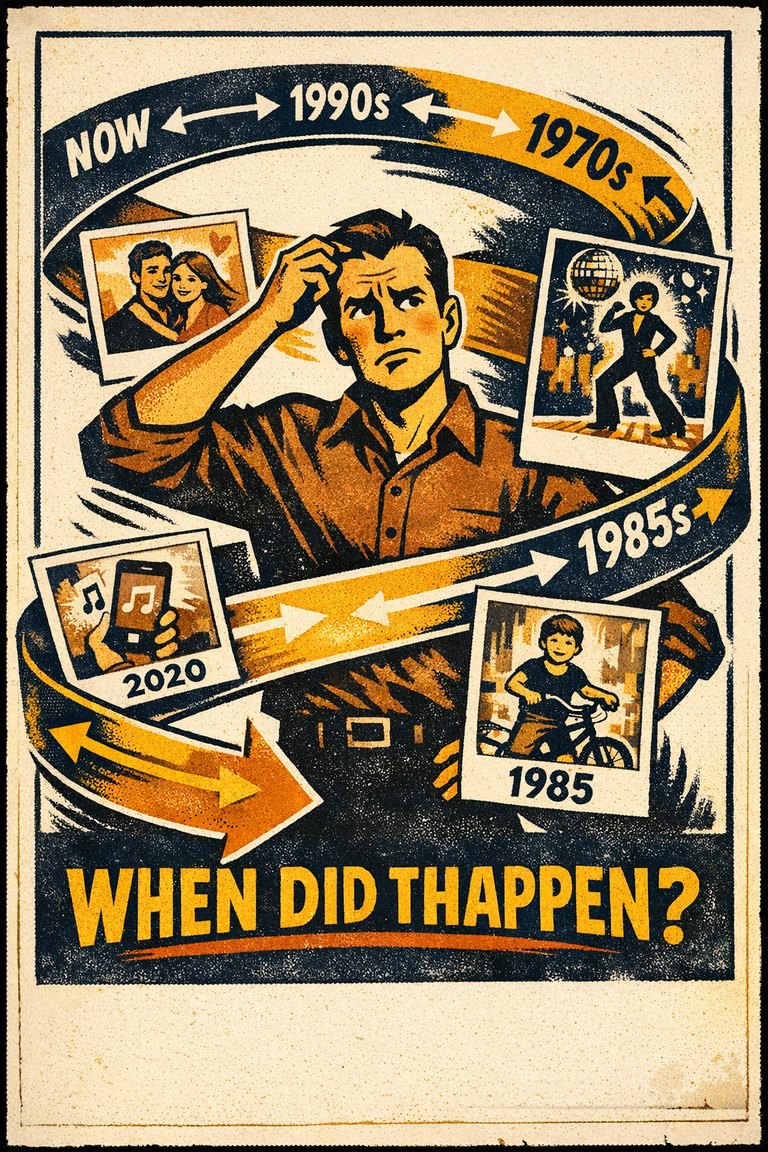
The tendency to displace recent events backwards in time and remote events forward in time, so that recent events appear more remote, and remote events, more recent.
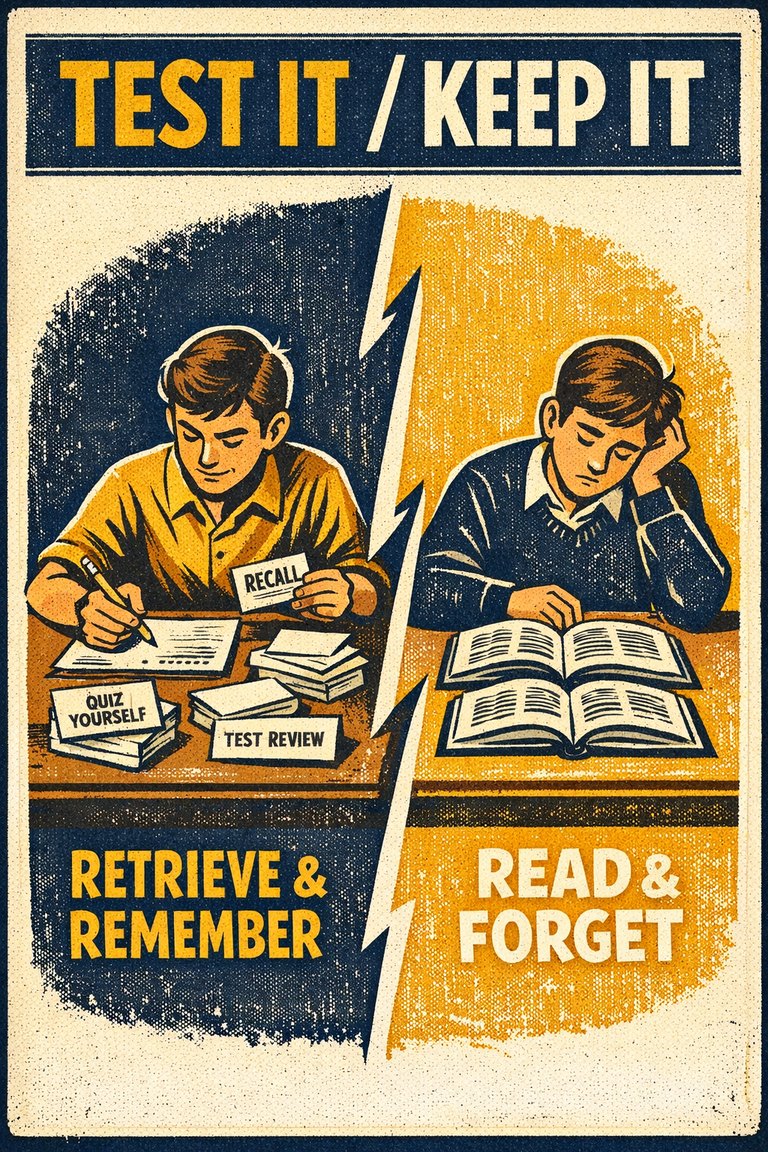
The fact that one more easily recall information one has read by rewriting it instead of rereading it.
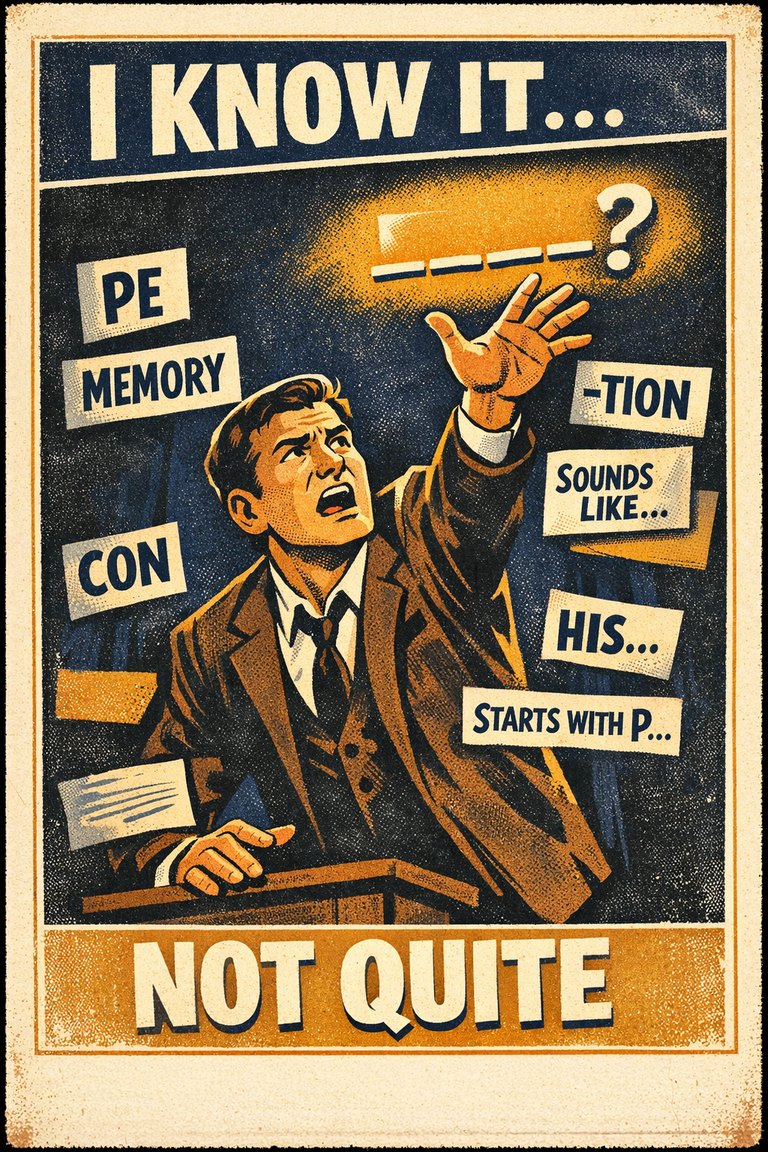
The tendency to partly retrieve a memory while remaining unable to pull up the needed word or item.
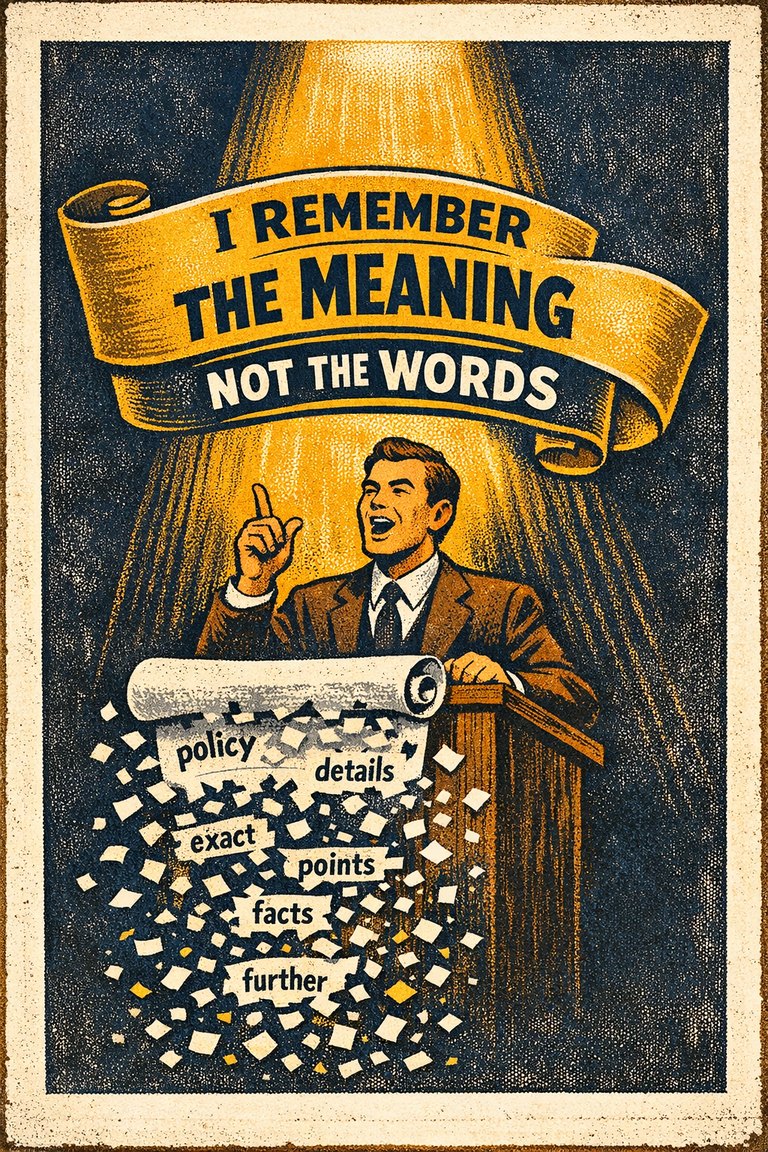
The tendency to remember the gist of what was said better than the exact wording.
The tendency to remember an item better when it stands out from its surroundings.

The tendency to remember unfinished or interrupted tasks better than completed ones.