A New Scale of Social Desirability Independent of Psychopathology
The classic measurement source behind social-desirability response tendencies in self-report.
Cognitive Biases
A practical cognitive-bias site with clear definitions, learning paths, assessments, self-audits, and debiasing tools.
Theory Article
An article on how self-report shifts under observation, embarrassment, and audience cost long before anyone intentionally decides to lie.
People often imagine dishonest self-report as a conscious choice between truth and deception. In many everyday cases the shift is subtler. The audience changes what answer feels appropriate, survivable, or socially coherent to give.
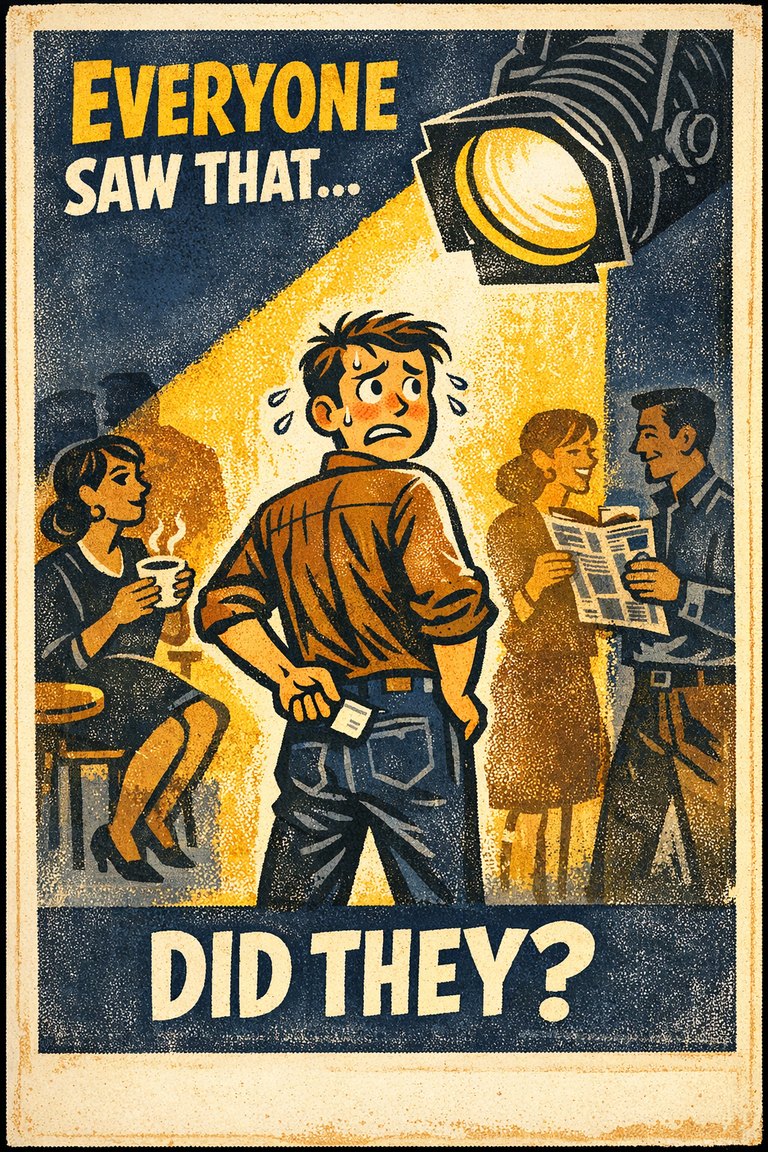
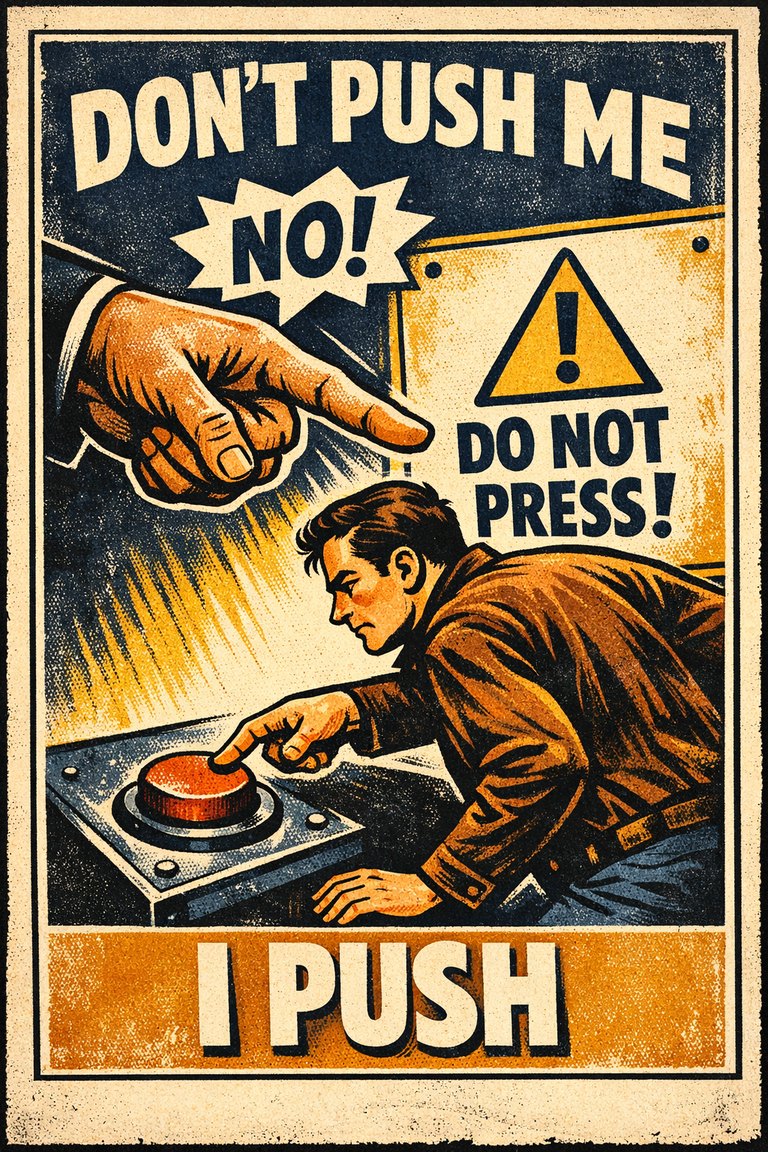
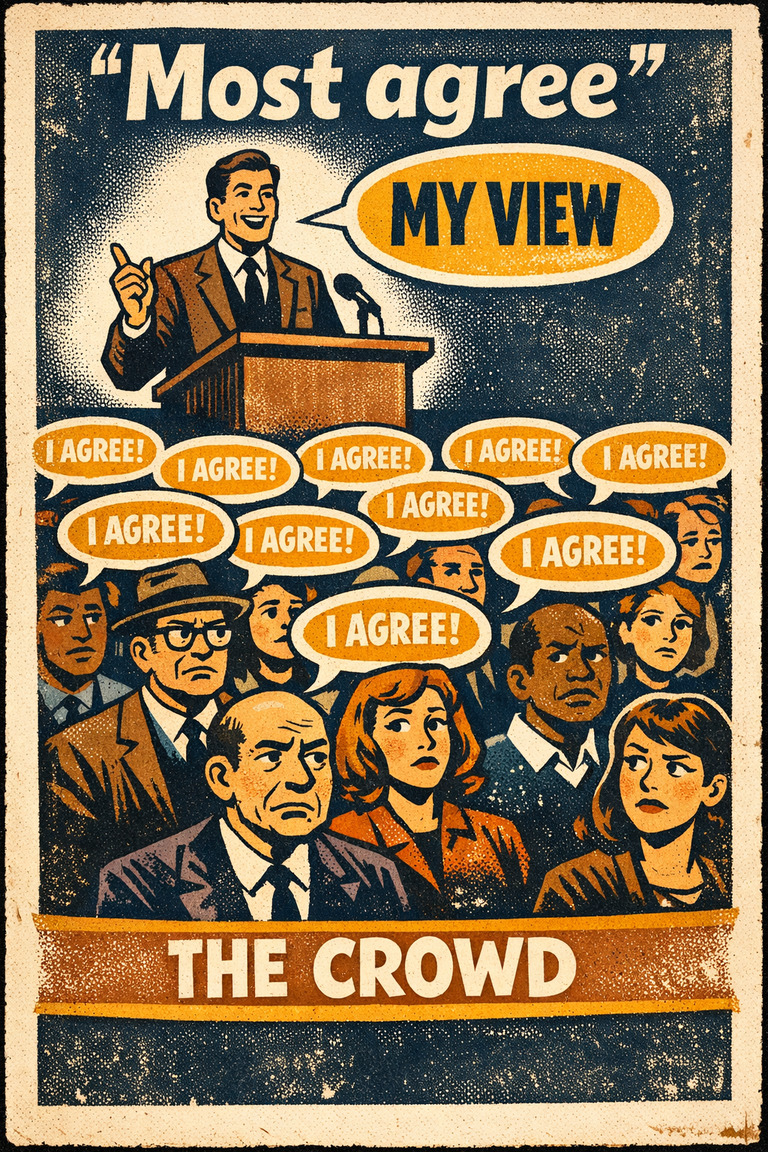
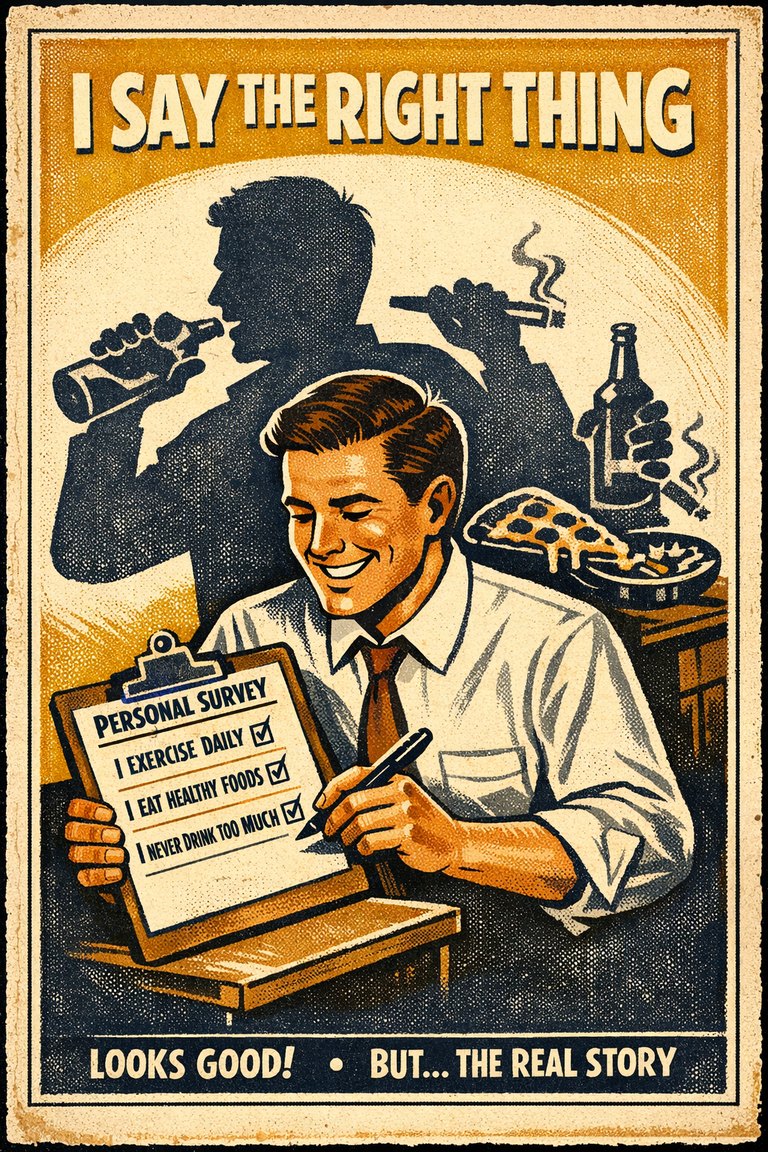
Social desirability bias bends self-report toward what sounds admirable. Spotlight effect exaggerates how much others are noticing. Reactance can make pressure itself part of what is being resisted. Together they show that self-report and public behavior are rarely untouched by the social scene around them.
That is why the same person can give different answers under anonymity, under evaluation, and under coercive framing without experiencing all three answers as equally dishonest.
A survey, interview, or public question is not a neutral pipe that merely extracts truth. It is an environment with incentives, visibility, and threat cues. Change the environment and the answer can move even when the underlying person has changed very little.
Measurement design therefore becomes a cognitive-bias problem, not just a statistics problem.
Readers should treat polished public answers as data about two things at once: the underlying belief and the audience cost structure around expressing it plainly.
Once that becomes habitual, self-report gets interpreted more carefully and measured more intelligently.
Theory pages are editorial synthesis. These direct sources from the related bias pages keep the larger claims tied to the underlying literature.
The classic measurement source behind social-desirability response tendencies in self-report.
The flagship source for overestimating how much others notice one's appearance, behavior, or mistakes.
Brehm's original formulation of the autonomy-threat response that makes restriction itself motivationally important.
The defining paper for overestimating how widely one's own choices and views are shared.
The landmark paper that helped define implicit social cognition as a research program.
A modern review that is useful for scope, methods, and caution around overclaiming what implicit measures can show.
Use these entry pages after the article if you want the same theory translated into more concrete diagnostic and repair tools.
The tendency to over-report socially approved attitudes or behaviors and under-report the ones likely to invite embarrassment, judgment, or sanction.
The tendency to overestimate how much other people notice, remember, or care about one's appearance, mistakes, or behavior.
The tendency to push back against a perceived attempt to limit one's freedom of choice, sometimes by moving toward the very option one was being steered away from.
The tendency to overestimate how many other people share one's own beliefs, preferences, habits, or reactions.
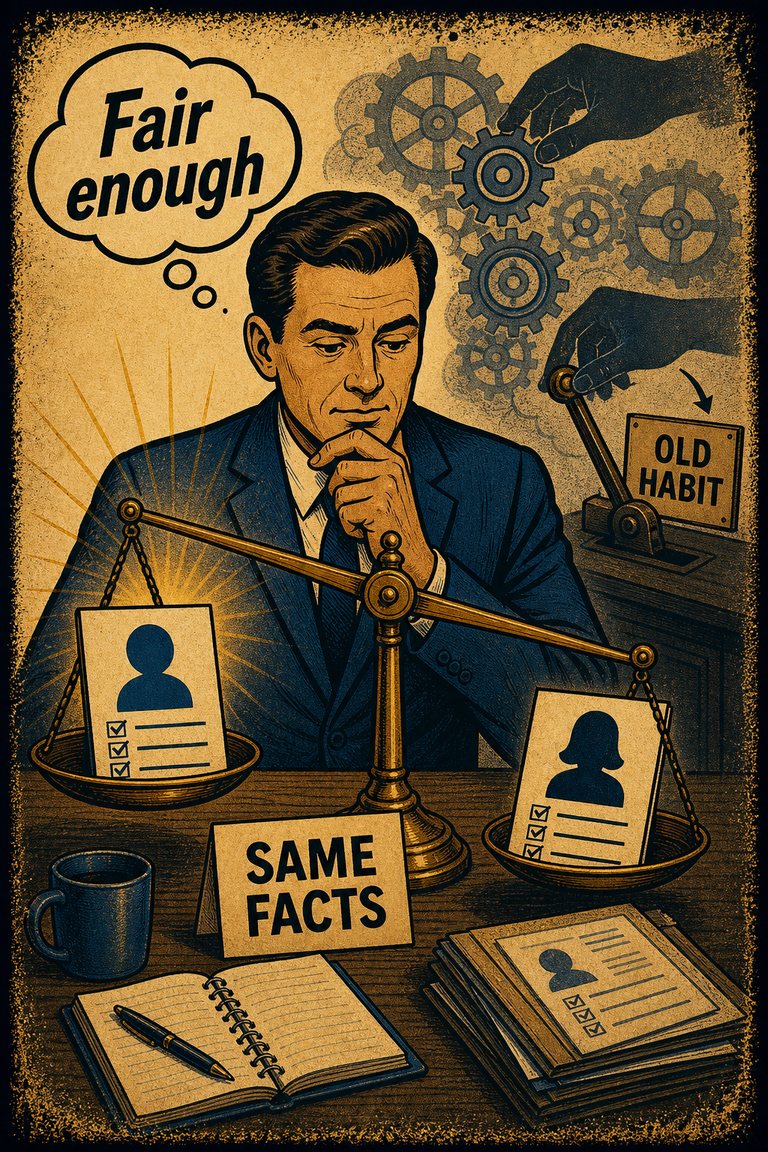
The underlying attitudes and stereotypes that people unconsciously attribute to another person or group of people that affect how they understand and engage with them. Many researchers suggest that unconscious bias occurs automatically as the brain makes quick judgments based on past experiences and background