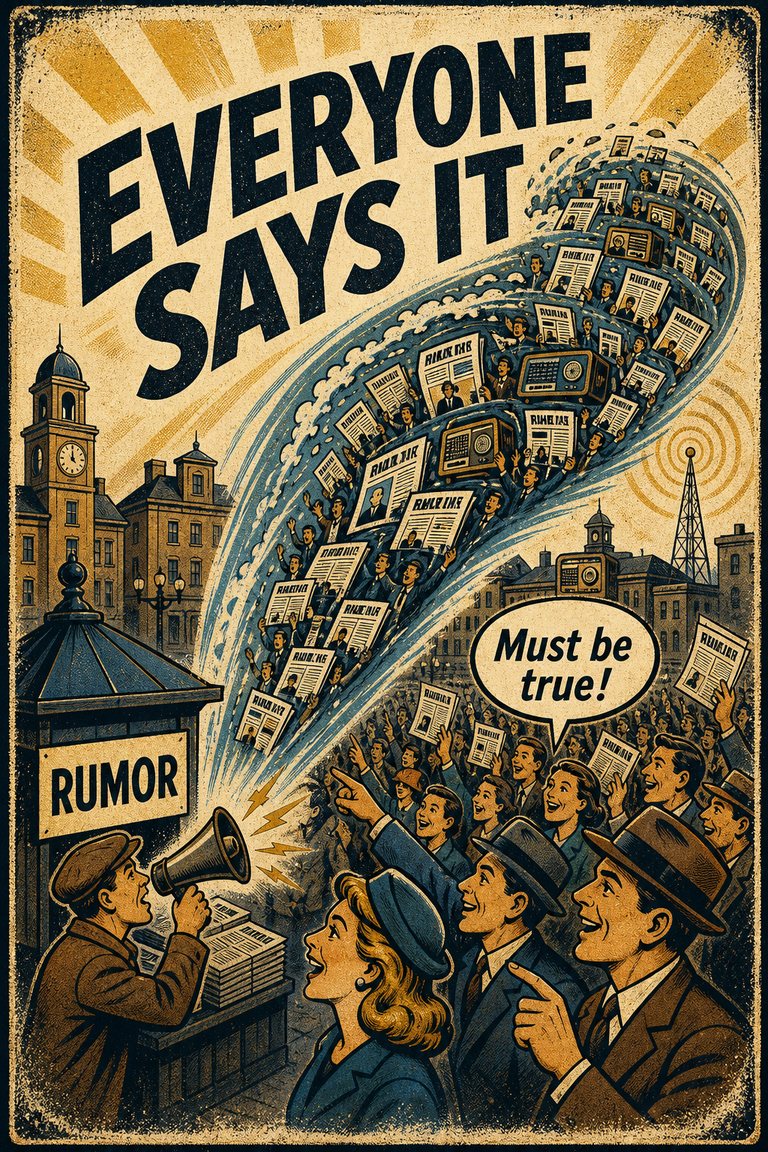
Availability cascade
A belief becoming more plausible through repeated public repetition, social uptake, and feedback.
Hypothesis AssessmentAssociation

Cognitive Biases
A practical cognitive-bias site with clear definitions, learning paths, assessments, self-audits, and debiasing tools.
Theory Article
A theory article on how repetition, uptake, and residue can make weak claims feel progressively more settled without substantially improving the evidence underneath them.
One of the hardest media-literacy lessons is that repeated claims can simulate the feel of multi-source support. A story gets circulated, picked up, simplified, corrected badly, and recirculated until the social experience of hearing it begins to masquerade as evidential depth.
Availability cascade raises plausibility through repetition. Bandwagon effect adds follow-the-crowd momentum. Continued influence effect keeps the first explanatory frame alive even after it is corrected. By the time all three processes have done their work, people can feel as though they have encountered many reasons when they have mainly encountered one socially reinforced narrative.
This is why debiasing public claims cannot stop at identifying falsehood. It also has to identify the circulation structure that made the claim feel repeatedly rediscovered.
Corrections frequently subtract without replacing. They tell people what is no longer true but do not provide a satisfying causal frame for what is true instead. The old explanation remains easier to think with, so it keeps leaking back into reasoning.
That is one reason 'we already debunked this' so often sounds stronger than it functions. Social and cognitive residue can survive sincere acknowledgment of the correction.
Readers need separate boxes for source count, repetition count, and uptake count. They also need a habit of asking what alternative story should fill the space once a bad frame is removed.
A teaching site should therefore train users not only to ask whether a claim is wrong, but also why it kept feeling right after the fix.
Use these entry pages after the article if you want the same theory translated into more concrete diagnostic and repair tools.
A belief becoming more plausible through repeated public repetition, social uptake, and feedback.
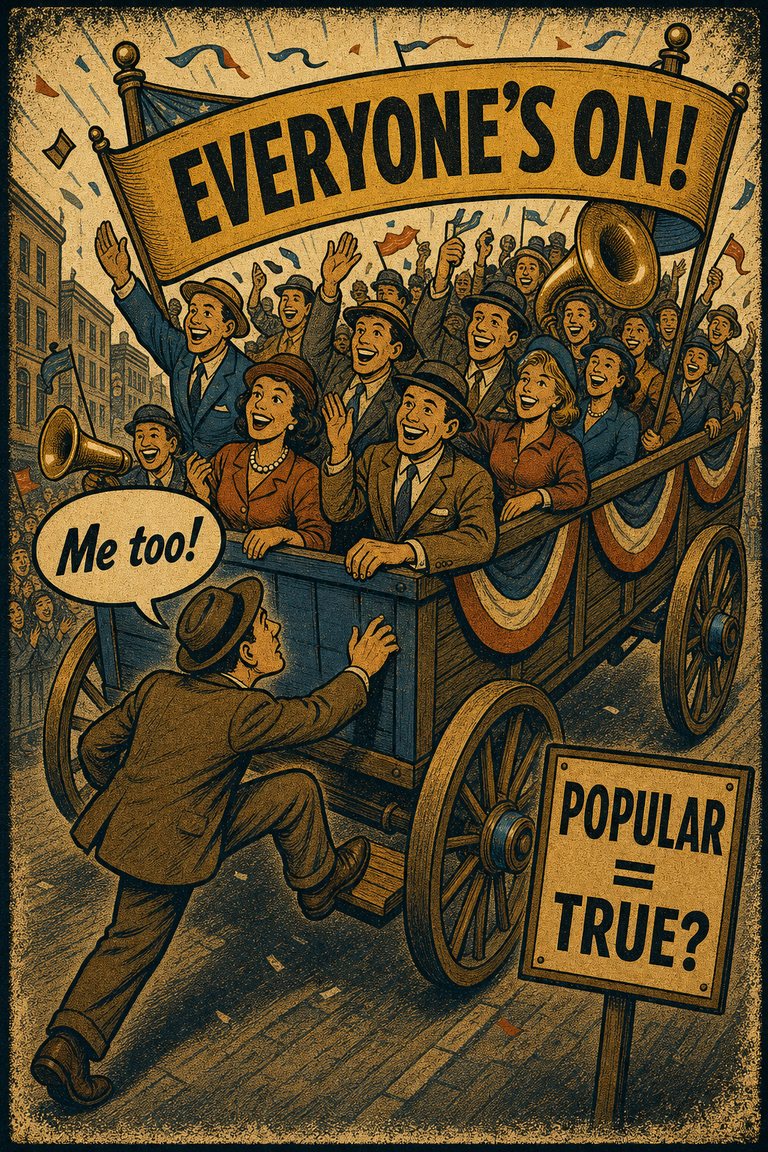
The tendency to do things because many other people do the same.
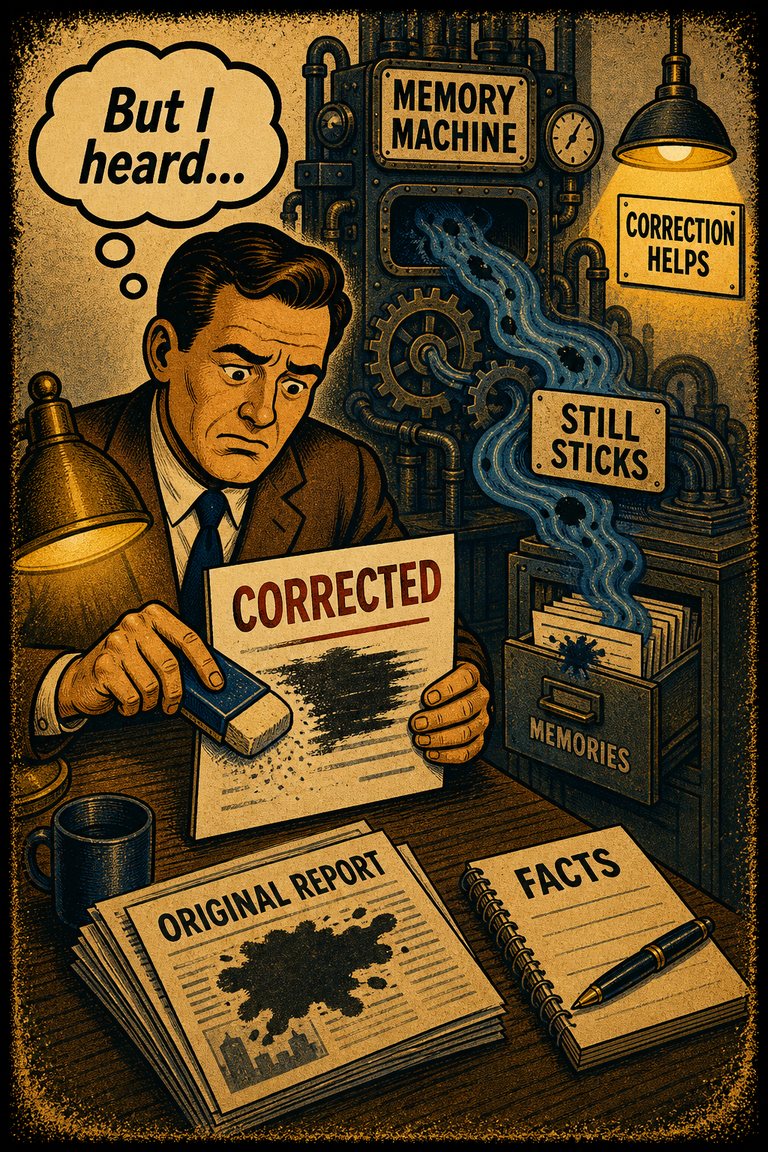
Misinformation continues to influence memory and reasoning about an event, despite the misinformation having been corrected.
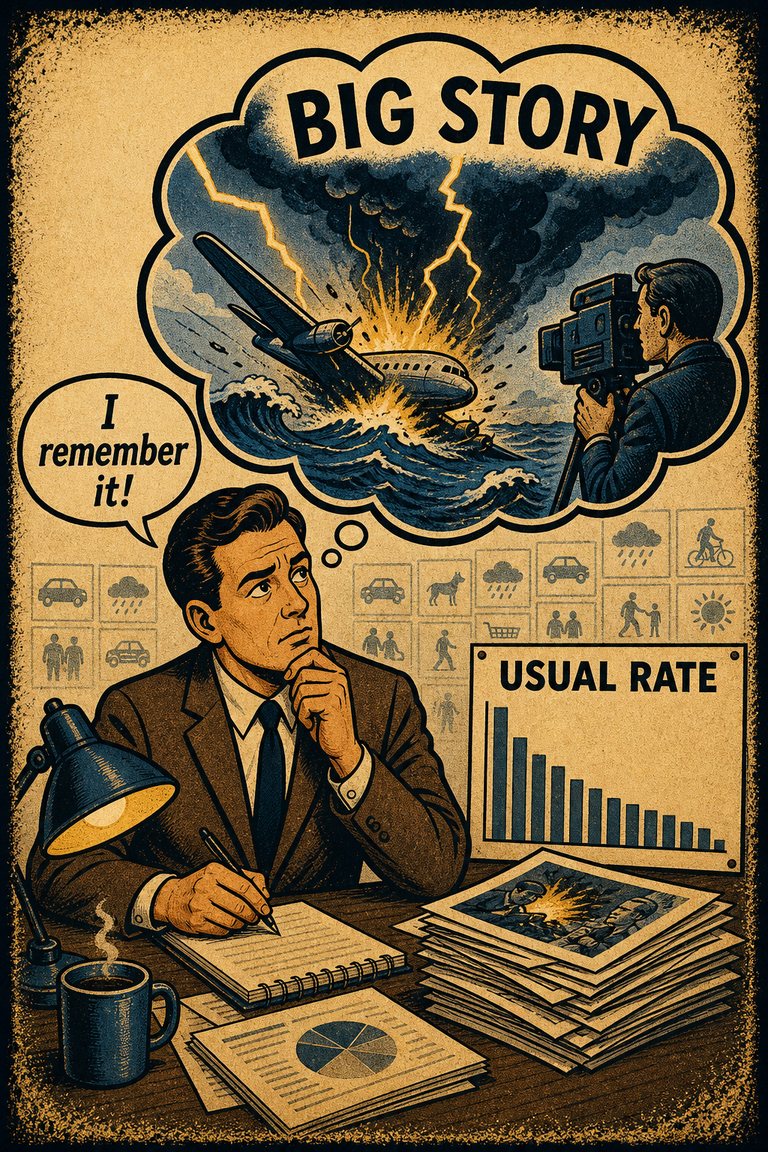
The tendency to judge frequency, risk, or importance by how easily examples come to mind.
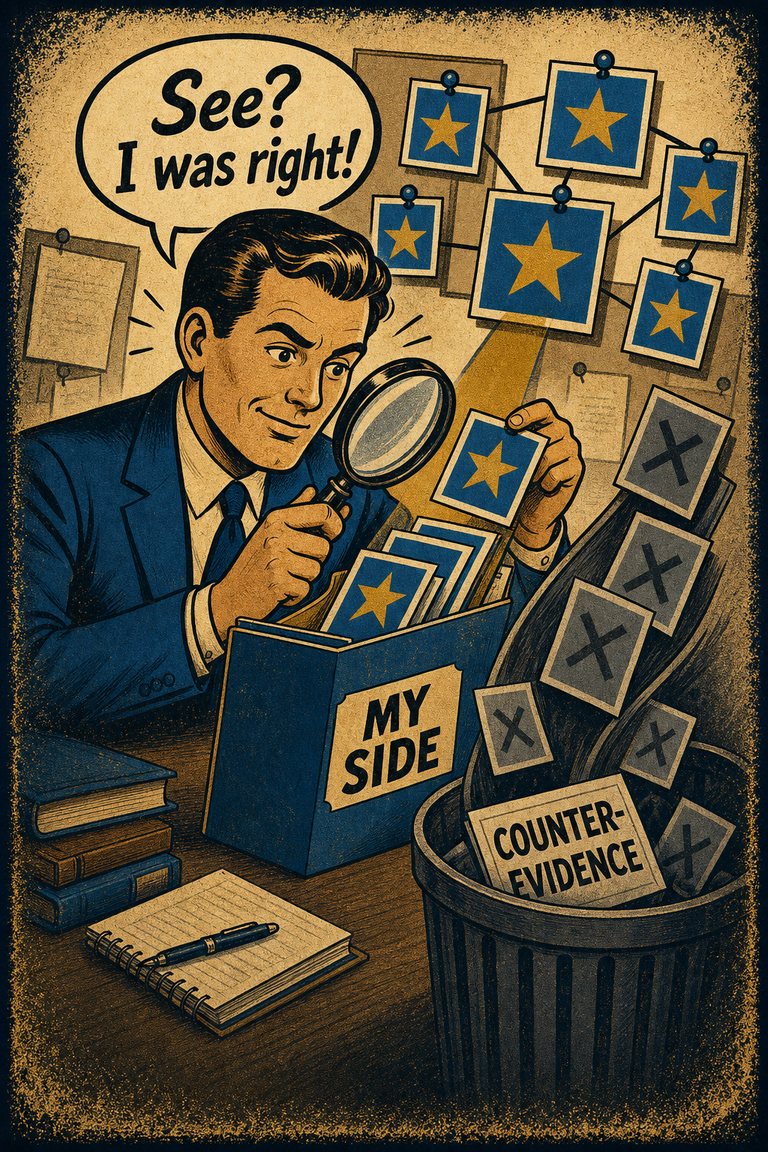
The tendency to notice, seek, and remember evidence that supports the story you already prefer more readily than evidence that threatens it.