
Attentional bias
The tendency of perception to be affected by recurring thoughts.
RecallInertia

Cognitive Biases
A practical cognitive-bias site with clear definitions, learning paths, assessments, self-audits, and debiasing tools.
Pattern
Beliefs, habits, or commitments resist updating even when better movement is available.
This is the cross-cutting layer that helps the site feel more like a real reference and less like a flat list.
The tendency of perception to be affected by recurring thoughts.
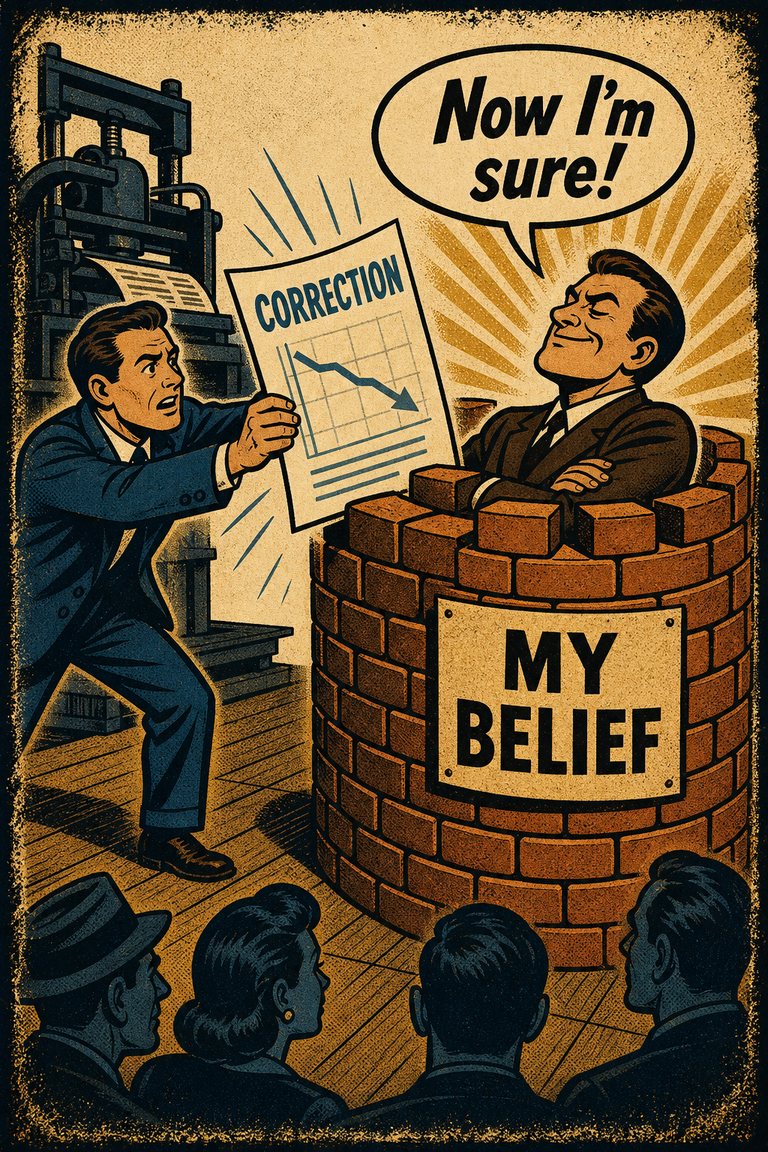
The tendency to react to disconfirming evidence by strengthening one's previous beliefs.
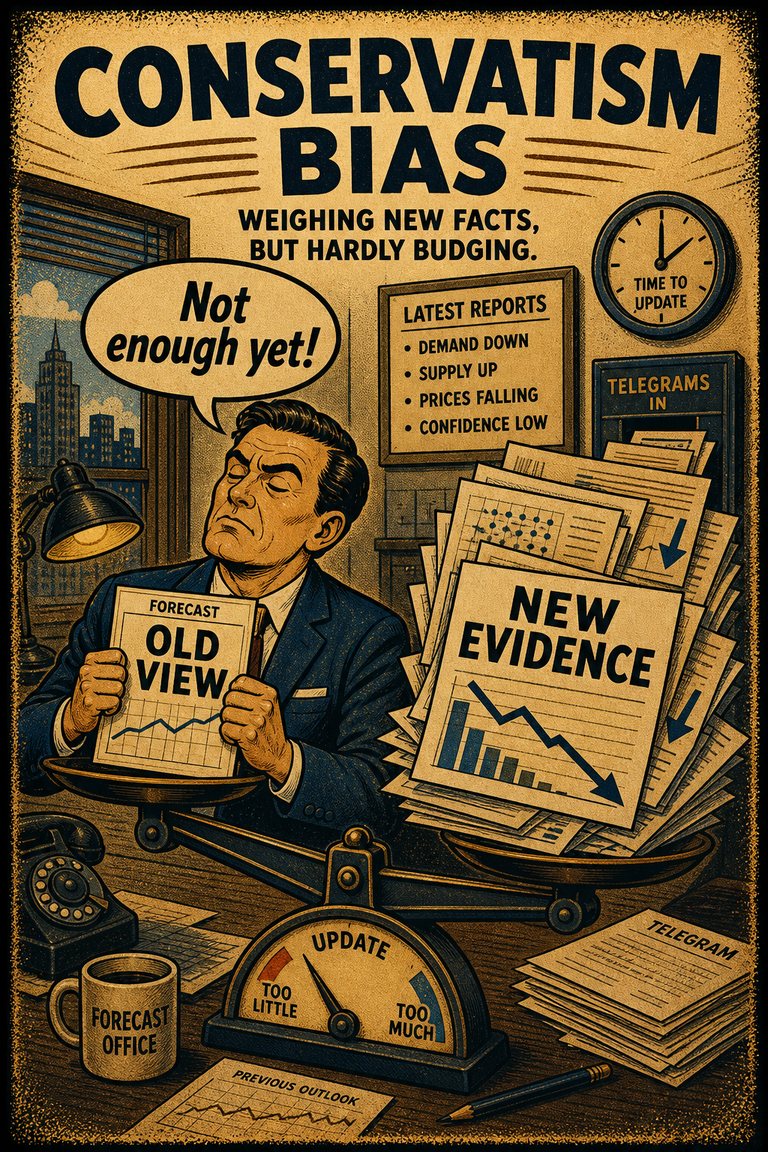
The tendency to insufficiently revise one's belief when presented with new evidence.
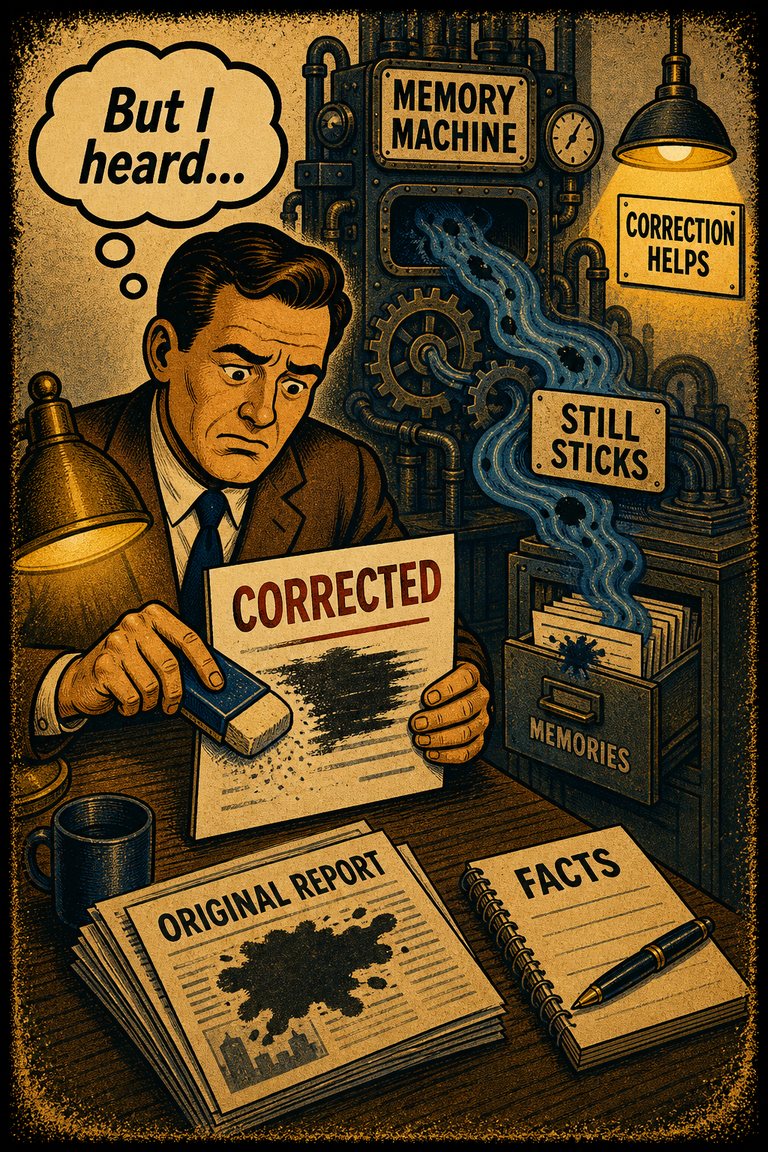
Misinformation continues to influence memory and reasoning about an event, despite the misinformation having been corrected.
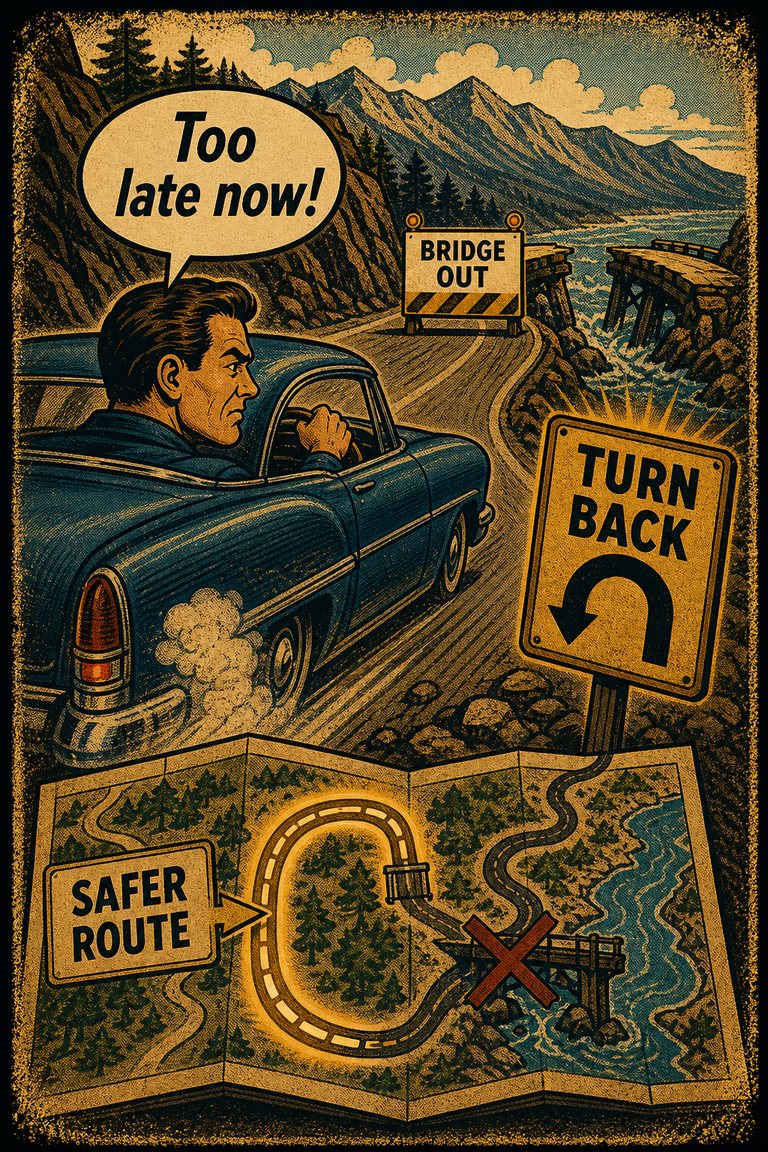
The tendency to resist restarting or retracing steps even when doing so would save time or effort.

The age-independent belief that one will change less in the future than one has in the past.
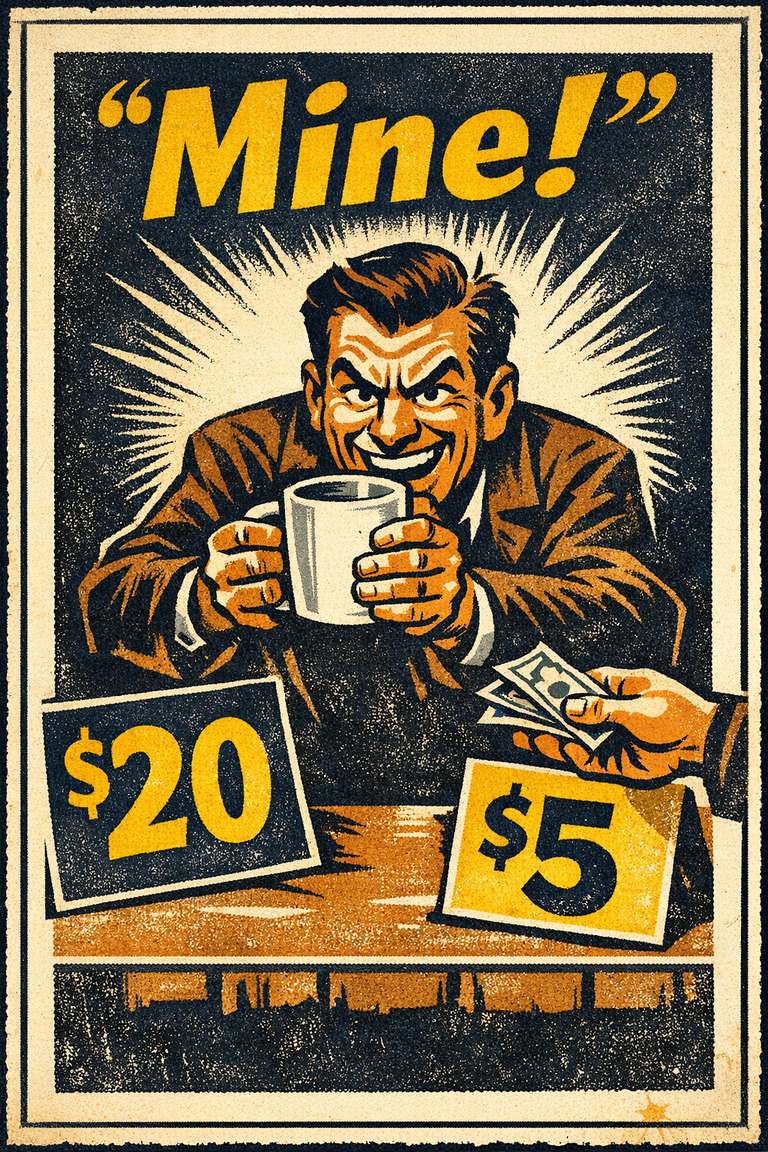
The tendency to value something more highly once it is already owned, possessed, or treated as part of the current arrangement.
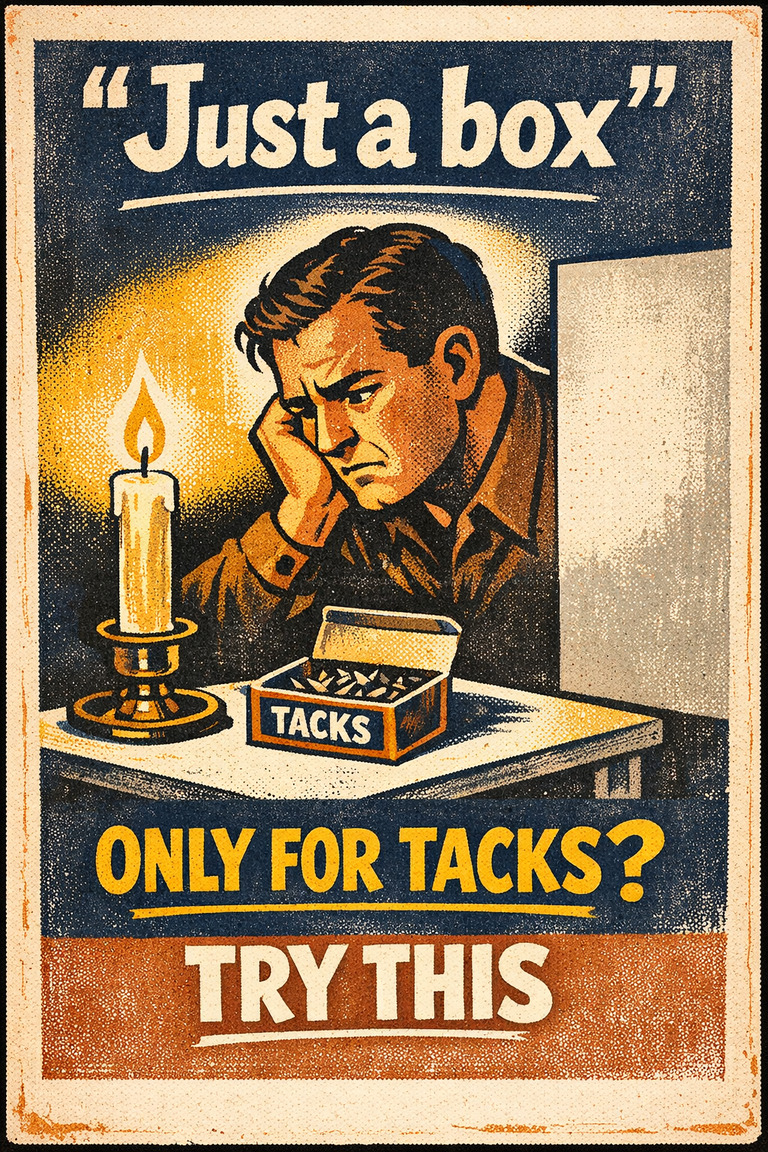
A tendency limiting a person to using an object only in the way it is traditionally used.

The tendency to like, trust, or feel more comfortable with something simply because it has become familiar.
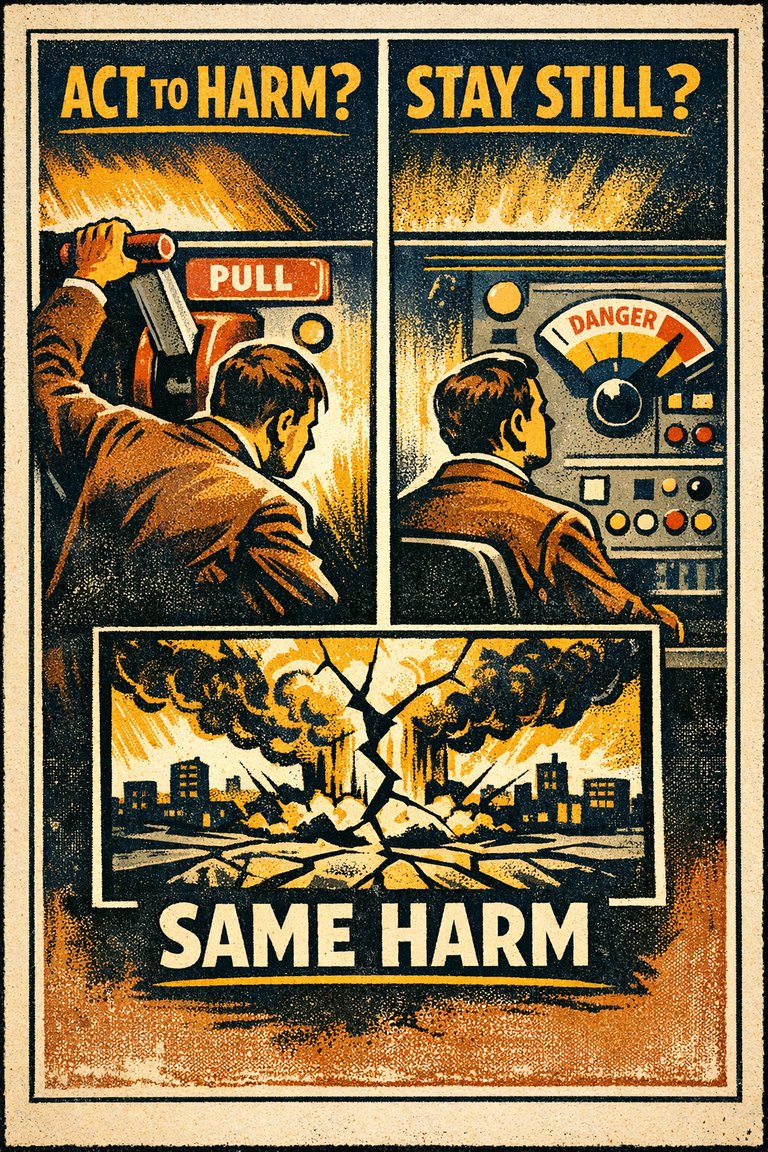
The tendency to judge harmful inaction as more acceptable, or less blameworthy, than equally harmful action.
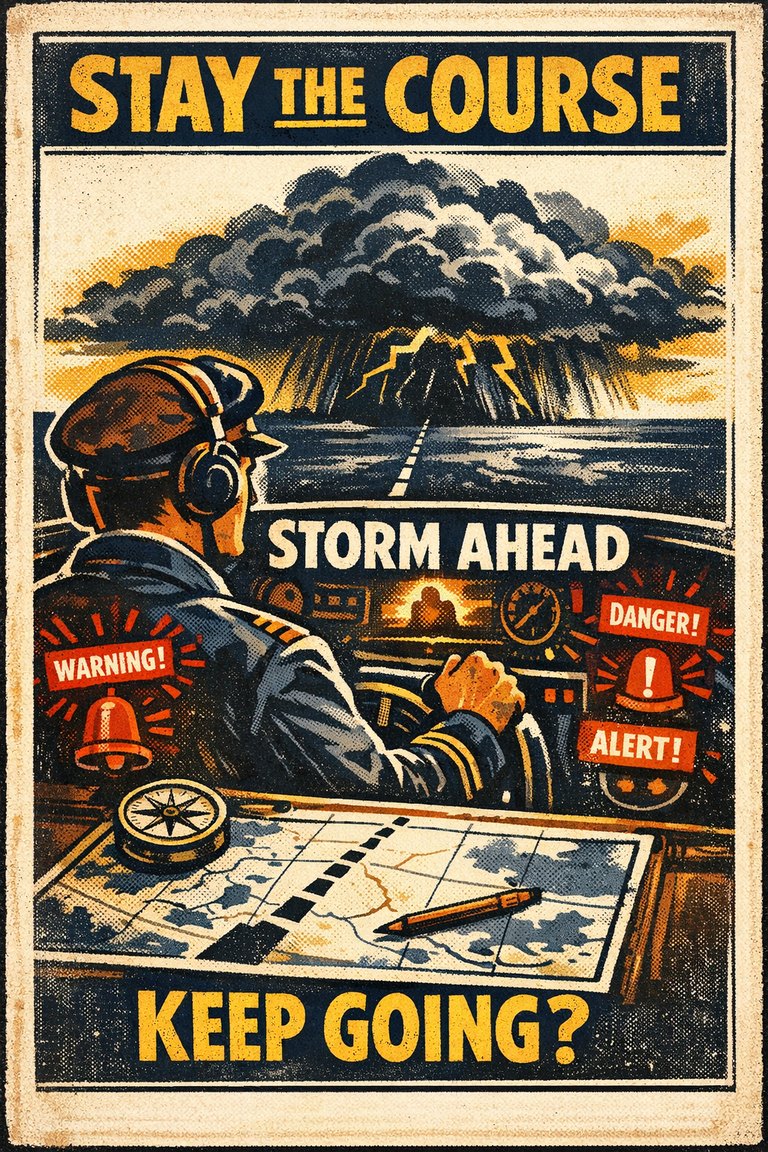
Failure to recognize that the original plan of action is no longer appropriate for a changing situation or for a situation that is different from anticipated.

The tendency to reject new evidence that contradicts a paradigm.

The tendency for groups to spend too much time discussing shared information and too little on unique information.
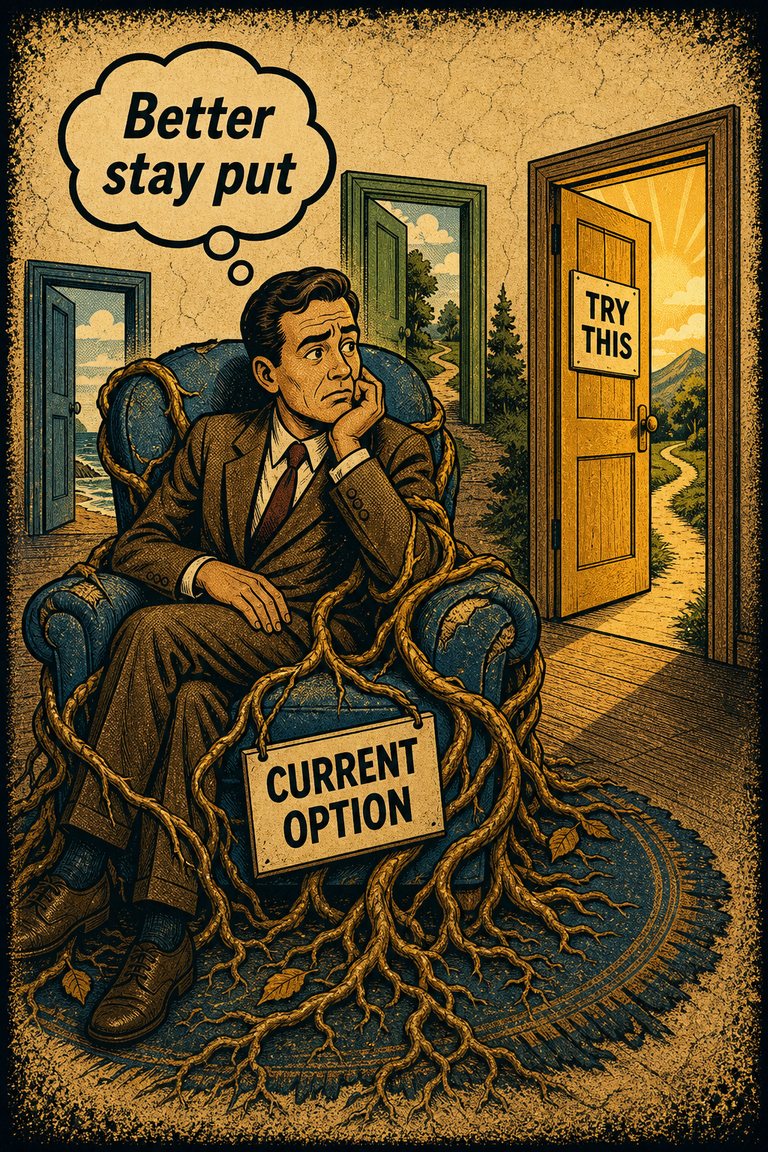
The tendency to prefer the current option, default, or inherited arrangement simply because it is the current option, default, or inherited arrangement.
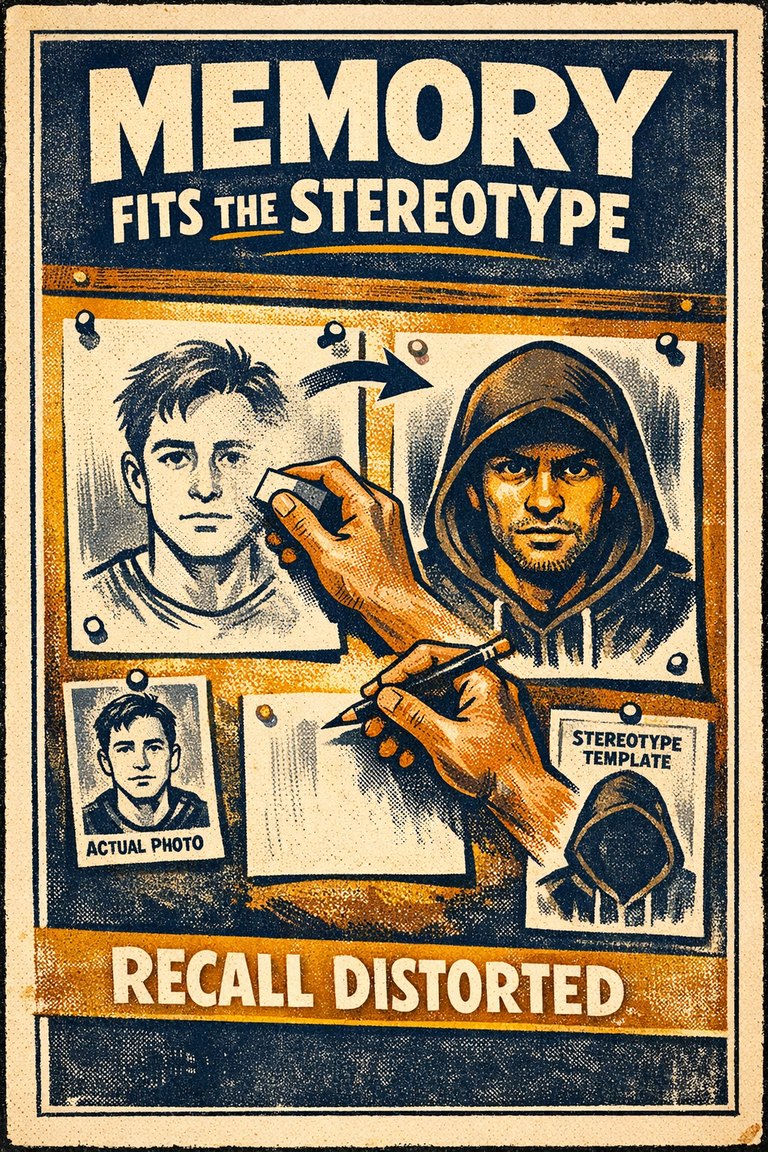
The tendency for memory or judgment to drift toward familiar social stereotypes.
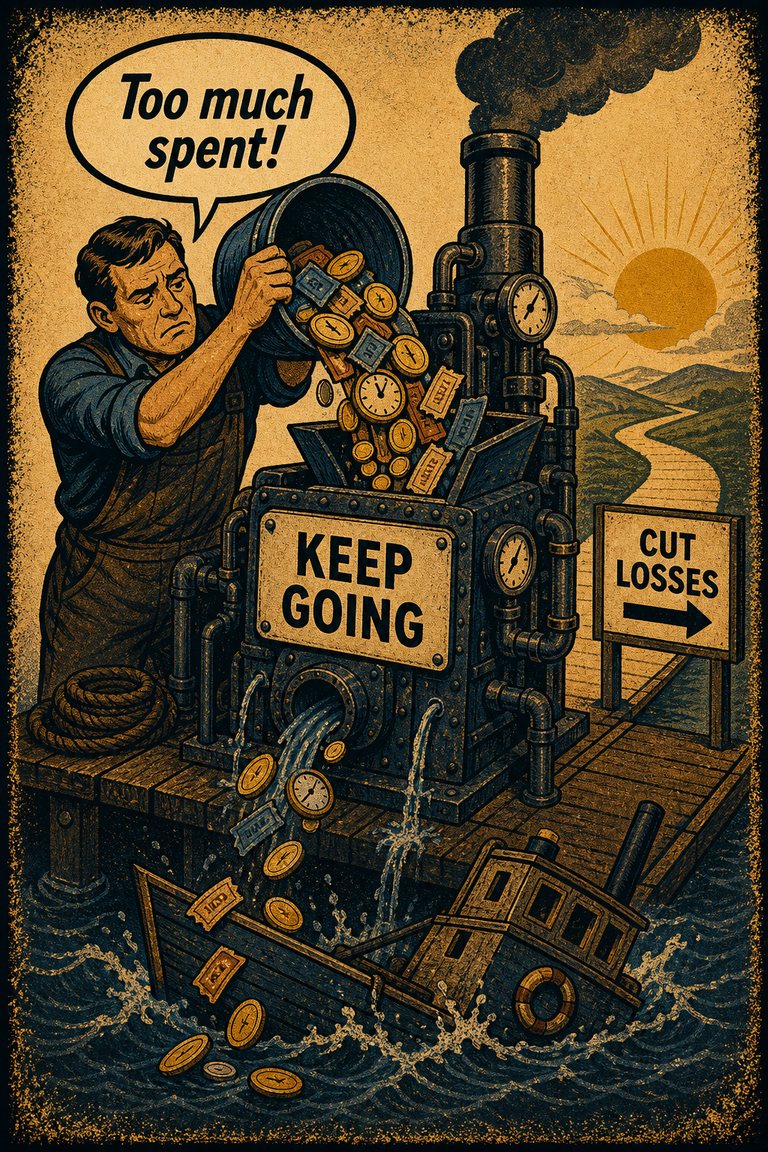
The tendency to keep investing in a losing path because of what has already been spent, even when the forward-looking case has weakened.
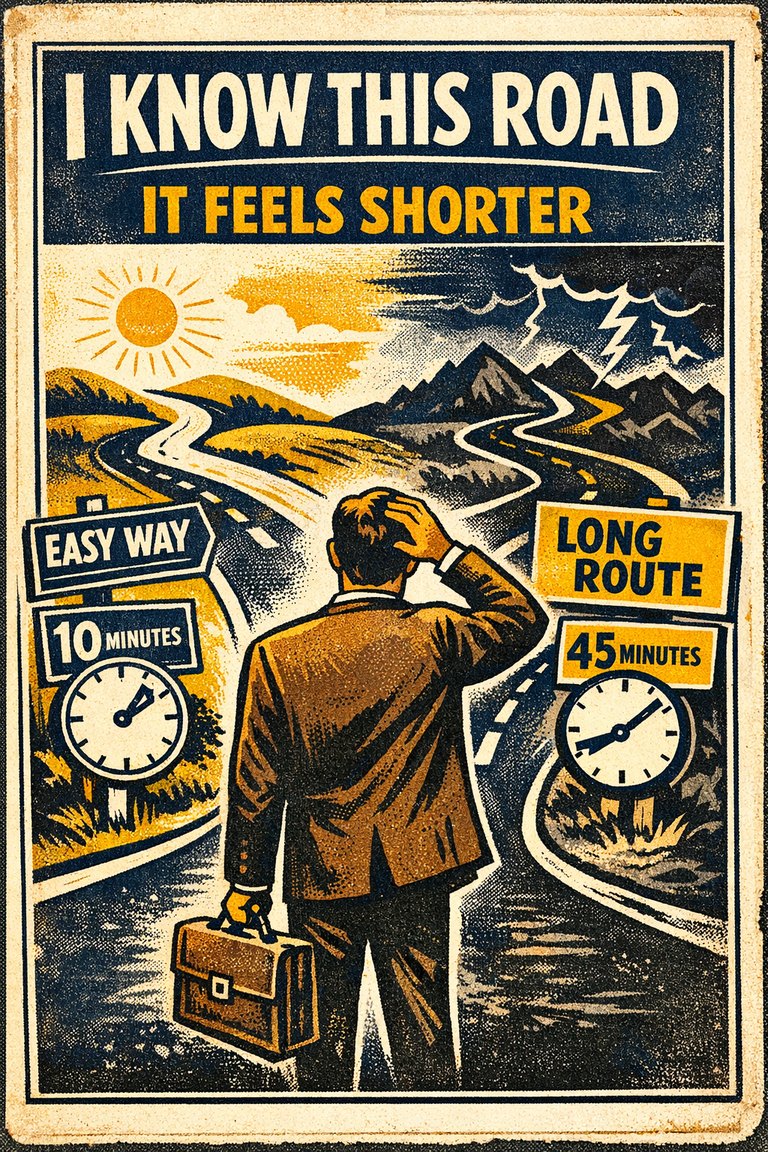
The tendency to underestimate the duration taken to traverse oft-travelled routes and overestimate the duration taken to traverse less familiar routes.