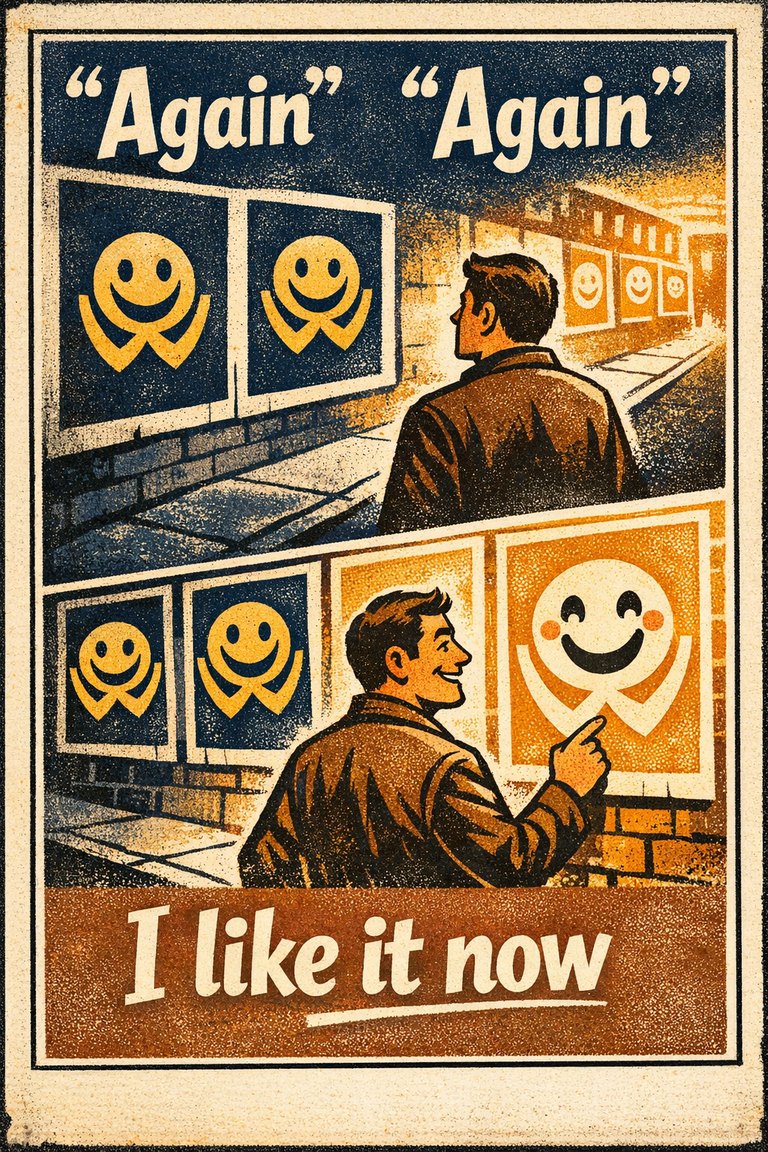
Mere exposure effect
The tendency to like, trust, or feel more comfortable with something simply because it has become familiar.
DecisionInertiaMedia & politicsPersonal decisions

Cognitive Biases
A practical cognitive-bias site with clear definitions, learning paths, assessments, self-audits, and debiasing tools.
Theory Article
An article on how repeated exposure, possession, and group identity can all make an option feel more worthy before explicit reasons have earned the difference.
Value does not arrive in the mind as a clean independent measure. It is often bent by proximity effects. The familiar thing feels safer, the owned thing feels more valuable, and the in-group thing feels more trustworthy.
Mere exposure effect turns repetition into liking. Endowment effect turns possession into valuation. Ingroup bias turns social belonging into preferential treatment and interpretive generosity.
Each one uses a different route, but all three show how a form of closeness can start impersonating merit.
None of these biases have to feel irrational. The familiar option may feel easier to process, the owned option may feel meaningfully connected to the self, and the in-group option may feel more legible because it comes with shared context.
That is what makes them durable. They do not look like distortions. They look like sensible comfort with the known and the near.
The repair is not to become detached from everything near to you. It is to ask what the verdict would be if the closeness variable were reduced or hidden. Would the same option still win if it were unfamiliar, unowned, or out-group?
That question often reveals how much value judgment has already been preloaded by context.
Use these entry pages after the article if you want the same theory translated into more concrete diagnostic and repair tools.
The tendency to like, trust, or feel more comfortable with something simply because it has become familiar.

The tendency to value something more highly once it is already owned, possessed, or treated as part of the current arrangement.

The tendency to favor, trust, defend, or positively interpret people and claims associated with one's own group more readily than comparable outsiders.

The tendency for one salient positive or negative impression to spill over into unrelated judgments about a person, product, or institution.

The tendency to favor the preselected or default option simply because it is already positioned as the path of least resistance.
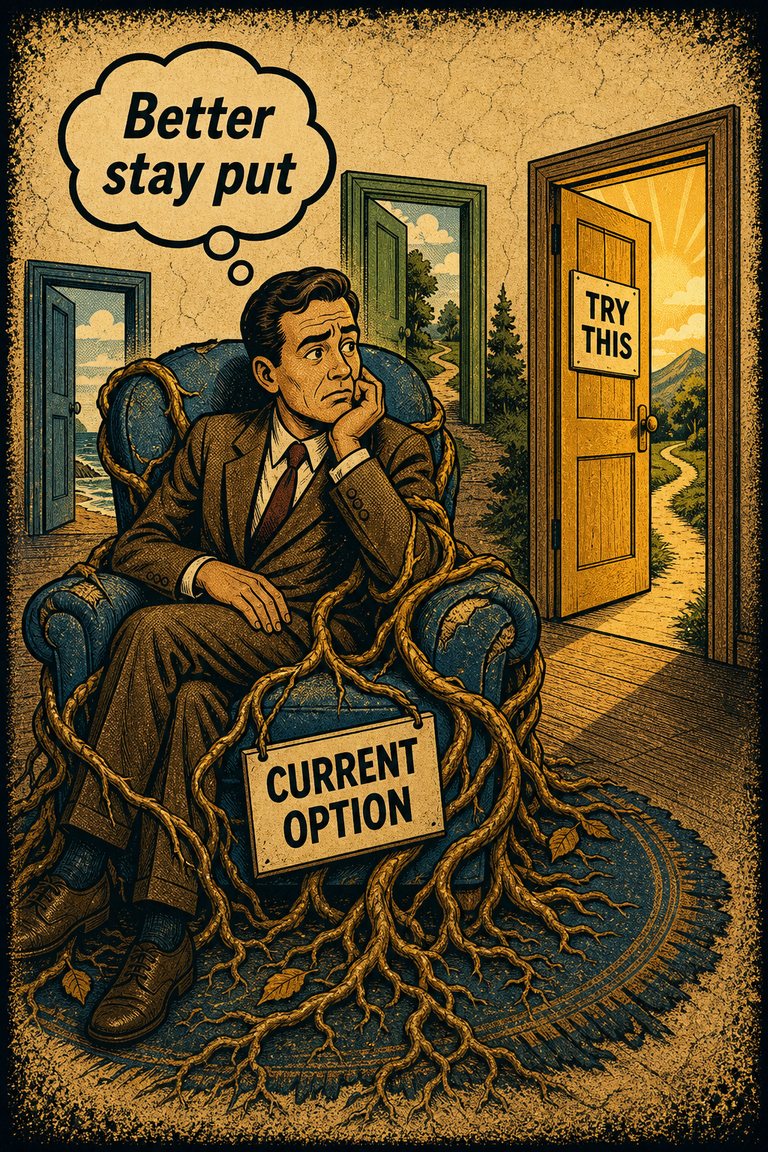
The tendency to prefer the current option, default, or inherited arrangement simply because it is the current option, default, or inherited arrangement.