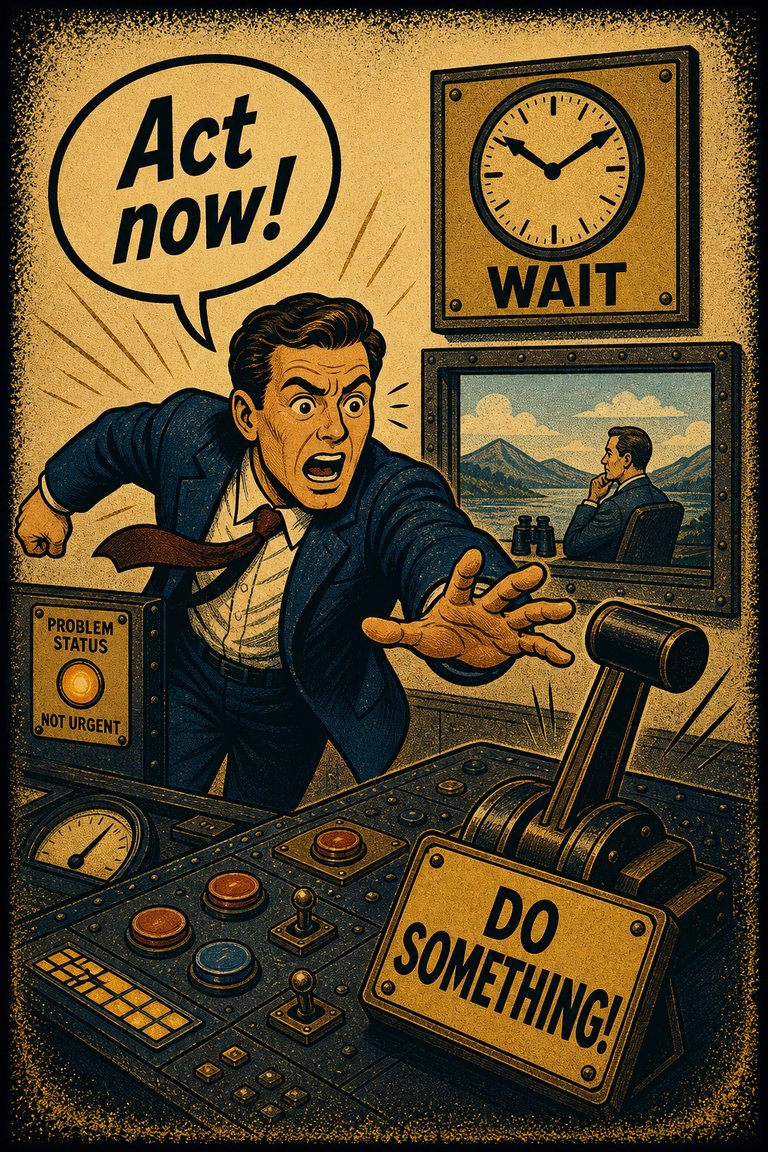
Action bias
The tendency for someone to act when faced with a problem even when inaction would be more effective, or to act when no evident problem exists.
DecisionBaseline

Cognitive Biases
A practical cognitive-bias site with clear definitions, learning paths, assessments, self-audits, and debiasing tools.
Pattern
Judgment is pulled by the wrong starting point, default frame, or prior expectation.
This is the cross-cutting layer that helps the site feel more like a real reference and less like a flat list.
The tendency for someone to act when faced with a problem even when inaction would be more effective, or to act when no evident problem exists.
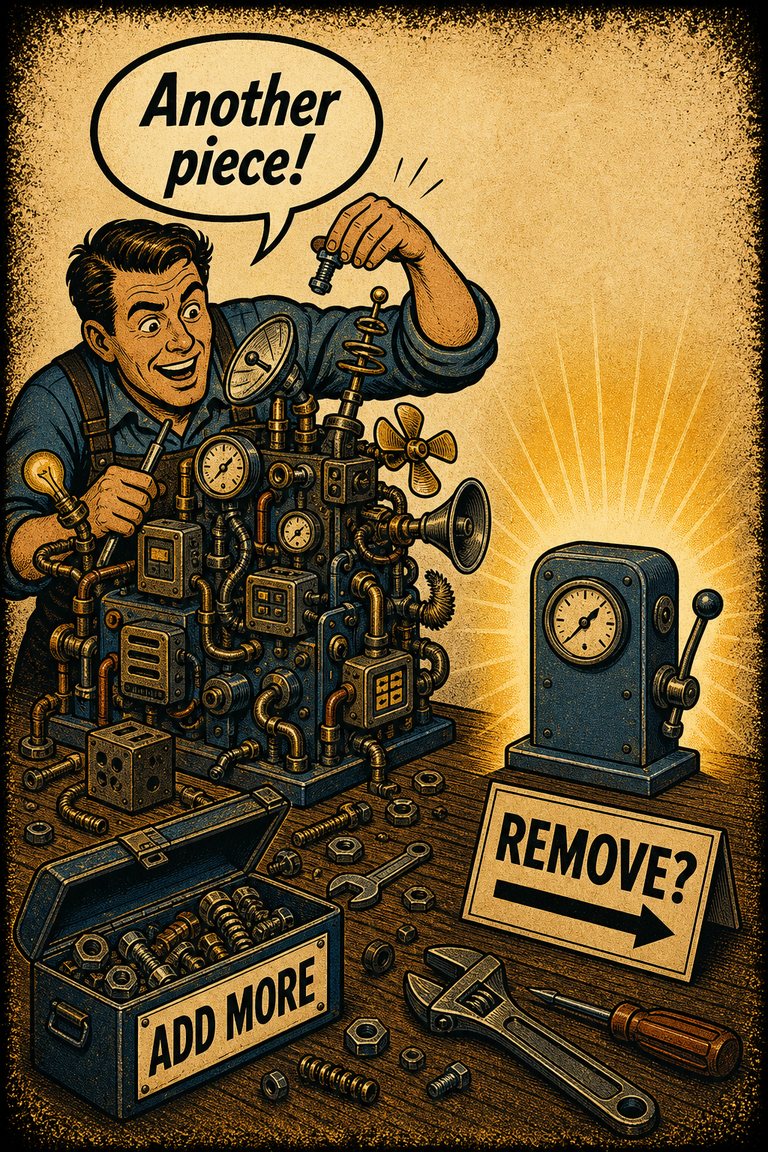
The tendency to solve problems through addition, even when subtraction is a better approach.
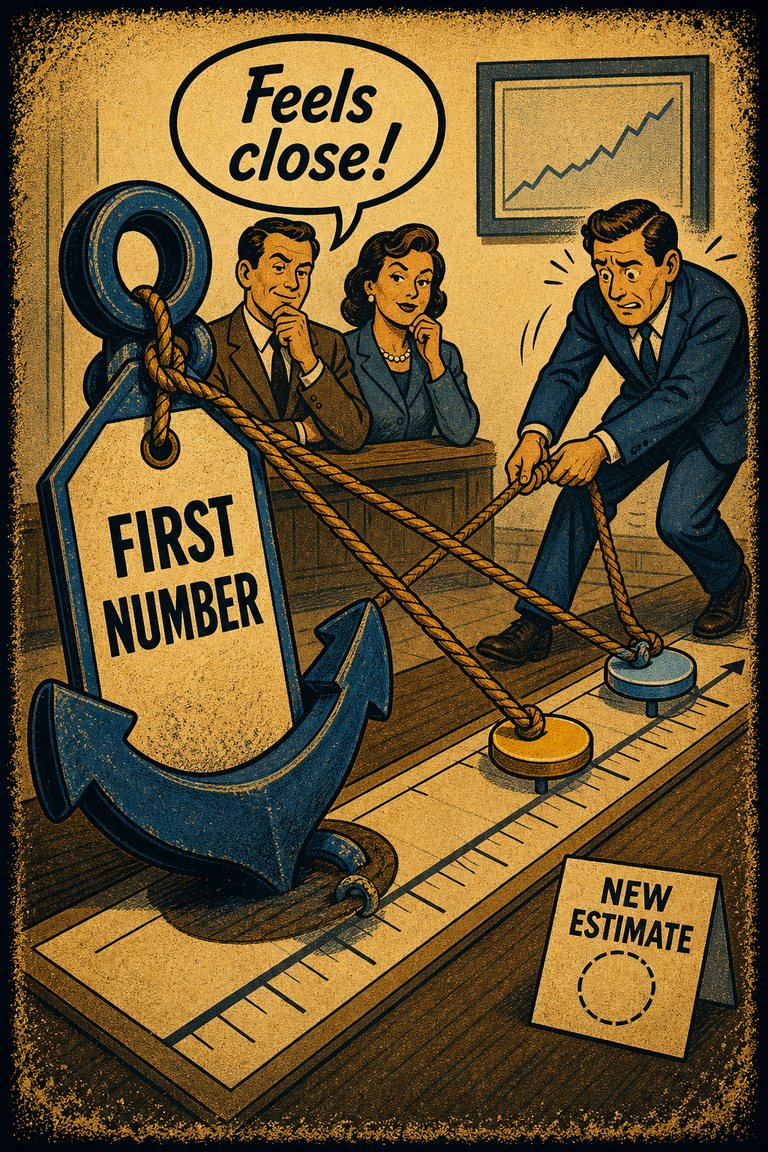
The tendency for the first salient number, frame, or option to pull later estimates toward itself even when it is arbitrary or weakly relevant.

The tendency for candidates listed first on a ballot to gain a small voting advantage.
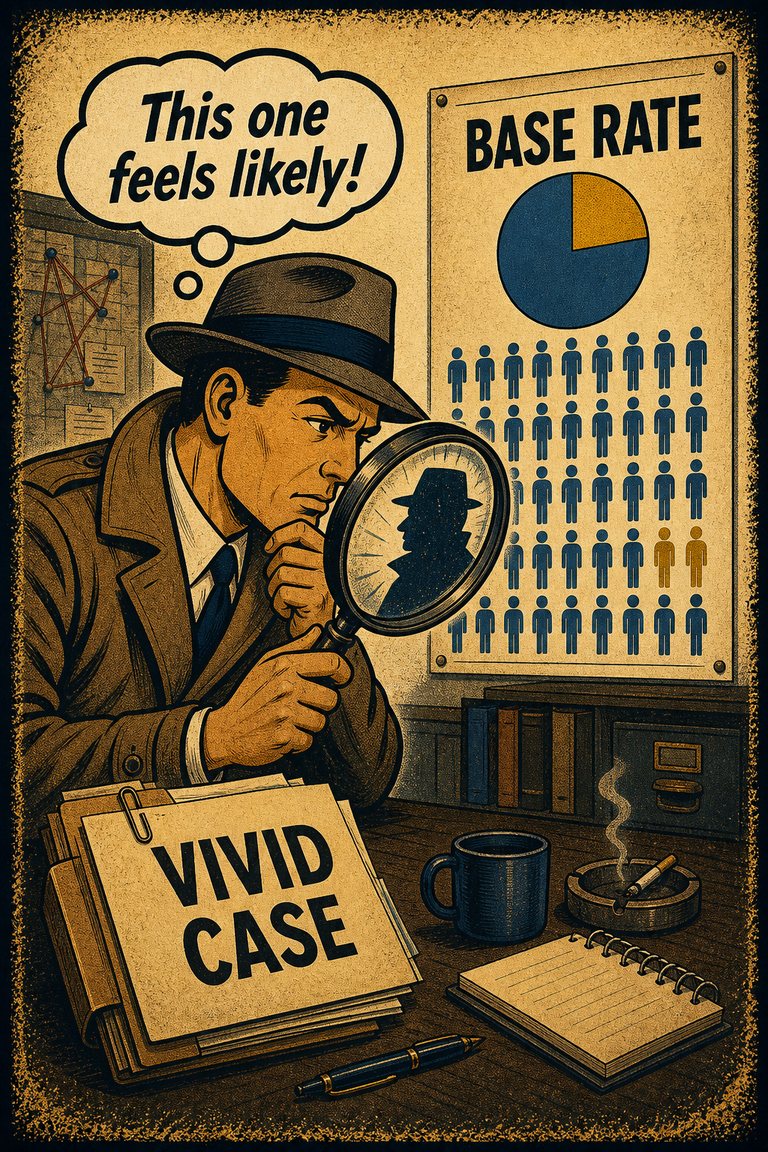
The tendency to underweight general prevalence information when vivid case-specific details are available.
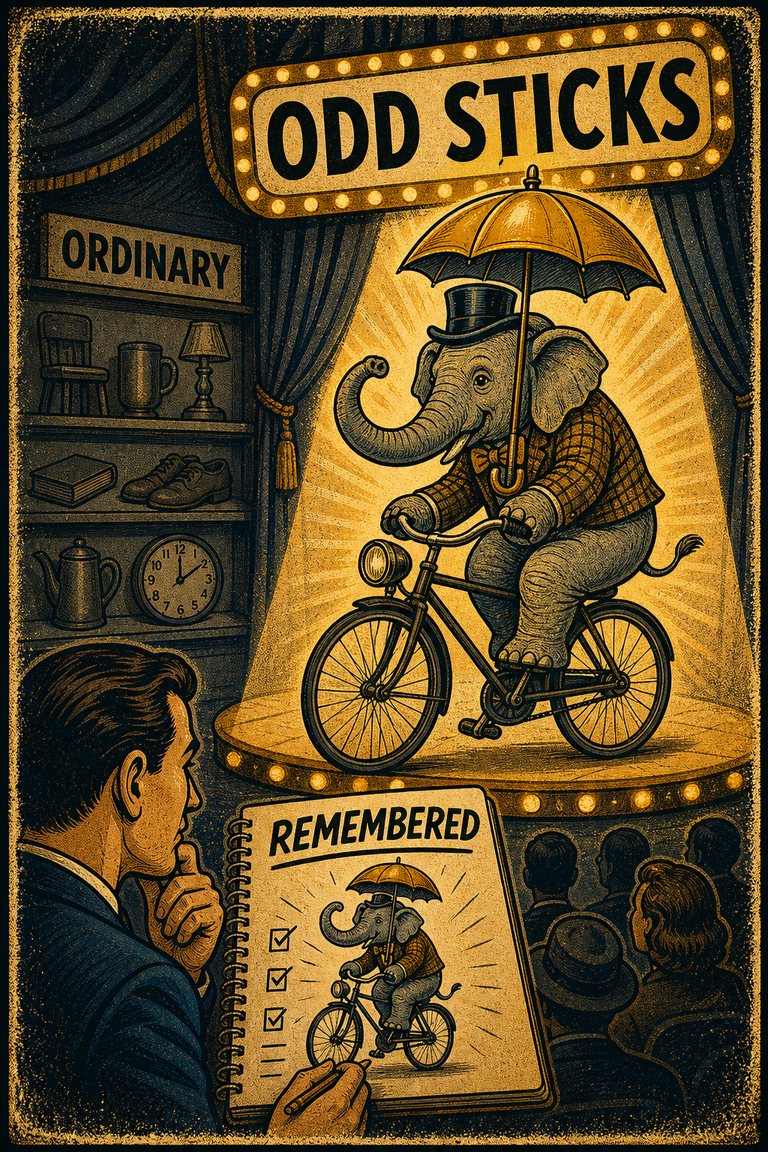
The tendency to remember bizarre or unusual material better than ordinary material.

The tendency for people to appear more attractive in a group than in isolation.
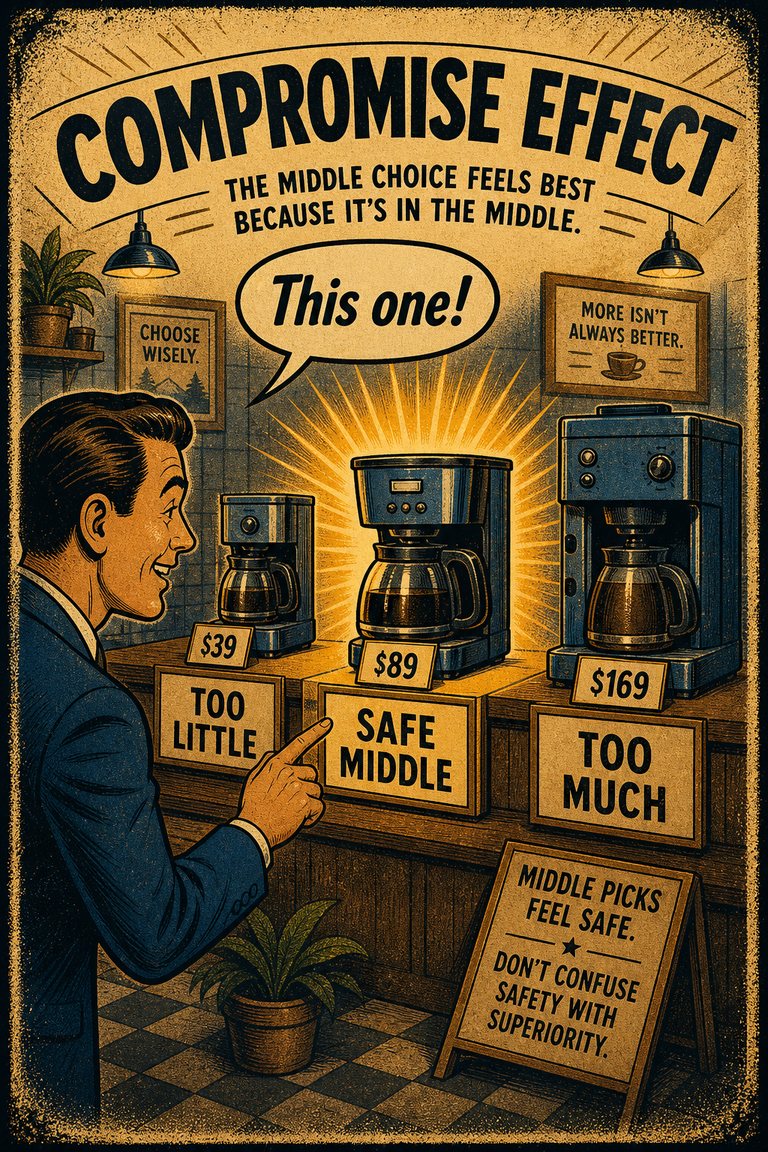
The tendency for an option to seem better when it appears as a middle compromise.
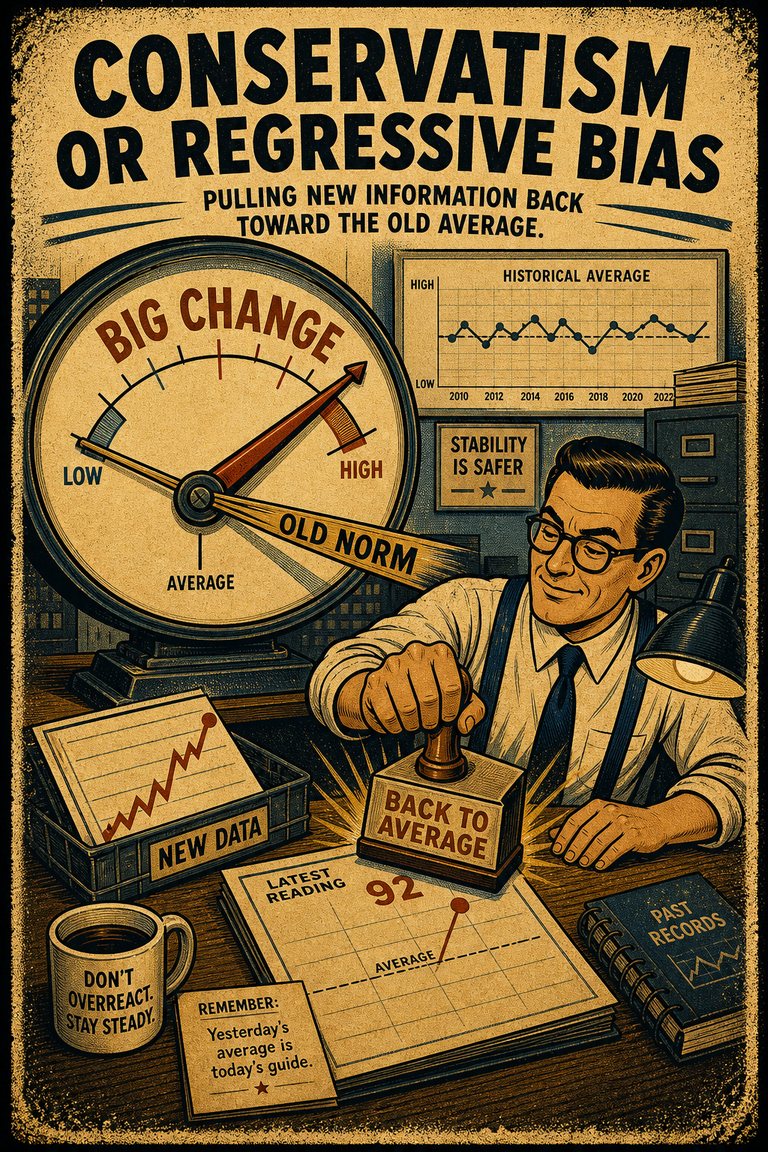
The tendency to remember high values as lower and low values as higher, pulling estimates back toward the middle.
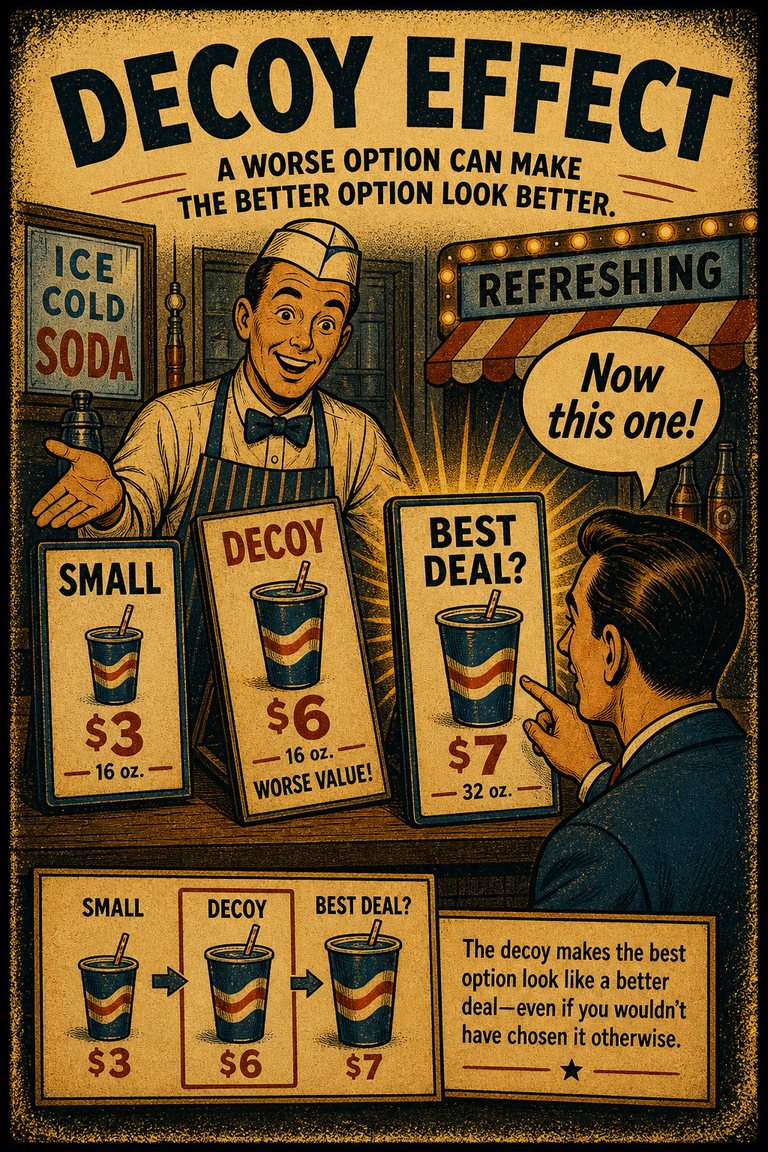
The tendency for a dominated third option to shift preference toward a nearby target option.
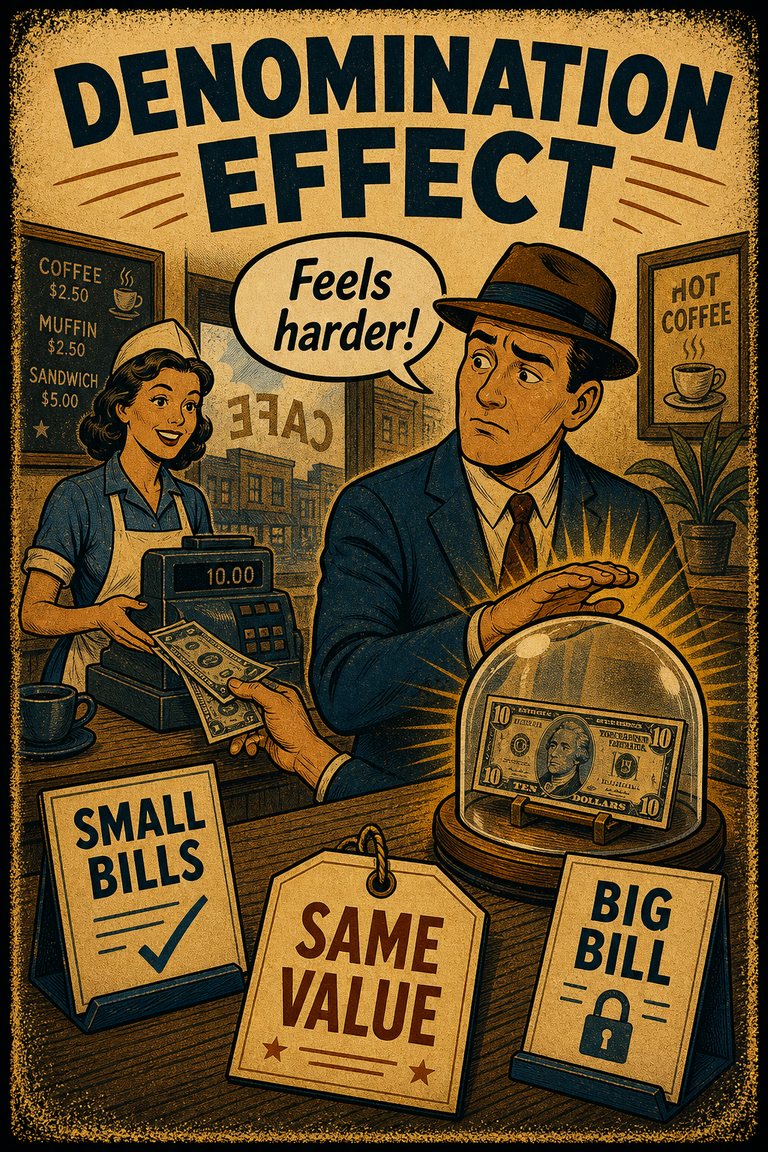
The tendency to spend more money when it is denominated in small amounts rather than large amounts.
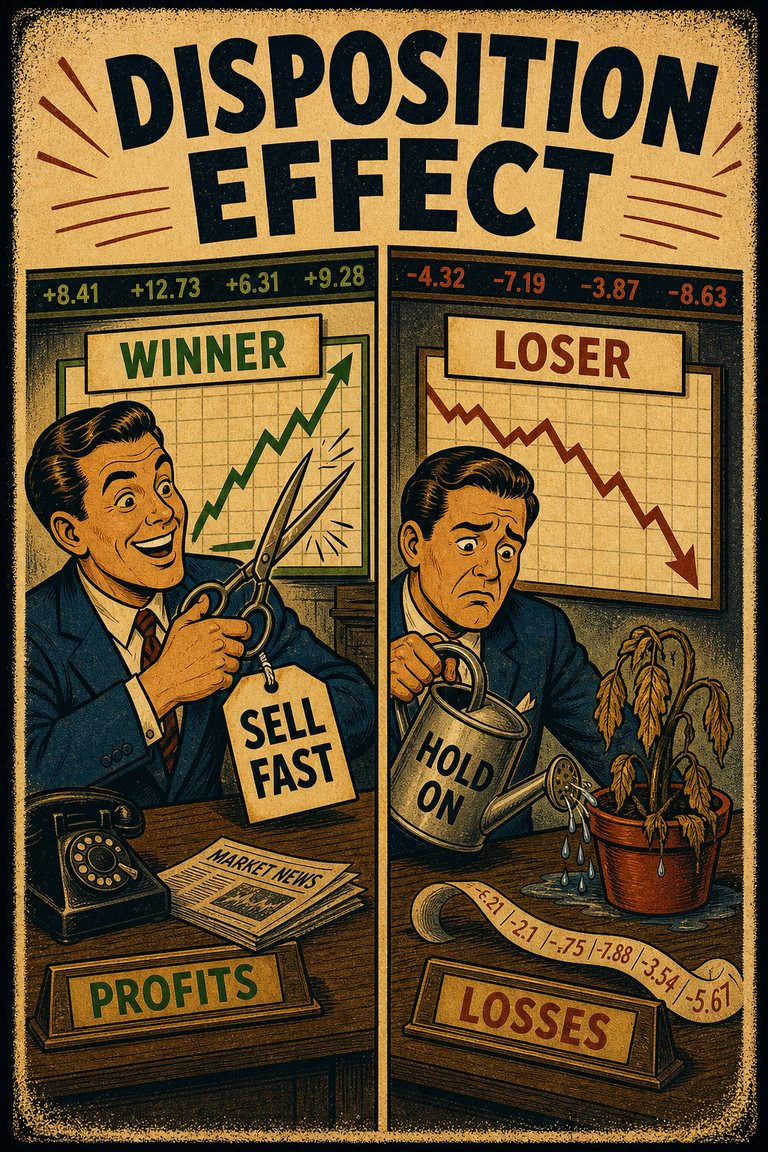
The tendency to sell an asset that has accumulated in value and resist selling an asset that has declined in value.
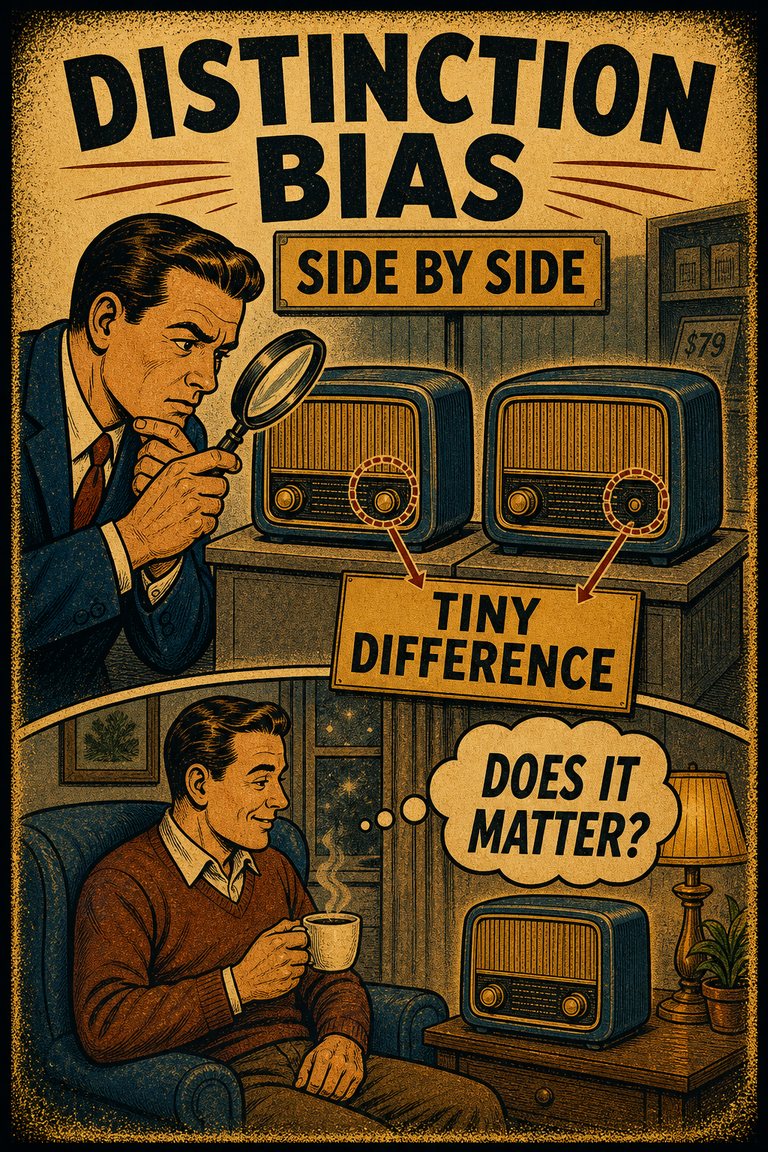
The tendency to view two options as more dissimilar when evaluating them simultaneously than when evaluating them separately.

The tendency for low skill or shallow understanding to produce overestimation of one's own competence, while higher-skill people may underestimate how unusual their competence really is.
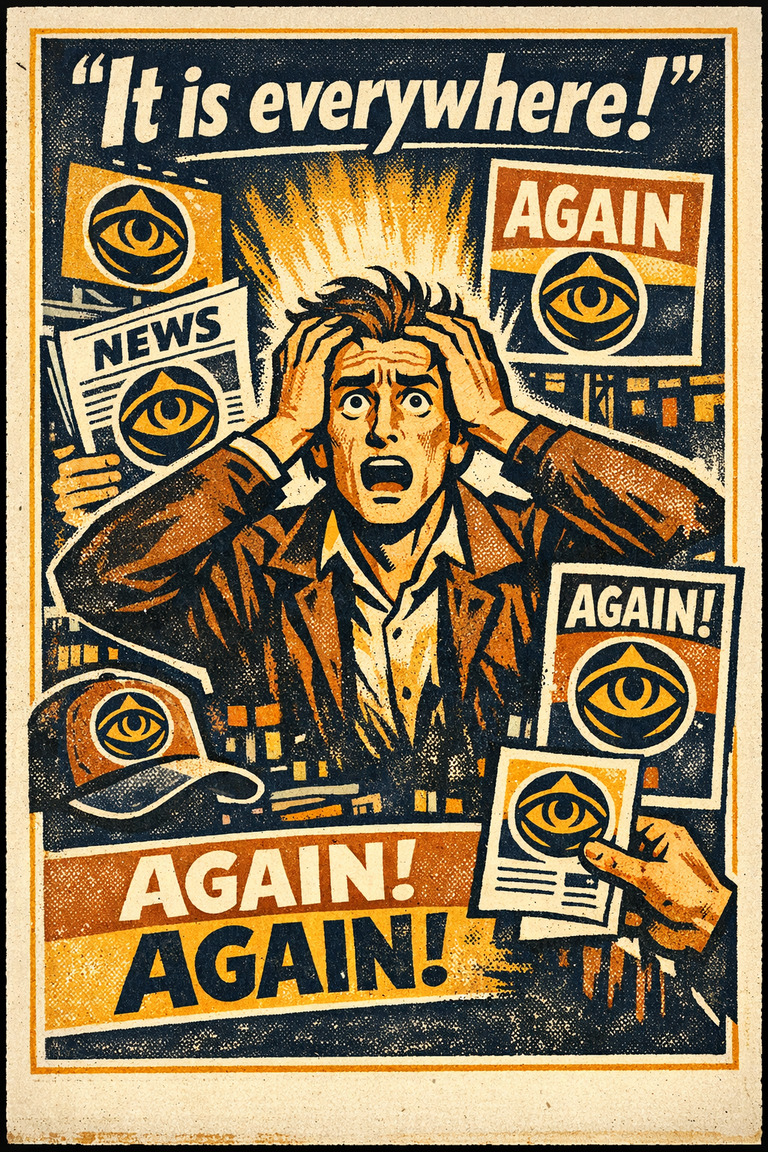
The tendency to notice something once and then feel as if it is suddenly everywhere.

The tendency to think that future probabilities are altered by past events, when in reality they are unchanged.
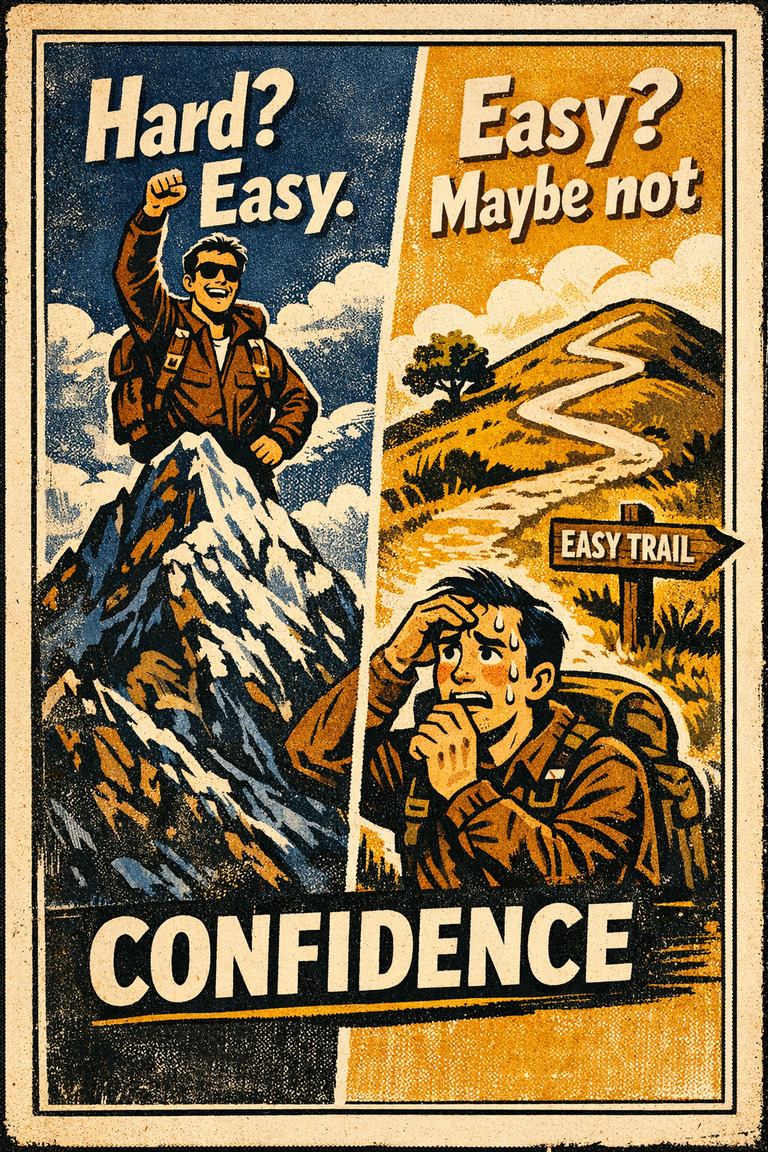
The tendency to overestimate one's ability to accomplish hard tasks, and underestimate one's ability to accomplish easy tasks.

The belief that a person who has experienced success with a random event has a greater chance of further success in additional attempts.
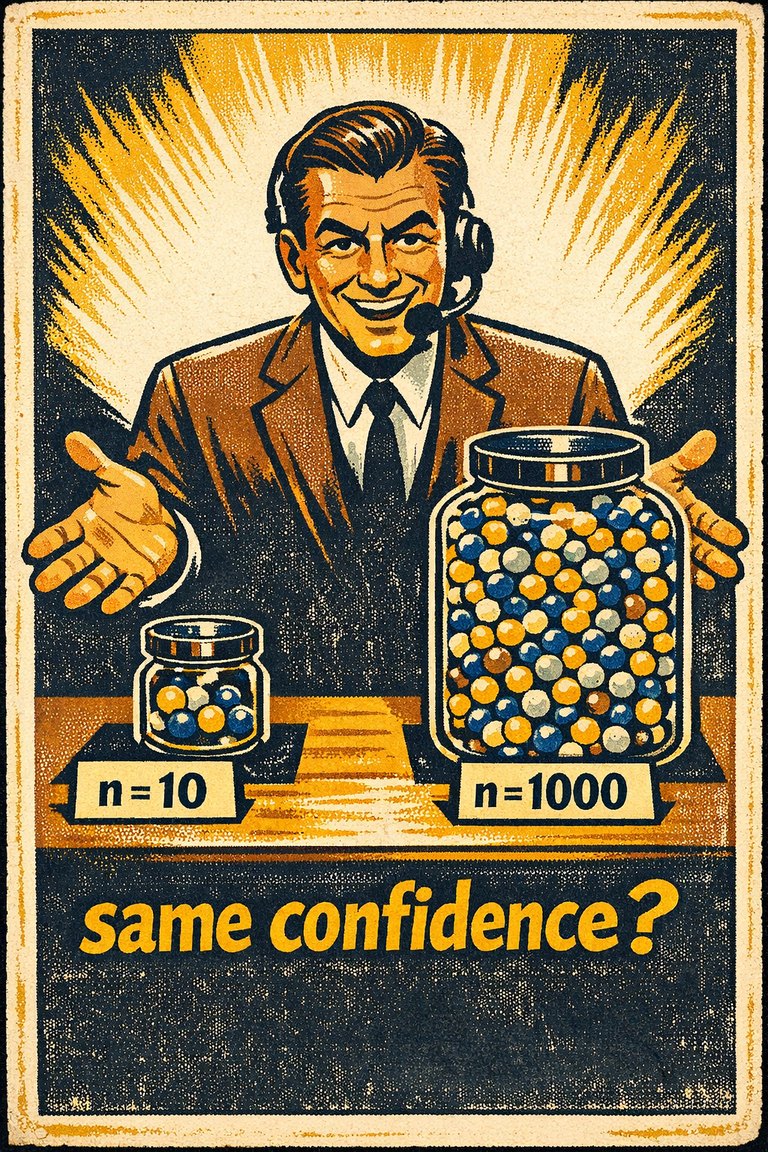
The tendency to under-expect variation in small samples and overread sparse data.

The tendency for hunger, fatigue, pain, or other bodily states to distort judgment.
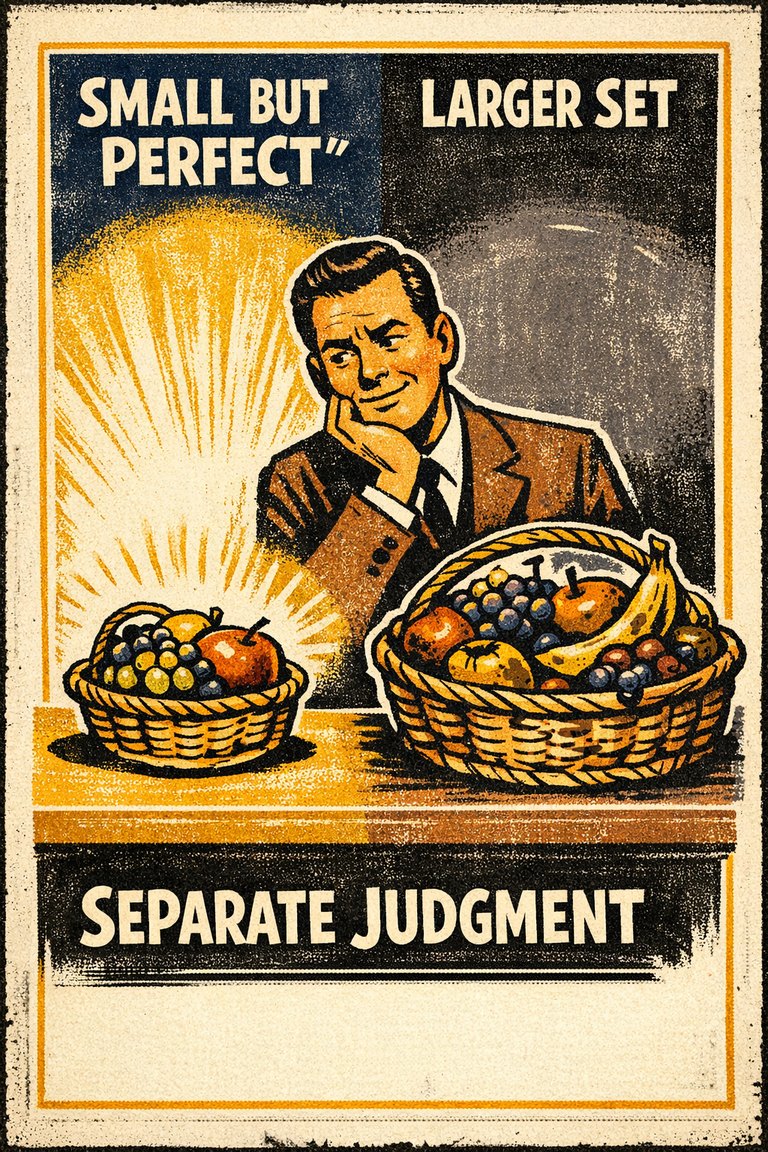
The tendency to prefer a smaller set to a larger set judged separately, but not jointly.
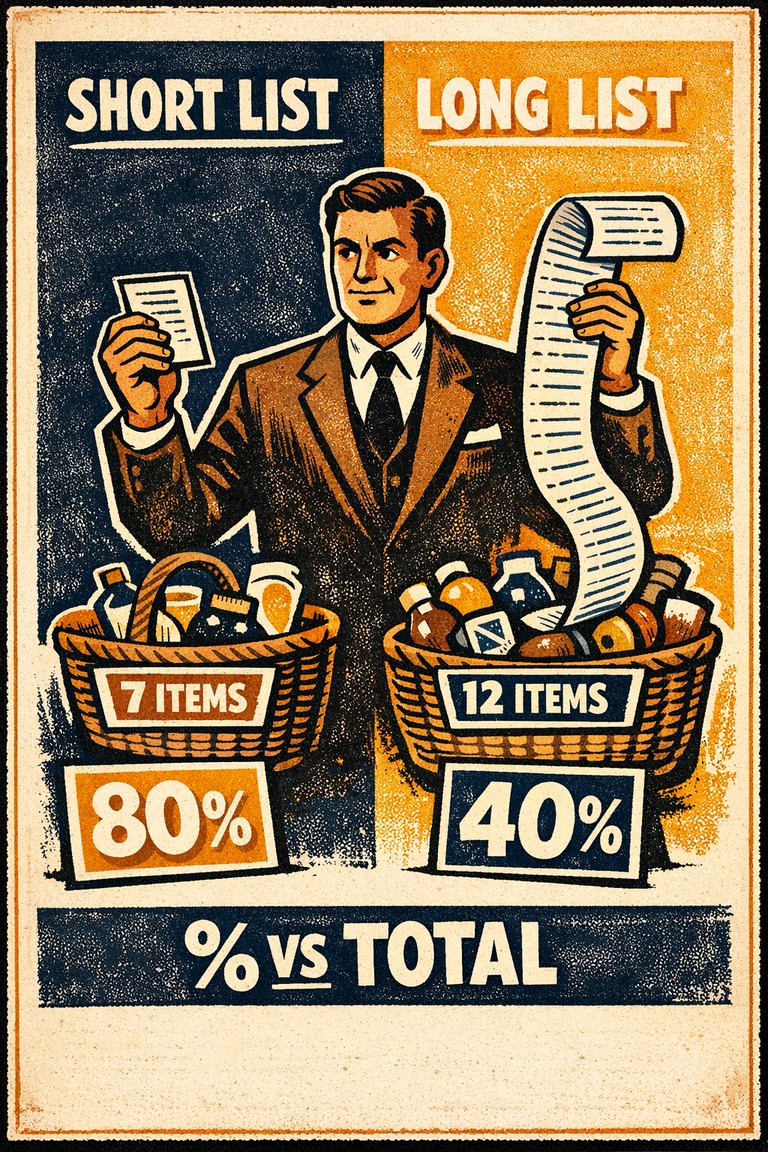
A smaller percentage of items are remembered in a longer list, but as the length of the list increases, the absolute number of items remembered increases as well.

The tendency to concentrate on the nominal value of money rather than its value in terms of purchasing power.
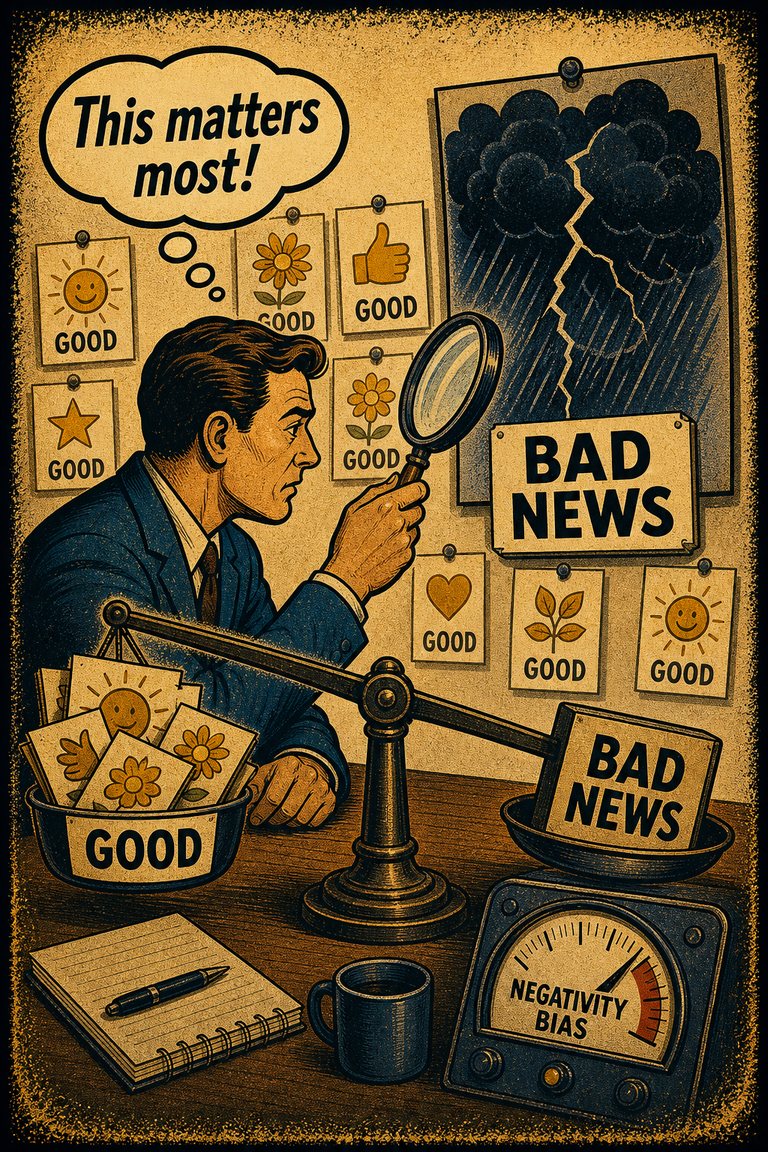
The tendency to give bad news, threats, criticism, and losses more psychological weight than equally sized positives.
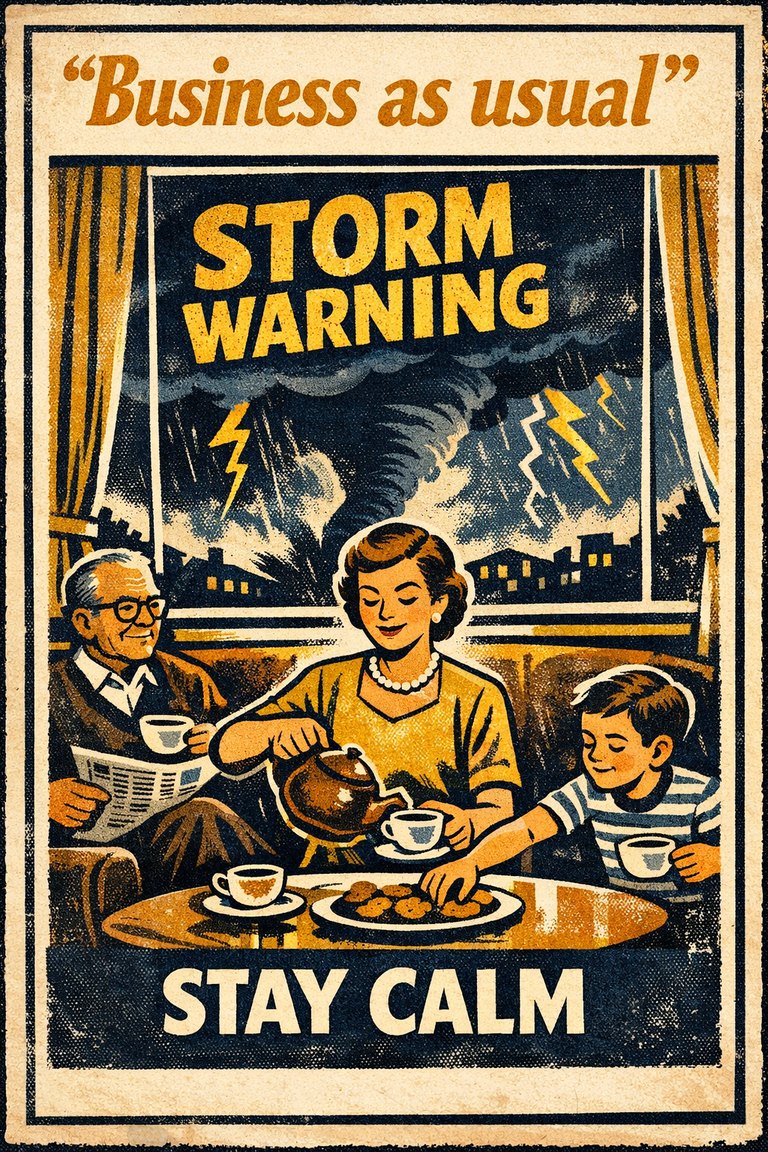
The tendency to assume that things will keep functioning more or less normally, which leads people to underprepare for unprecedented or fast-moving disruption.
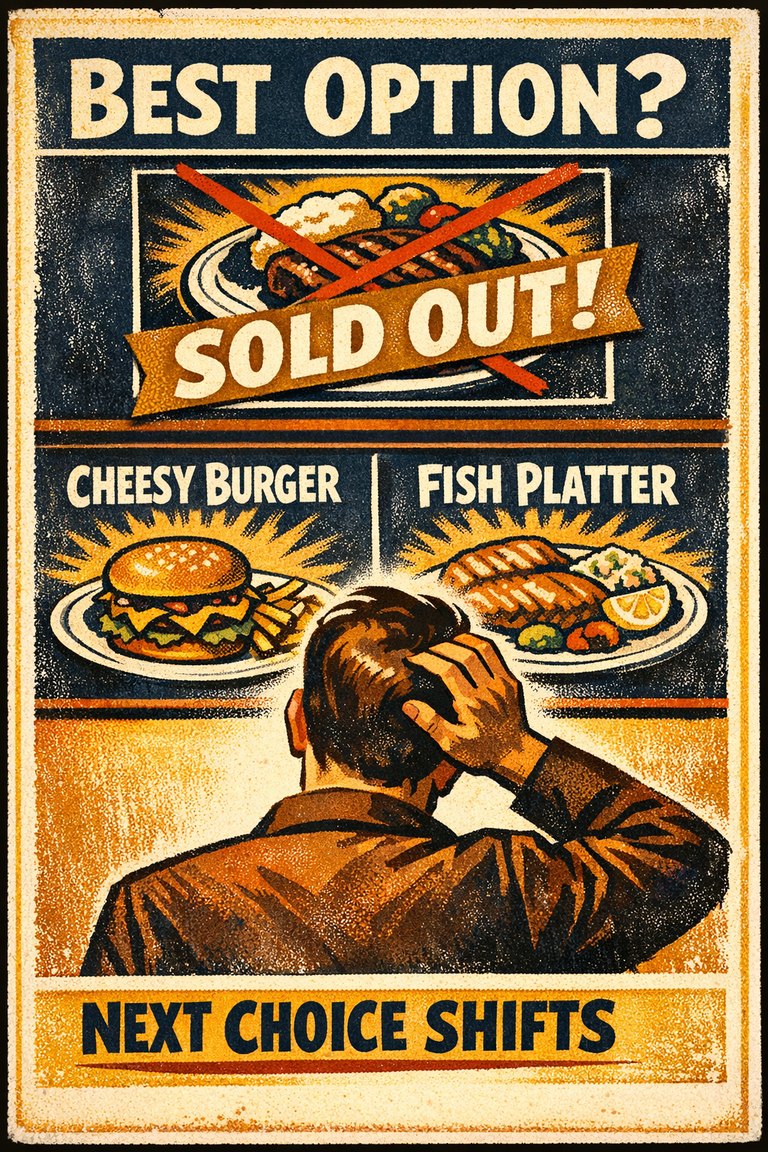
The tendency for unavailable but mentally present options to influence current choices.

The tendency to remember items at the beginning of a sequence especially well.

The tendency to overestimate how much your future preferences, values, and reactions will resemble whatever you feel strongly right now.
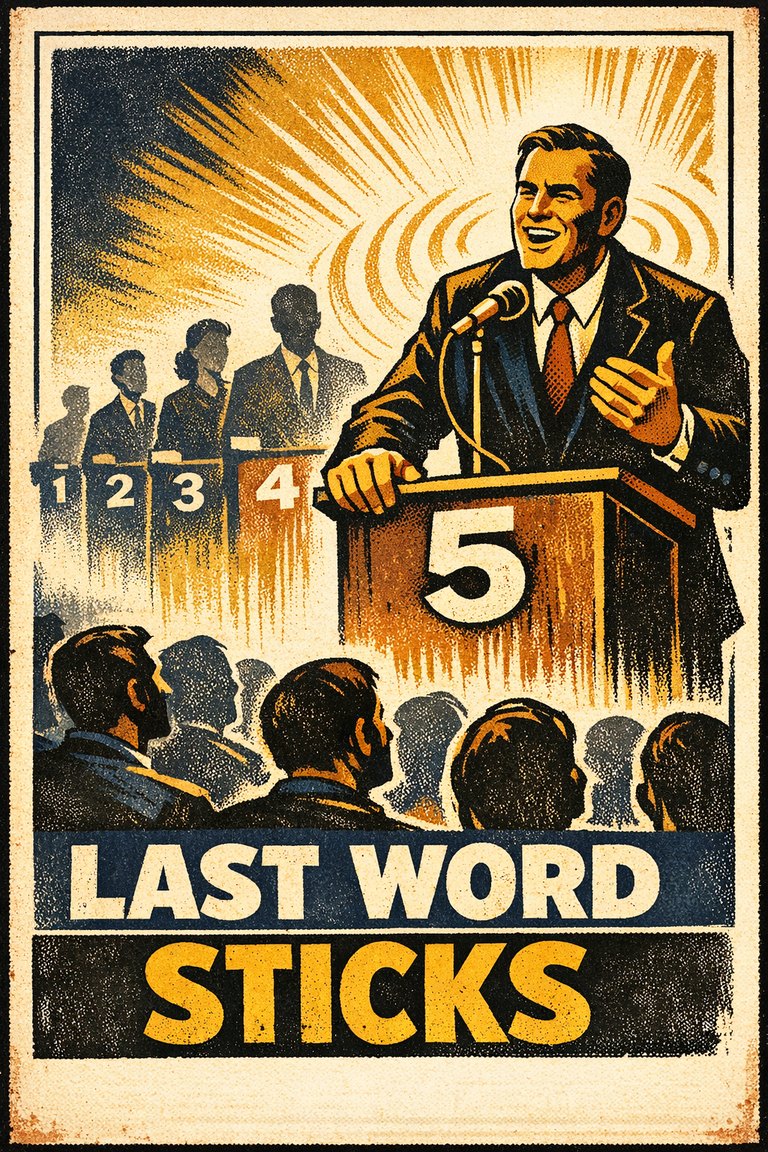
A form of serial position effect where an item at the end of a list is easier to recall.
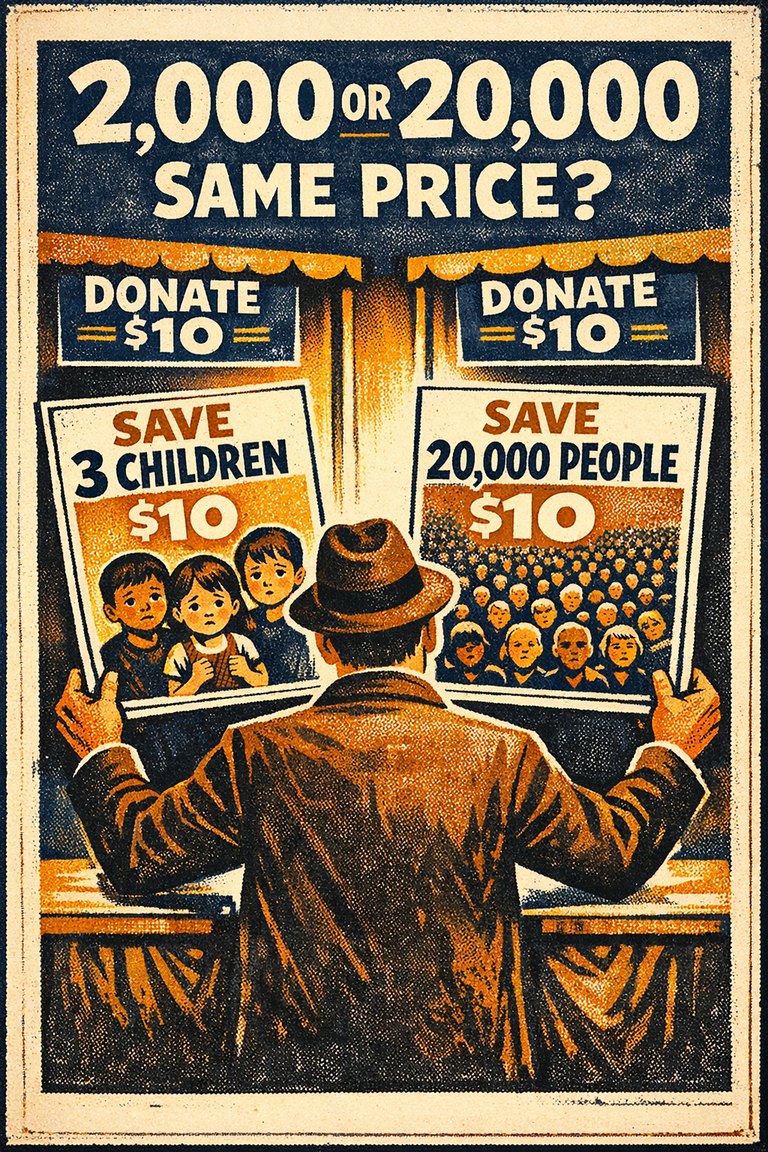
The tendency to respond weakly to scale, treating small and large harms or benefits as if the difference barely matters.
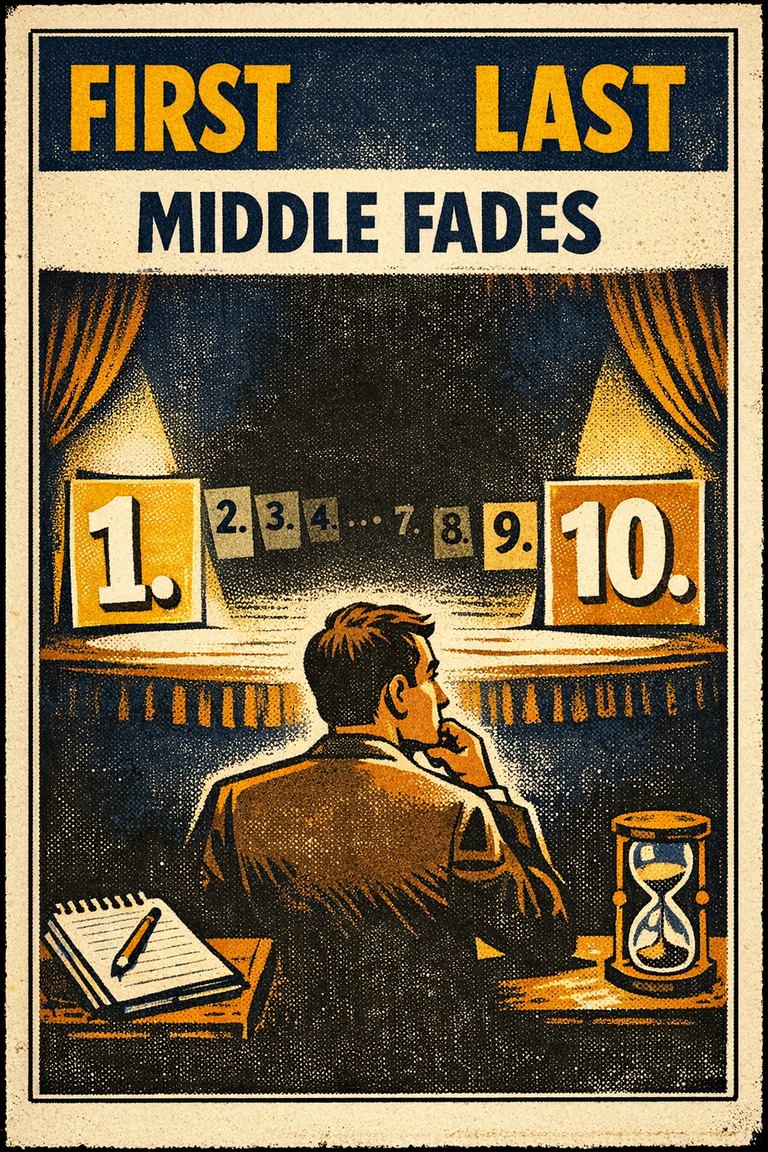
The tendency to remember items at the beginning and end of a sequence better than those in the middle.
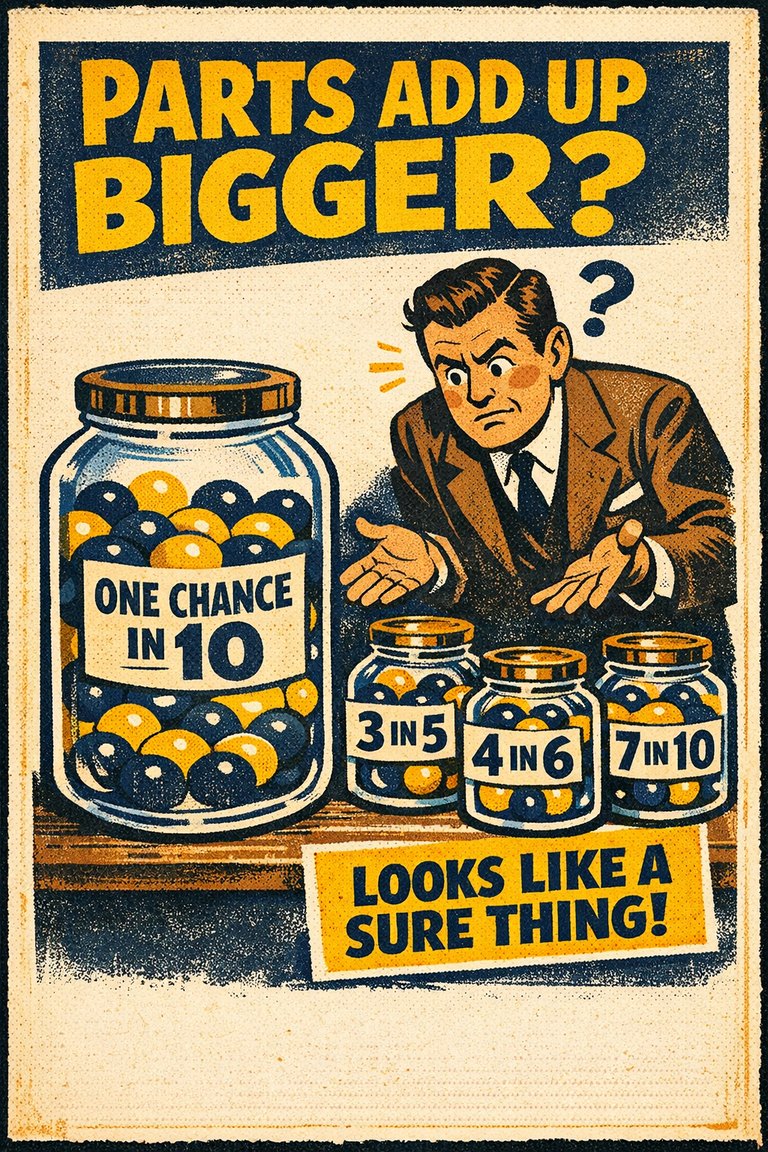
The tendency to estimate that the likelihood of a remembered event is less than the sum of its mutually exclusive components.
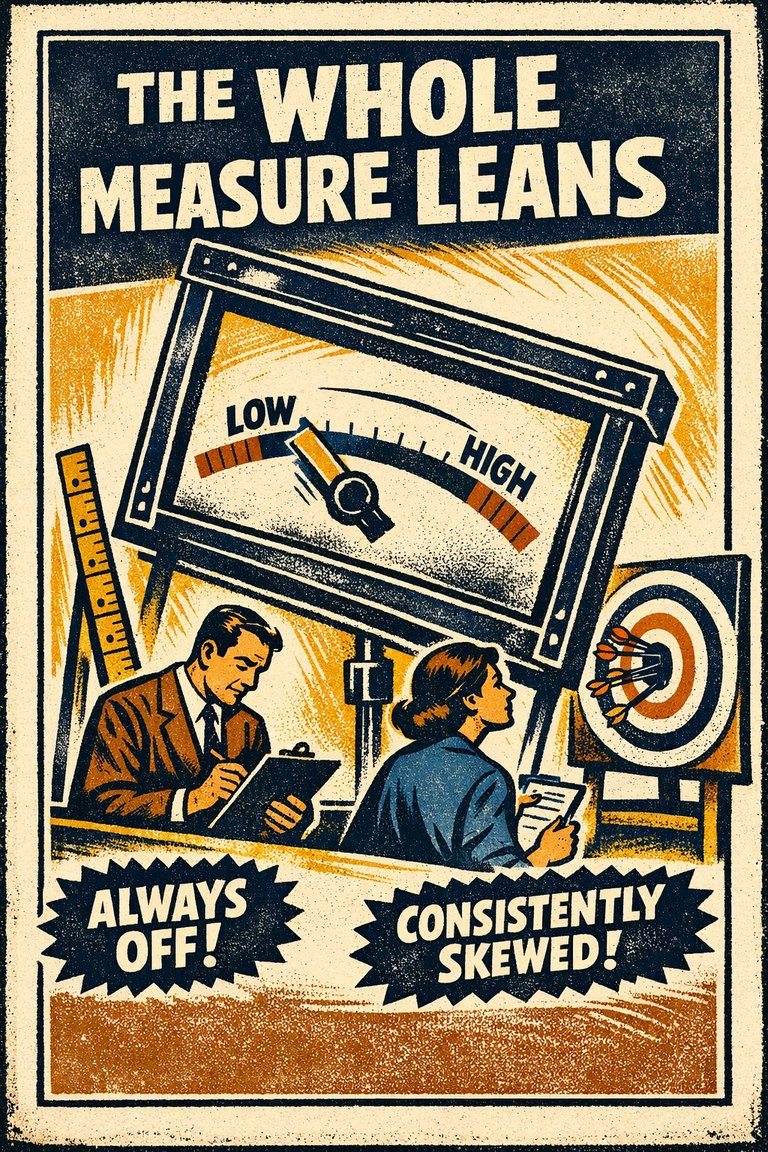
Judgement that arises when targets of differentiating judgement become subject to effects of regression that are not equivalent.

The tendency to treat a standard unit or serving as the right amount to consume.
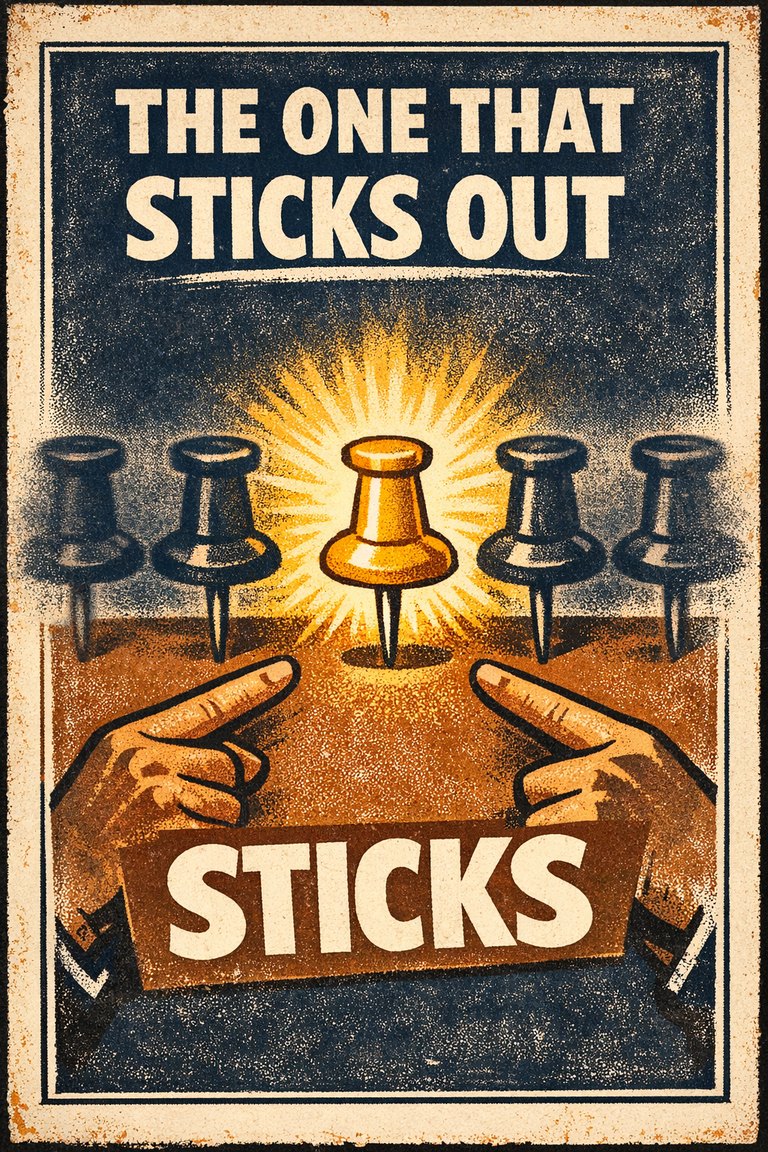
The tendency to remember an item better when it stands out from its surroundings.
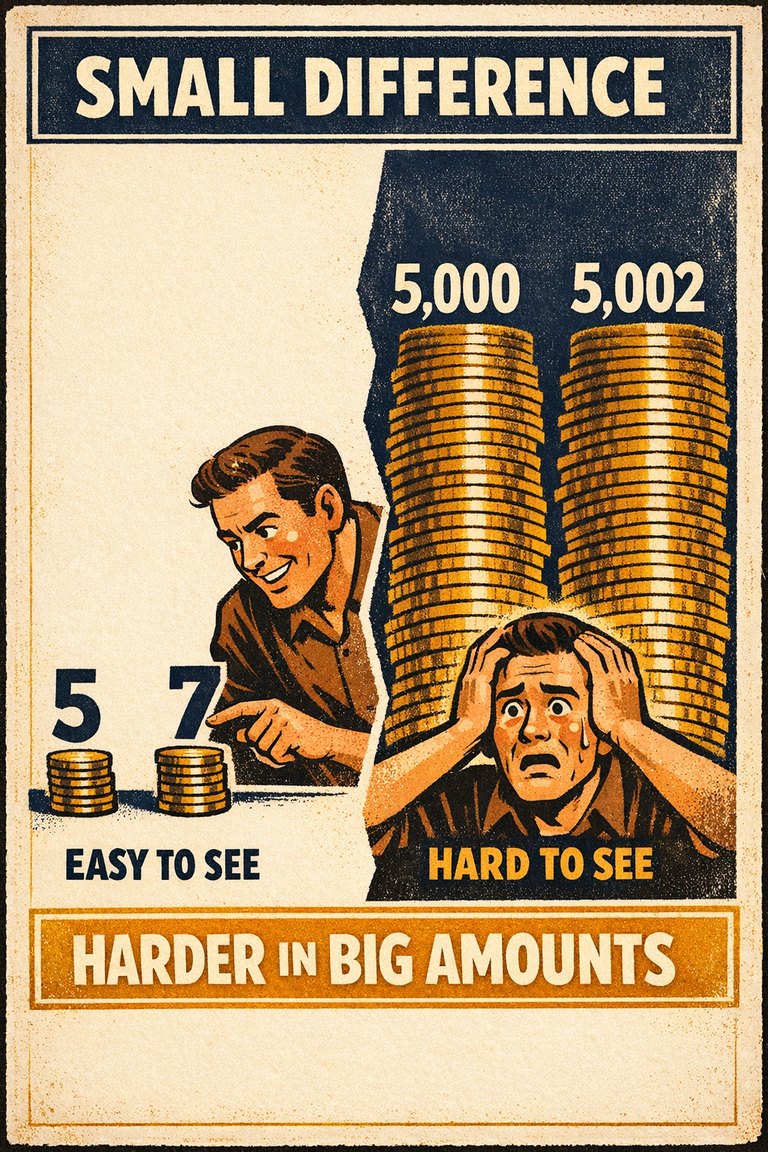
Difficulty in perceiving and comparing small differences in large quantities.