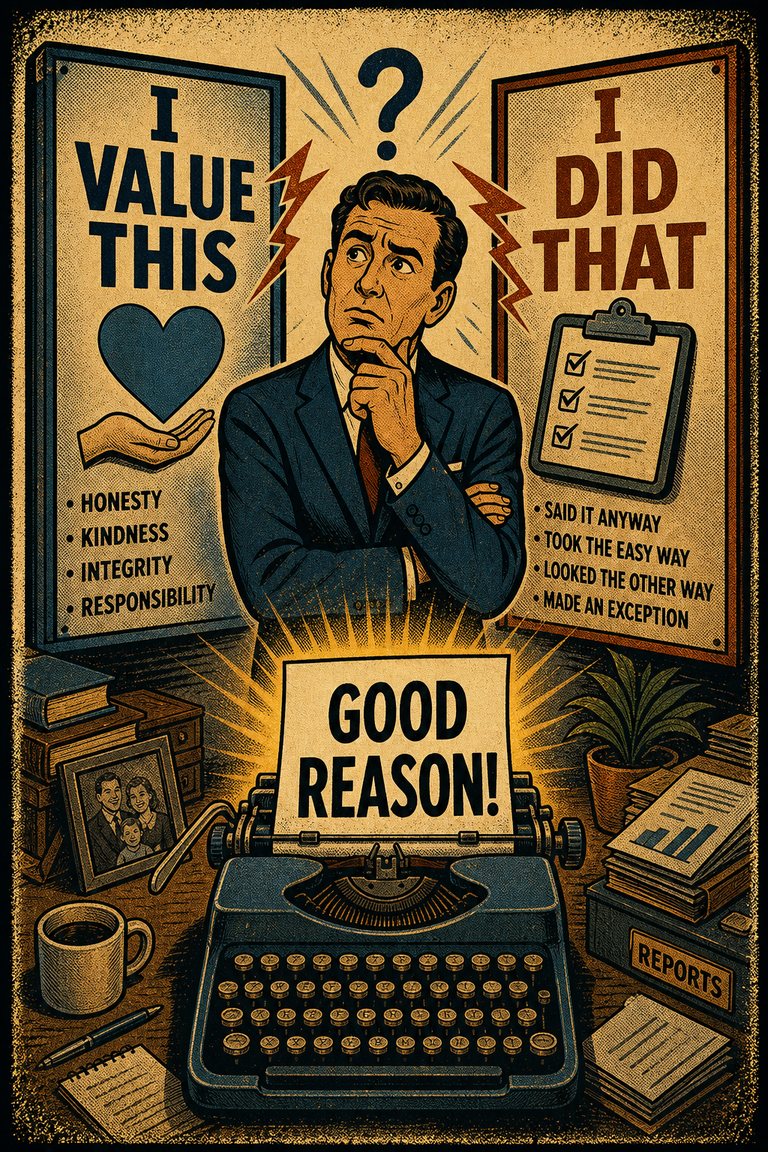
Cognitive dissonance
The perception of contradictory information and the mental toll of it.
Hypothesis AssessmentAssociation

Cognitive Biases
A practical cognitive-bias site with clear definitions, learning paths, assessments, self-audits, and debiasing tools.
Theory Article
A theory essay on how people defend choices, identity, and coherence by editing memory, standards, and self-description rather than by simply declaring that they refuse to change.
When beliefs, decisions, and values collide, people do not always respond with blunt denial. More often they engage in narrative repair. The original tension gets softened by better-sounding memory, nicer standards, or a flattering account of where bias supposedly lives.
Cognitive dissonance makes contradiction expensive. Choice-supportive bias edits the memory of the choice. Bias blind spot relocates the distortion mainly into other people. These are not separate curiosities. They are overlapping ways of keeping the self-story coherent enough to inhabit comfortably.
That is why direct correction can feel strangely ineffective. The issue is not always refusal to think. It is the existence of cheaper ways to keep thinking while preserving the current self-story.
The revised account often sounds respectable. The choice was wiser than it first looked. The contradiction was never that sharp. The other side is more biased than we are. Because the repairs are intelligible, they are easy to mistake for neutral interpretation.
A bias site does readers a service when it helps them distinguish psychologically useful coherence from epistemically earned coherence.
Better self-audit asks what the contradiction really was, what the rejected option really offered, and what a skeptic of one's own story would still insist on preserving. Those questions slow the repair long enough for cleaner learning to happen.
This is one of the reasons CogBias keeps investing in self-checks and process prompts instead of relying on definitions alone.
Use these entry pages after the article if you want the same theory translated into more concrete diagnostic and repair tools.
The perception of contradictory information and the mental toll of it.
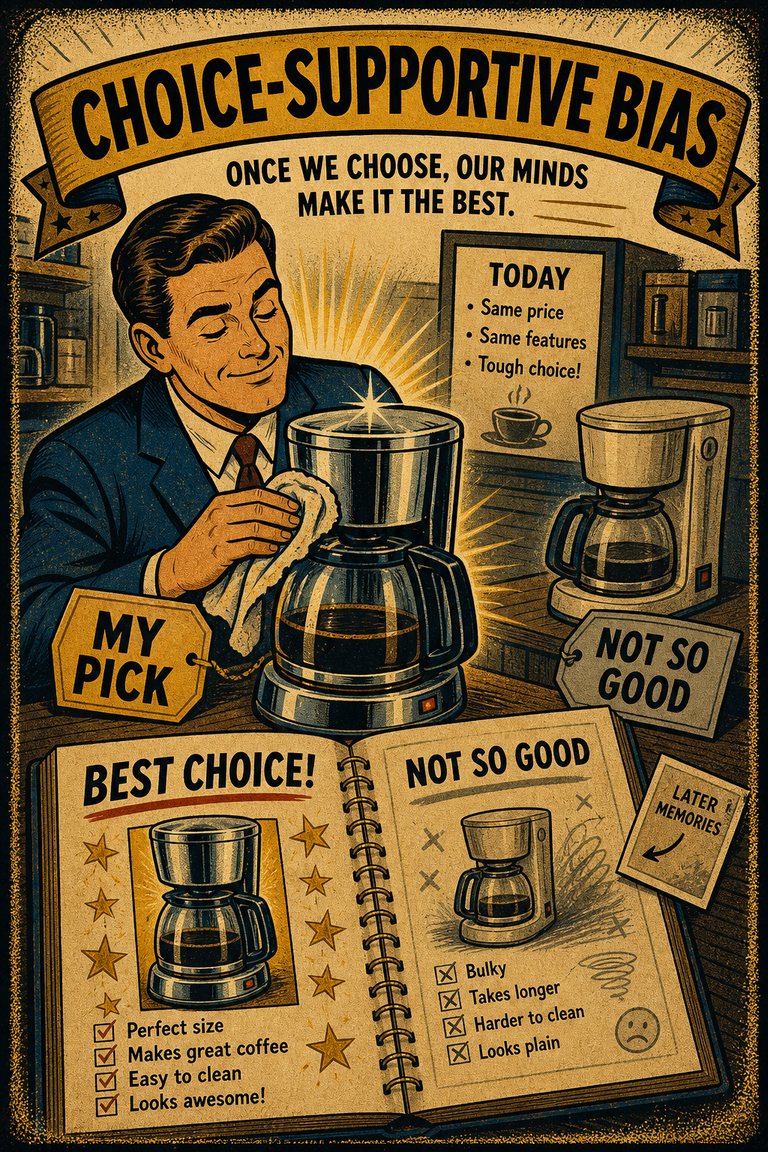
The tendency to remember one's choices as better than they actually were.
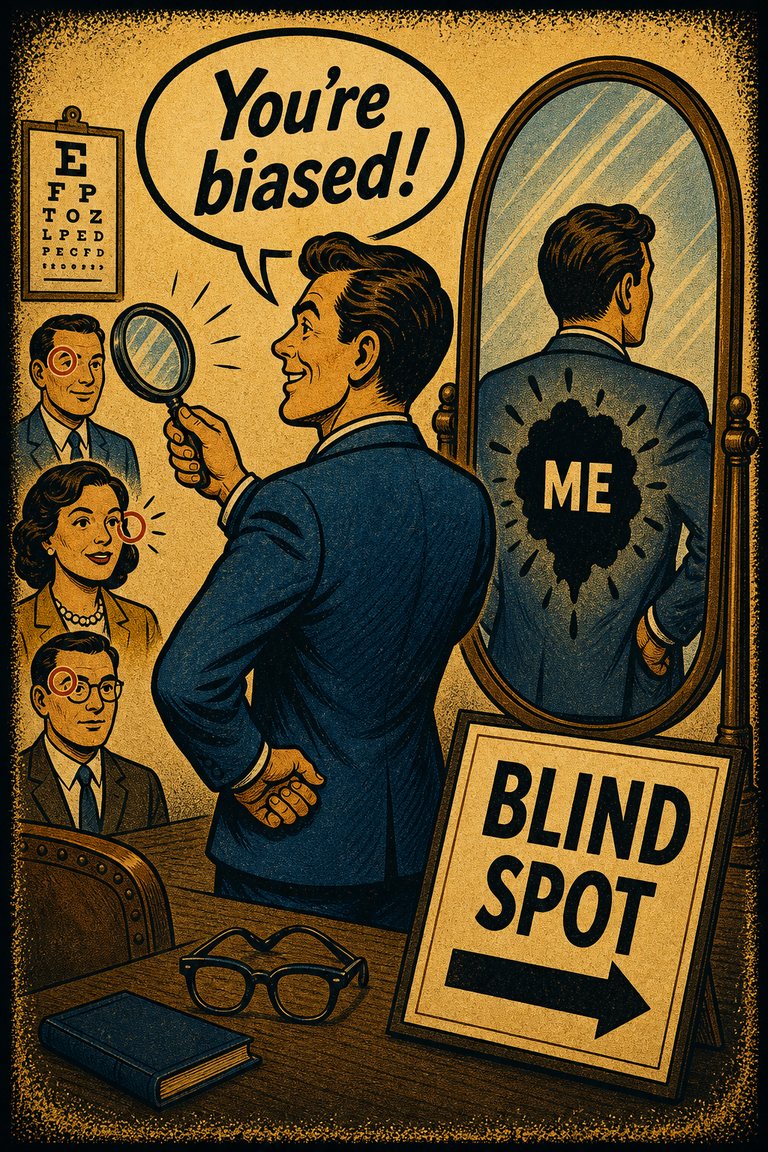
The tendency to see oneself as less biased than other people, or to be able to identify more cognitive biases in others than in oneself.
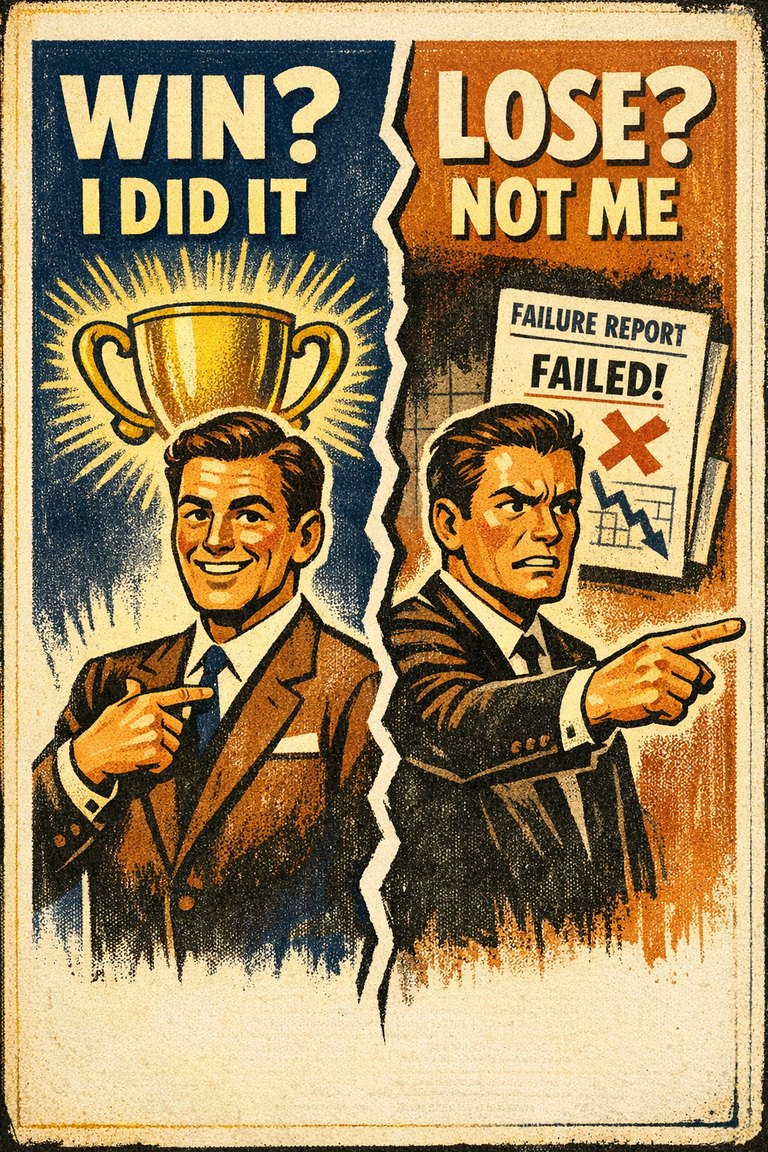
The tendency to take disproportionate credit for successes while locating failures in bad luck, unfair circumstances, or other people.
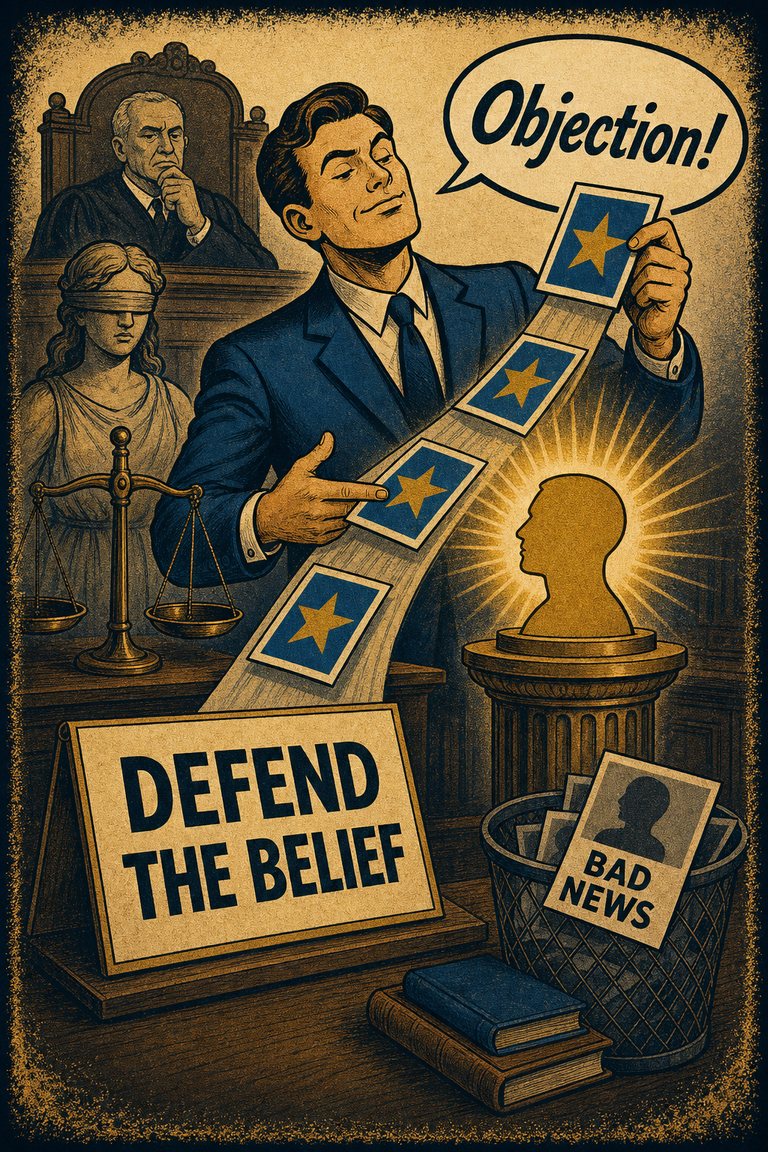
The tendency to use reasoning as a defense lawyer for desired conclusions rather than as an impartial search for what is most likely true.