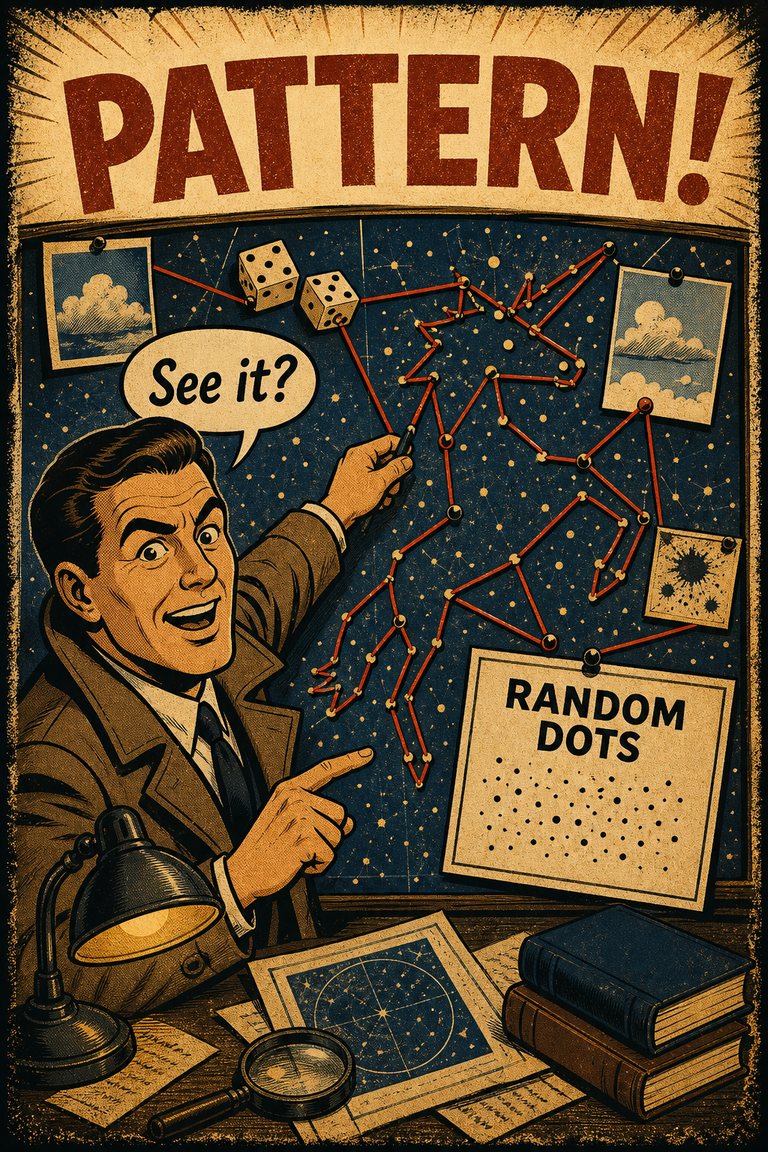
Apophenia
The tendency to perceive meaningful connections or patterns between unrelated things.
Causal AttributionOutcome

Cognitive Biases
A practical cognitive-bias site with clear definitions, learning paths, assessments, self-audits, and debiasing tools.
Category
These biases bend explanations about why events happened and who or what caused them.
Use these side by side before deciding which label best fits the judgment failure you are seeing.
The tendency to perceive meaningful connections or patterns between unrelated things.

The tendency to assume other people are more similar to oneself than they really are.
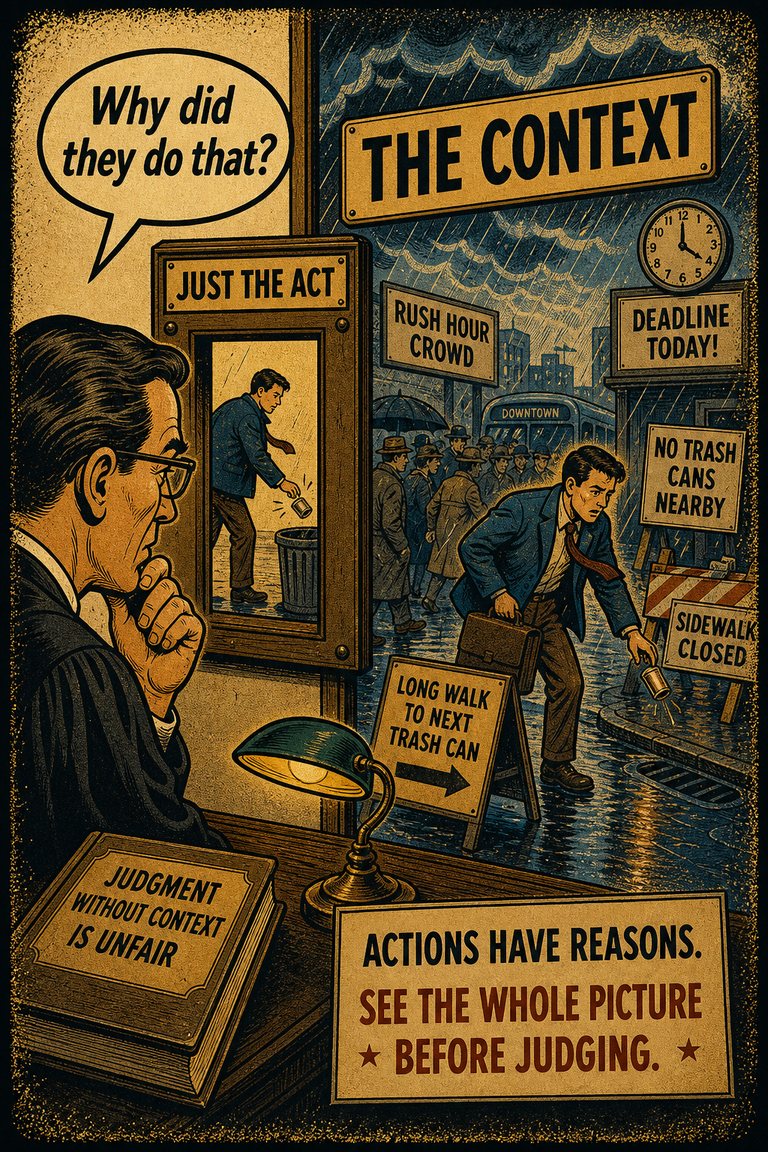
The tendency to neglect the human context of technological challenges.
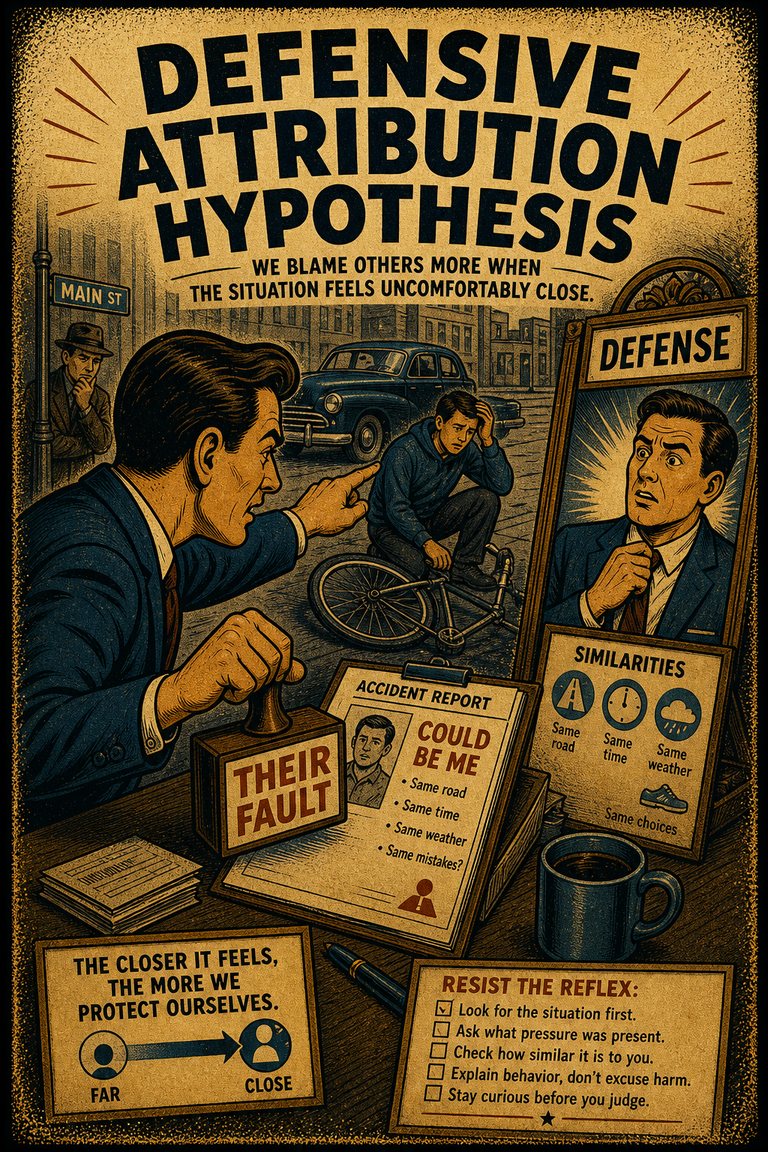
The tendency to attribute more blame for a mishap to the person or persons involved if they are perceived as dissimilar to the person making that judgment.
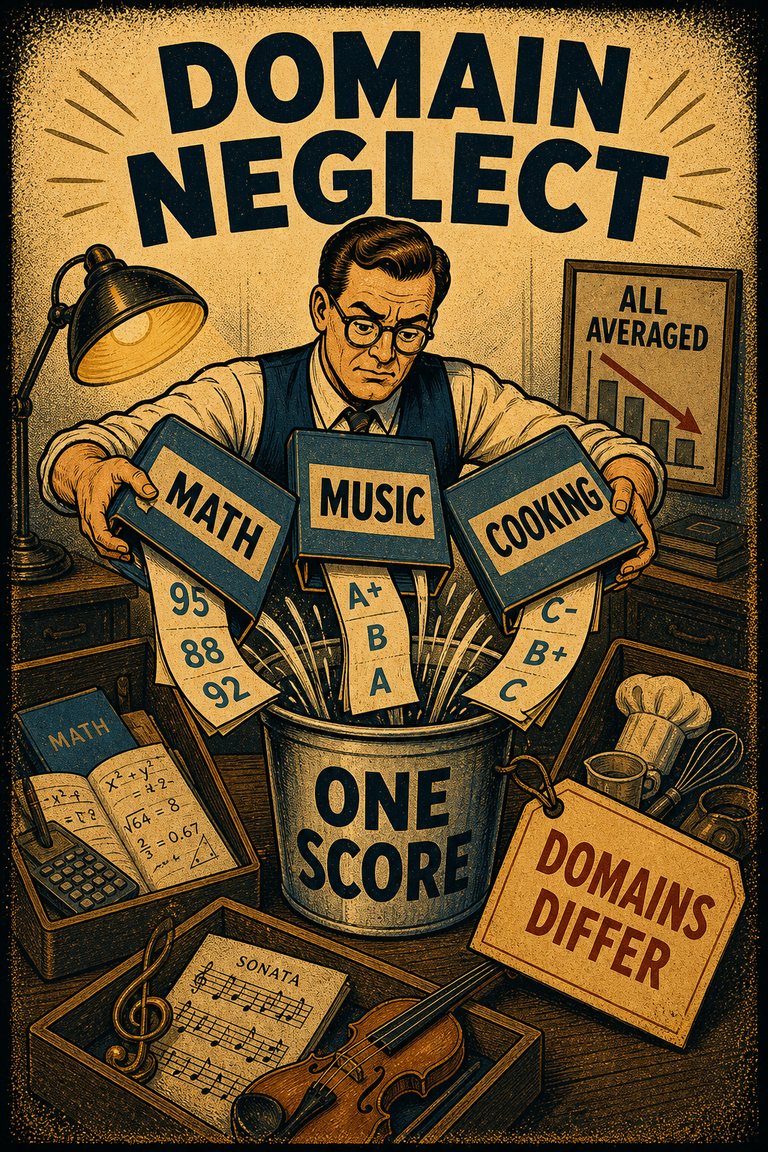
The tendency to ignore relevant domain knowledge when reasoning across unfamiliar fields.

The tendency to remember the past in self-serving ways and overweight one's own perspective.
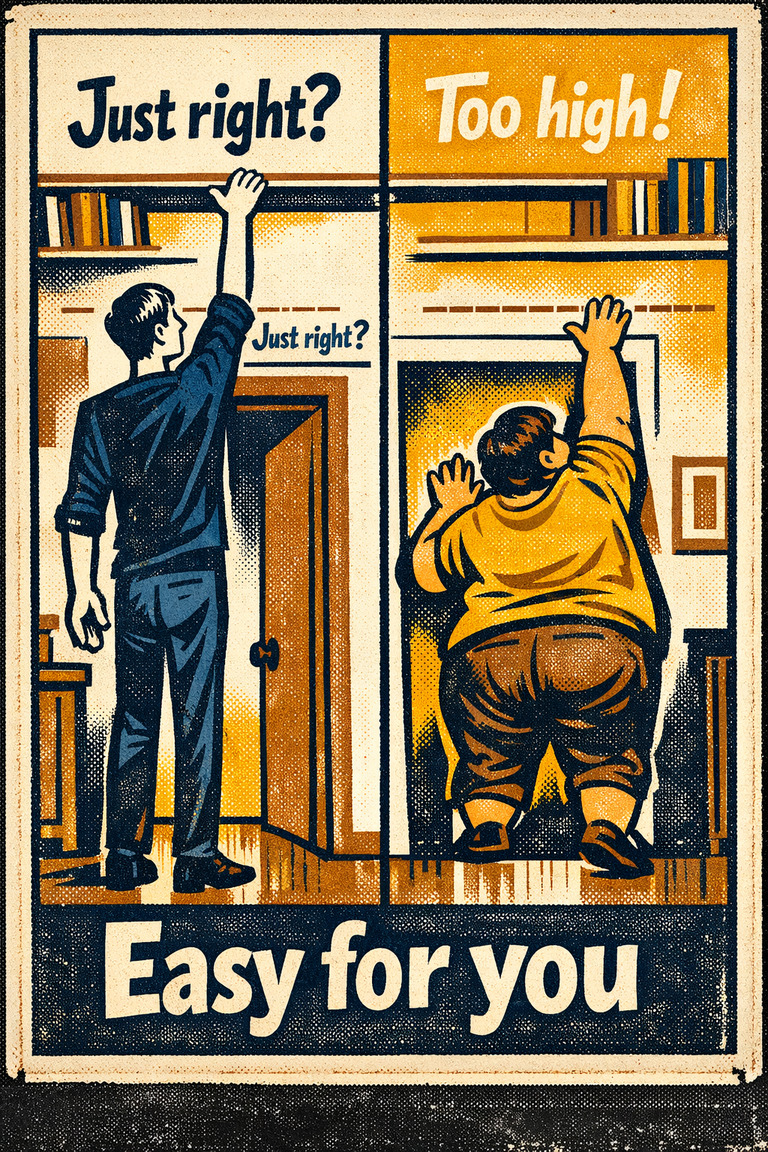
Biases in attribution of meaning and perceived properties to objects or events based on the physical capacities and properties of the body, such as sex and temperament.

The tendency for researchers' expectations to shape what data they notice, trust, publish, or discount.

The tendency of people to see their projects and themselves as more singular than they actually are.

In human–robot interaction, the tendency of people to make systematic errors when interacting with a robot.
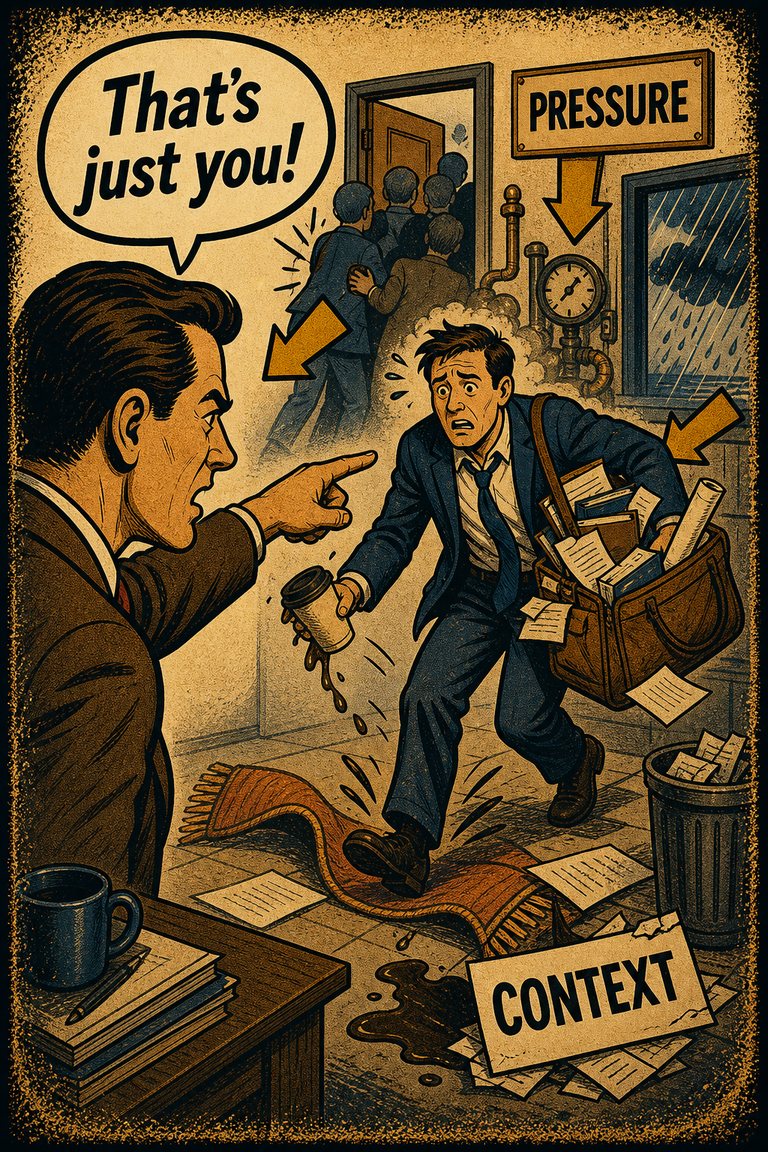
The tendency to explain other people's behavior too quickly in terms of character while underweighting situational pressures and constraints.
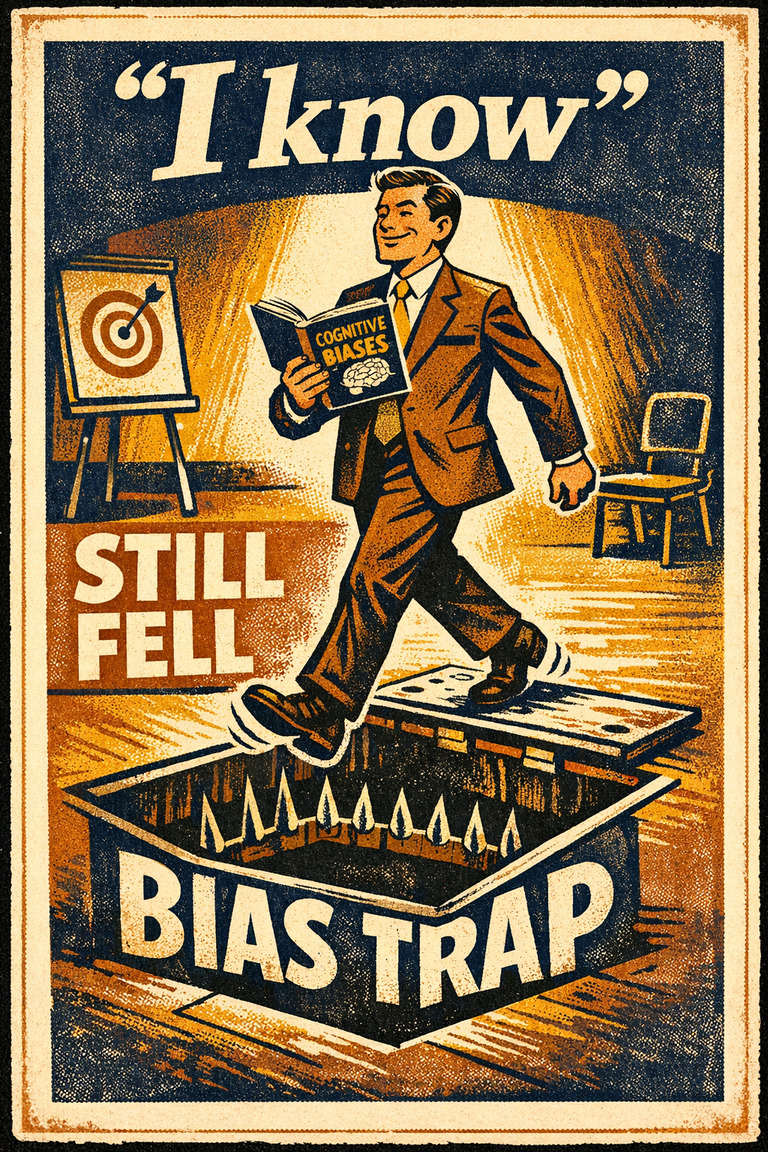
The tendency to think that knowing about cognitive bias is enough to overcome it.

The tendency to project one member's traits or a group decision onto the whole group.

The tendency to read ambiguous behavior as hostile, threatening, or intentionally disrespectful even when the evidence is underdetermined.

The tendency to overestimate one's degree of influence over other external events.
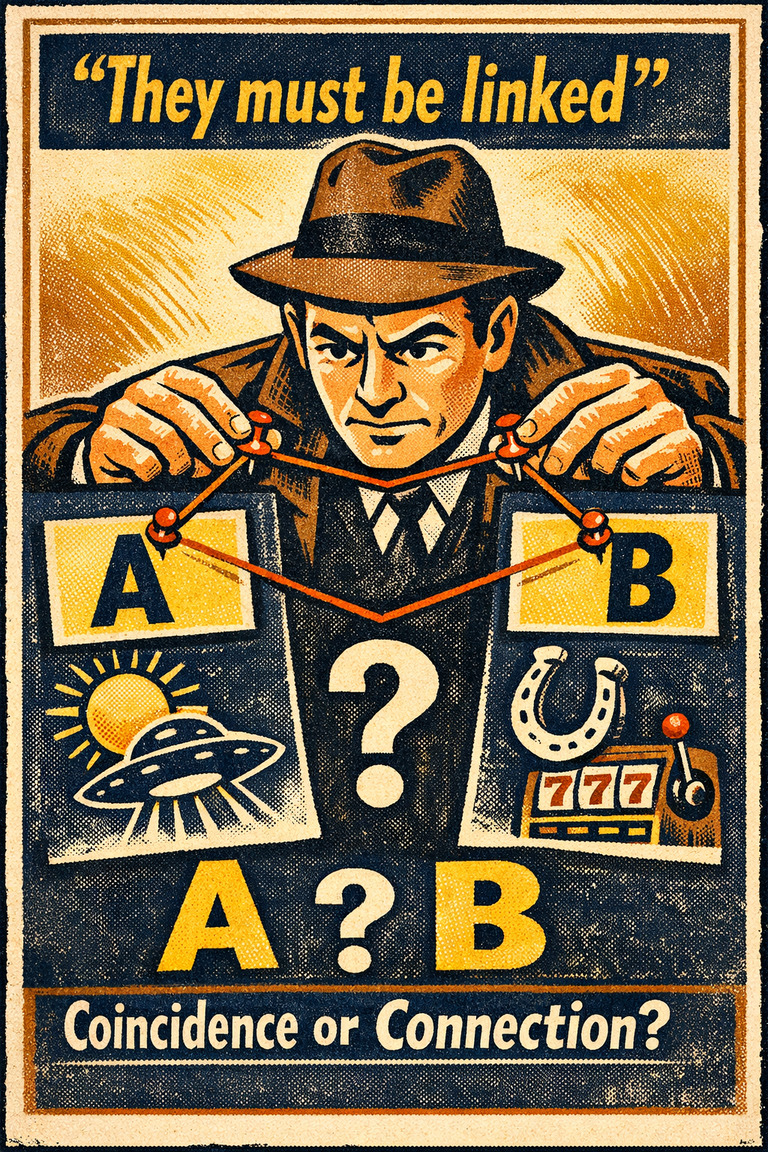
Inaccurately seeing a relationship between two events related by coincidence.

The tendency to favor, trust, defend, or positively interpret people and claims associated with one's own group more readily than comparable outsiders.
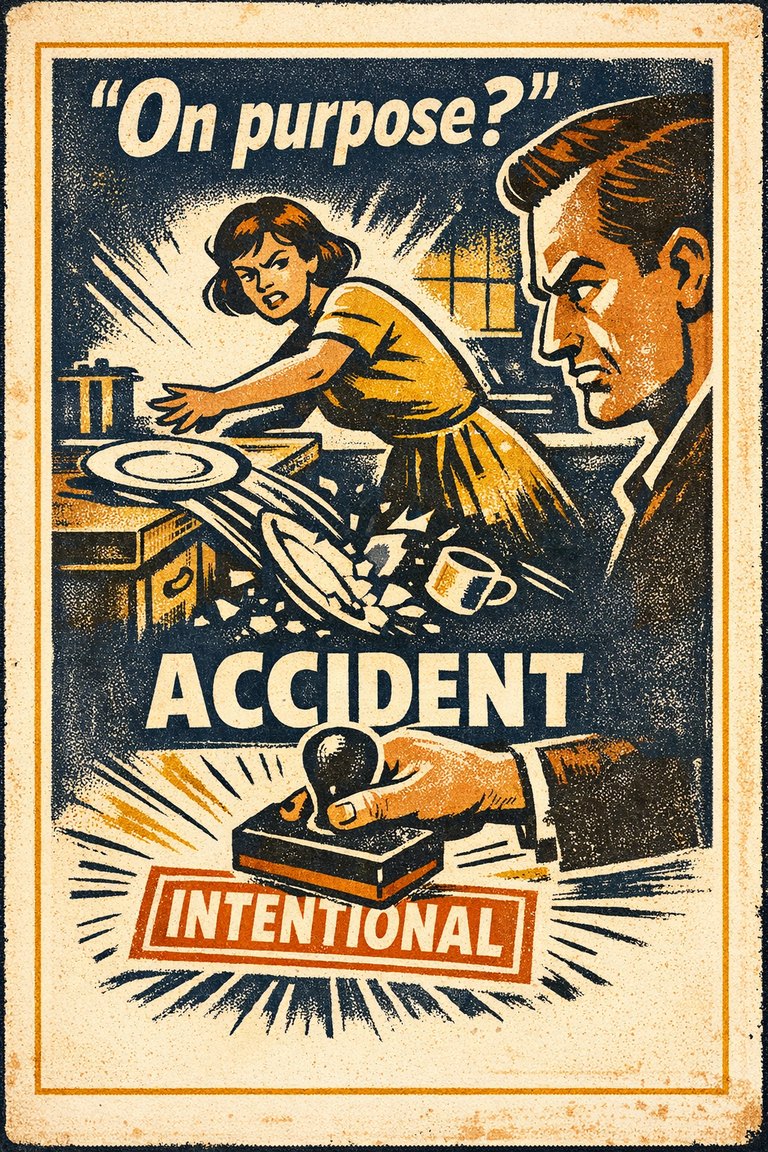
The tendency to judge human action to be intentional rather than accidental.

The tendency to assume that people usually get what they deserve, which encourages reinterpretation of suffering, injustice, or bad luck as somehow earned.
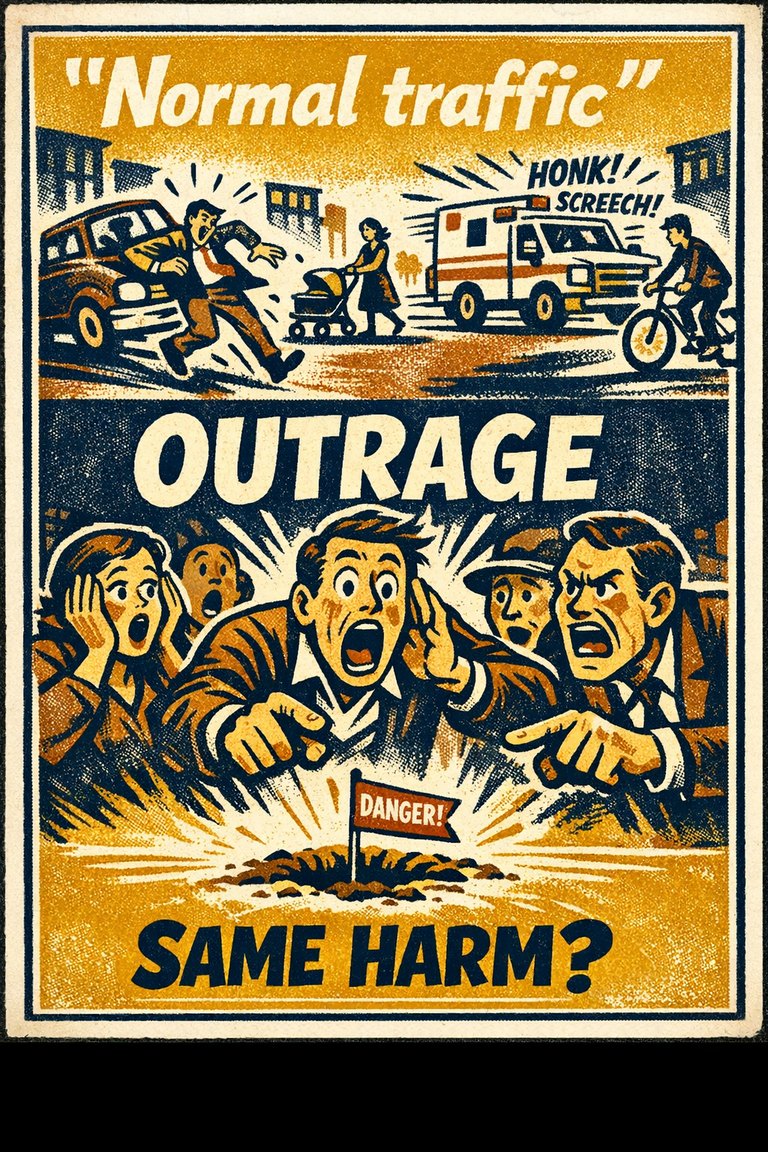
The tendency to treat motor vehicle use as normal while discounting harms that would stand out in other contexts.

The phenomena where people tend to believe that they are more objective and unbiased than others.
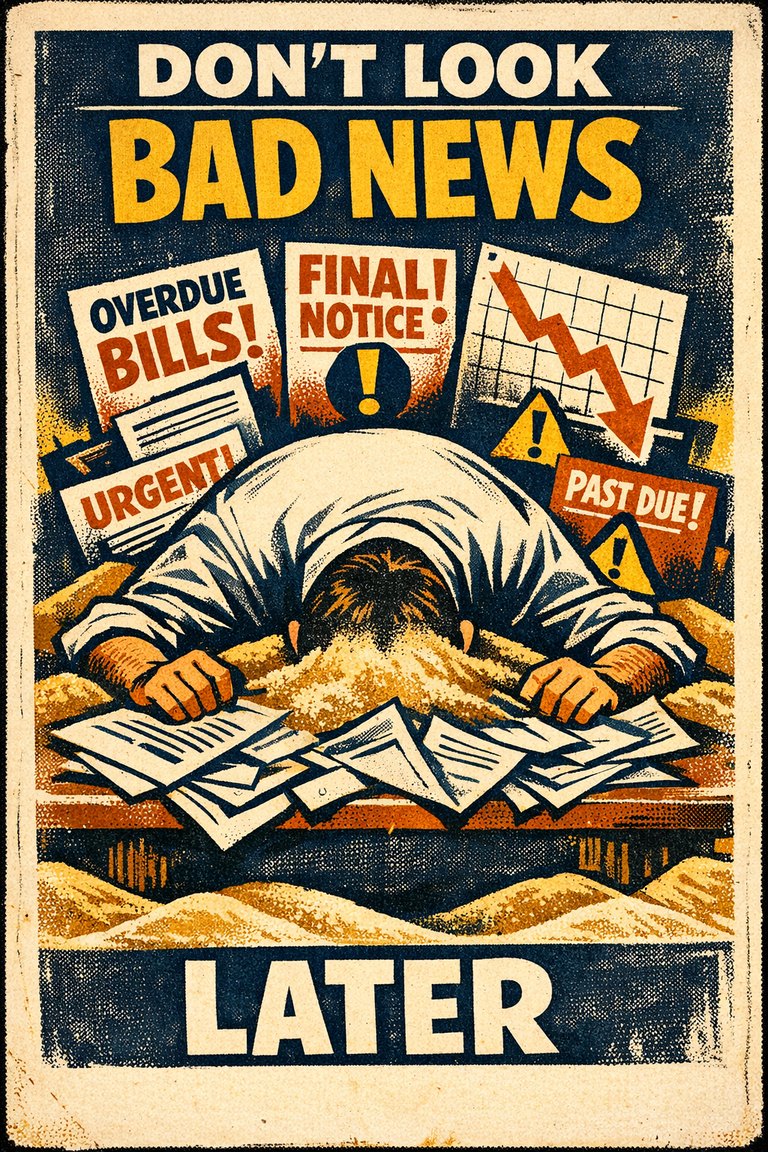
The tendency to avoid acknowledgment of an obviously bad situation to avoid the bad feelings that may come with acknowledgment of the situation.
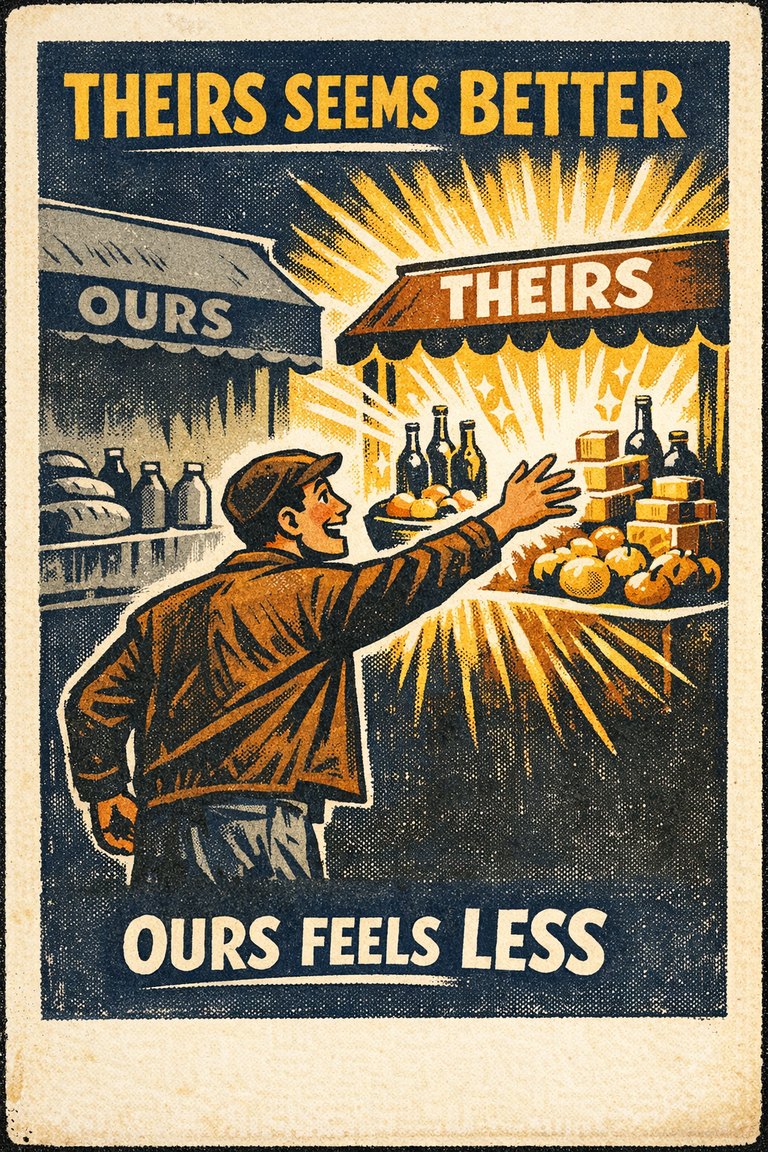
The tendency for some disadvantaged groups to evaluate outside groups more favorably than their own.

The tendency to ignore plants in their environment and a failure to recognize and appreciate the utility of plants to life on earth.
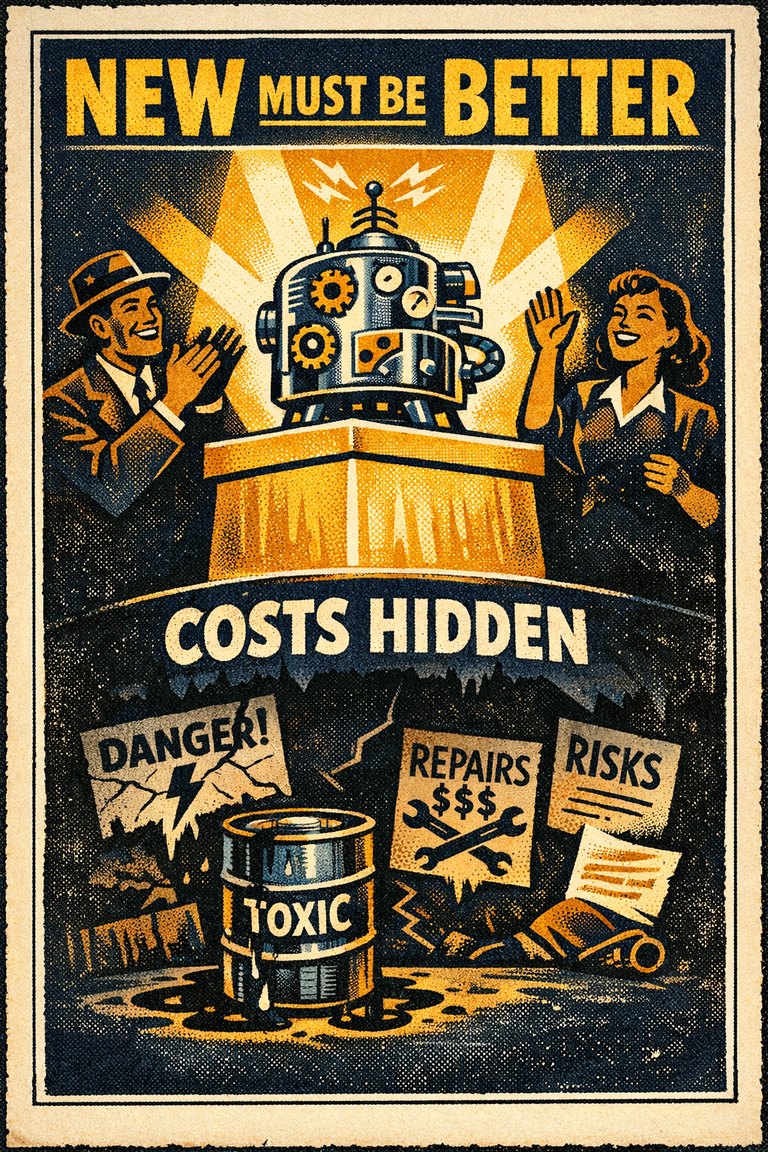
The tendency to have an excessive optimism towards an invention or innovation's usefulness throughout society, while often failing to identify its limitations and weaknesses.

Our innate tendency to assume that big events have big causes, may also explain our tendency to accept conspiracy theories.
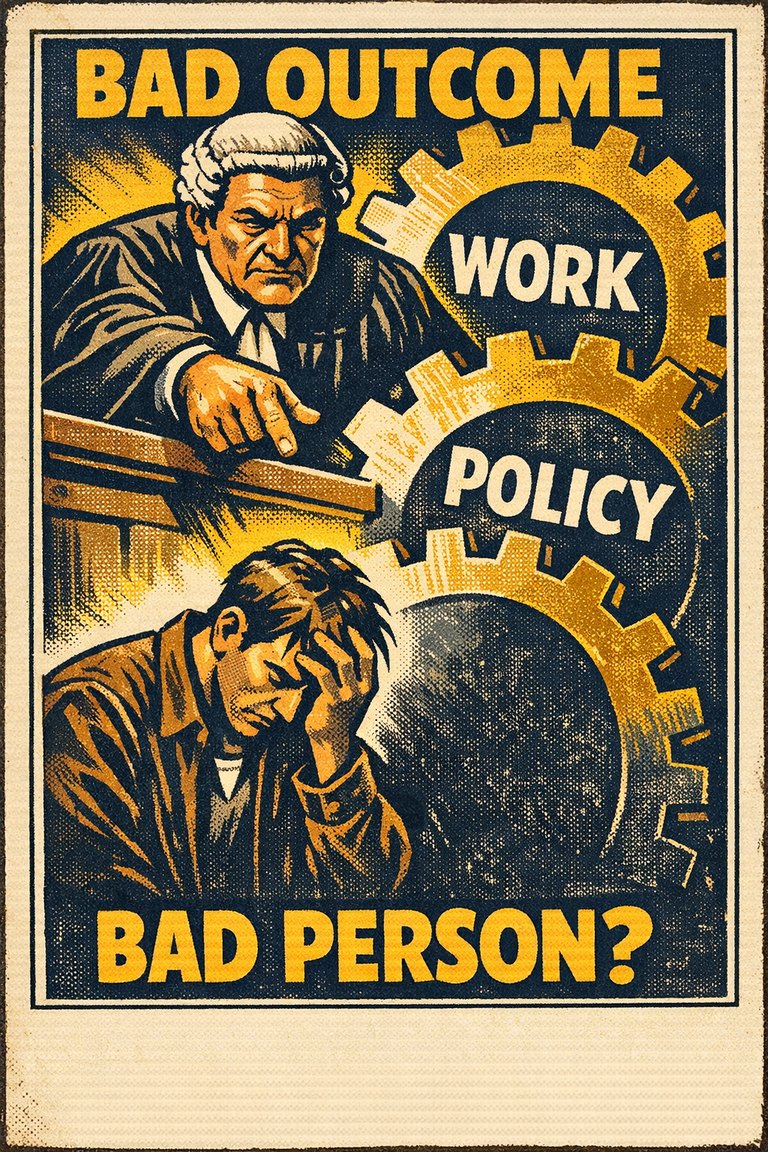
The tendency to explain wrongdoing as personal moral failure rather than as partly shaped by social conditions.

The phenomenon whereby others' expectations of a target person affect the target person's performance.
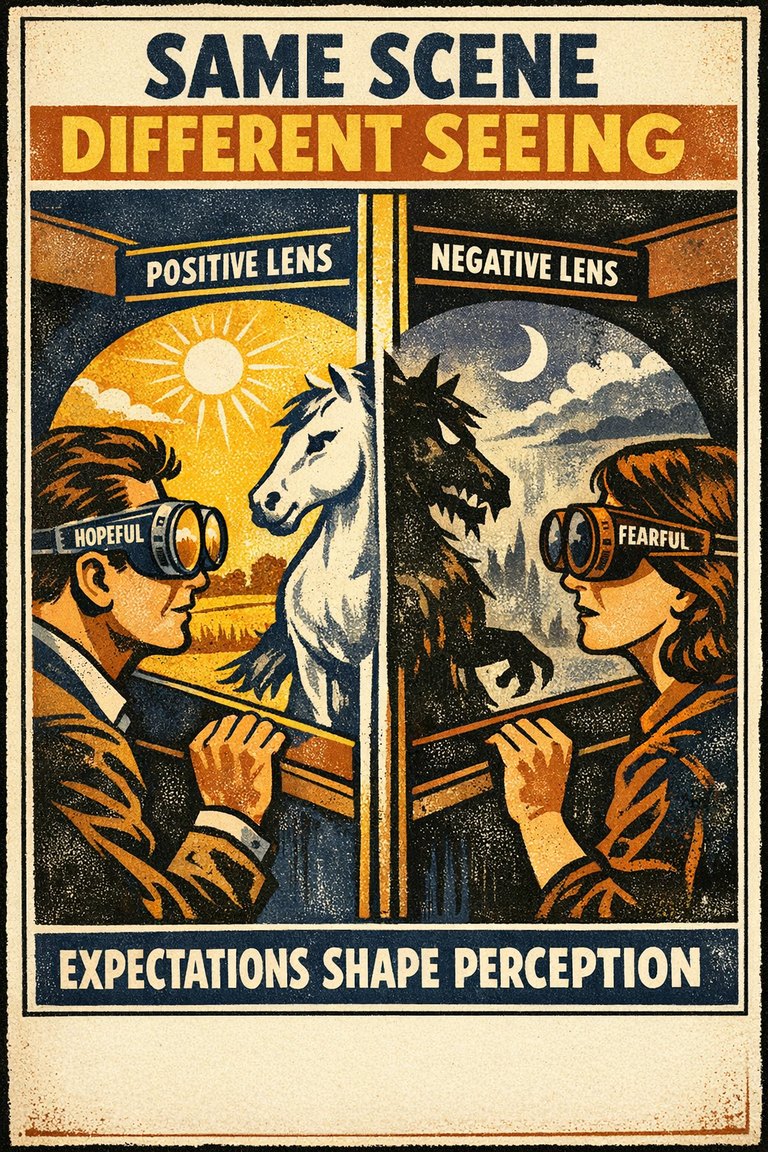
The tendency for expectations or prior beliefs to shape what one notices or perceives.

The tendency to take disproportionate credit for successes while locating failures in bad luck, unfair circumstances, or other people.
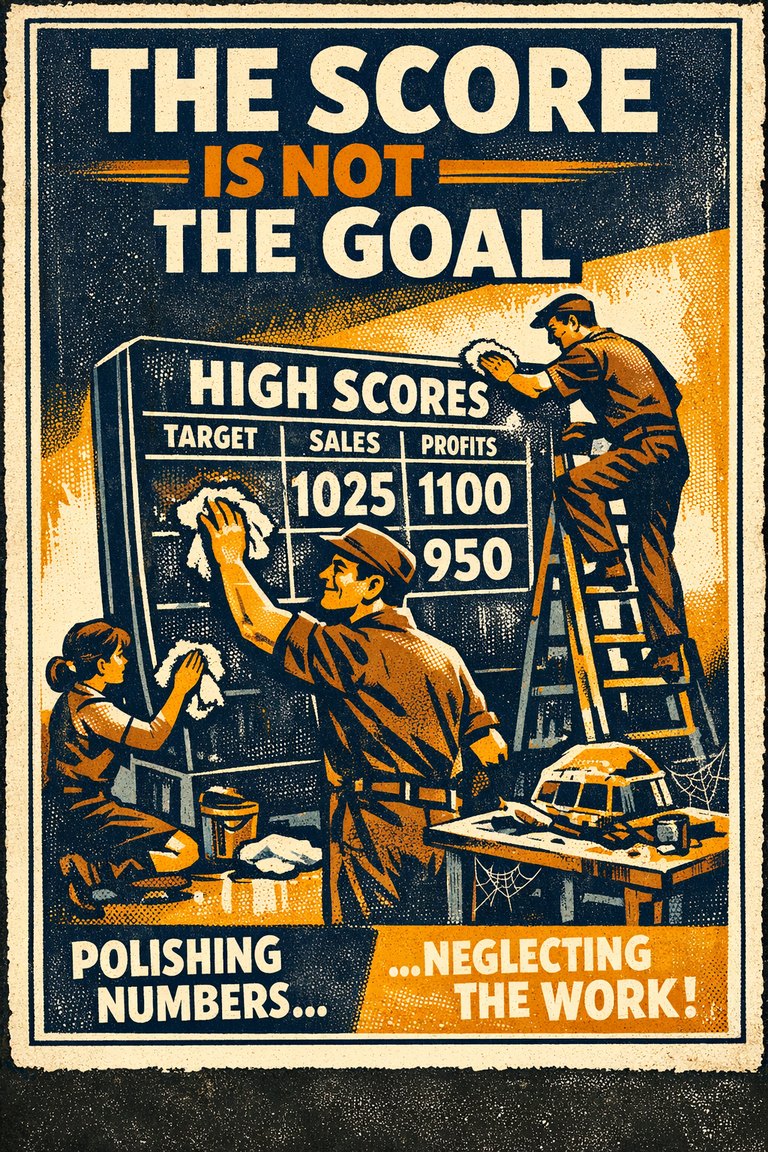
Losing sight of the strategic construct that a measure is intended to represent, and subsequently acting as though the measure is the construct of interest.

The tendency to defend, rationalize, and bolster the current social or institutional order.
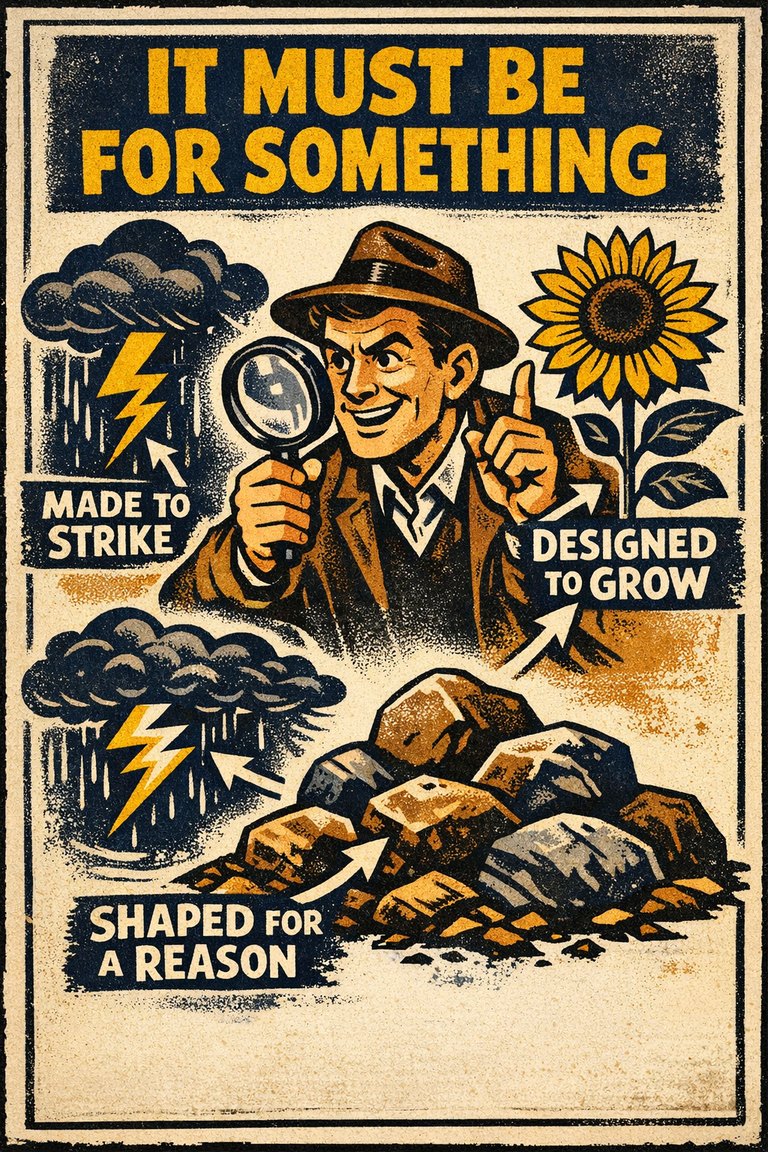
The tendency to engage in overgeneralized ascriptions of purpose to entities and events that did not arise from goal-directed action, design, or selection based on functional effects.

Absence of expectation of sudden trend breaks in continuous developments.

The tendency to explain whole outgroups in dispositional terms while excusing ingroup members more situationally.