
Survivorship bias
The tendency to learn from the visible winners while overlooking the invisible failures that dropped out of view.
Hypothesis AssessmentOutcomeResearch & evidenceForecasting & planning

Cognitive Biases
A practical cognitive-bias site with clear definitions, learning paths, assessments, self-audits, and debiasing tools.
Theory Article
A theory essay on why memorable winners create seductive but incomplete lessons when the failures disappear from view.
Success is easy to notice and easy to narrate. Failure often vanishes into silence, withdrawal, nonpublication, or irrelevance. That asymmetry makes visible winners extremely tempting teaching objects and extremely dangerous stand-ins for the full distribution.
Success stories are not usually false. They are just incomplete. They arrive with detail, confidence, and memorable sequence, which makes them excellent stories and poor denominators.
Once the visible winners become the sample, survivorship bias and availability heuristic begin helping each other. The memorable cases are also the selected cases.
Advice built from survivors can sound deeply practical because the narrative is concrete. But the lesson may be tracking who remained visible rather than what actually works across the whole field.
The same danger appears in business lore, investing, media fame, and career mythmaking. The winners are not lying merely by being present. The lie appears when presence is mistaken for representativeness.
Stronger reasoning asks who disappeared, who never got published, who left the funnel early, and what baseline failure rate surrounds the visible success. The corrective move is not cynicism. It is denominator recovery.
A site that teaches this well helps readers resist one of the oldest seductions in public reasoning: turning the visible exception into the general rule.
Use these entry pages after the article if you want the same theory translated into more concrete diagnostic and repair tools.
The tendency to learn from the visible winners while overlooking the invisible failures that dropped out of view.
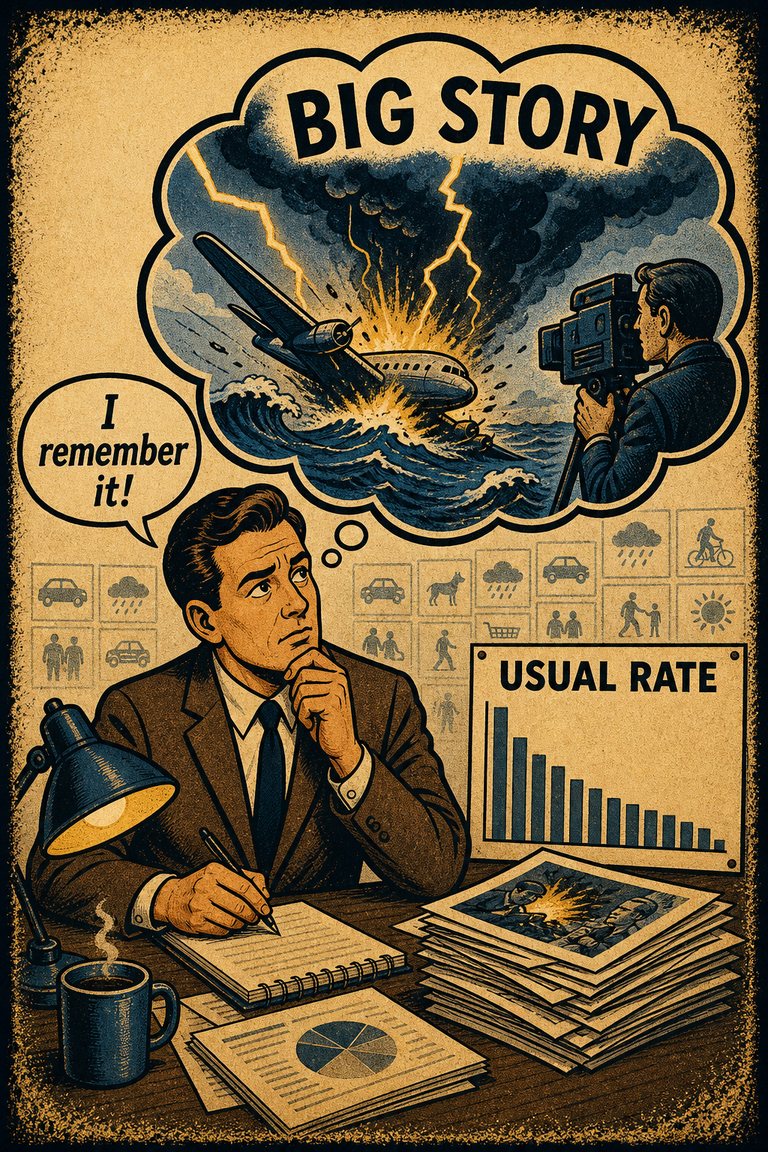
The tendency to judge frequency, risk, or importance by how easily examples come to mind.
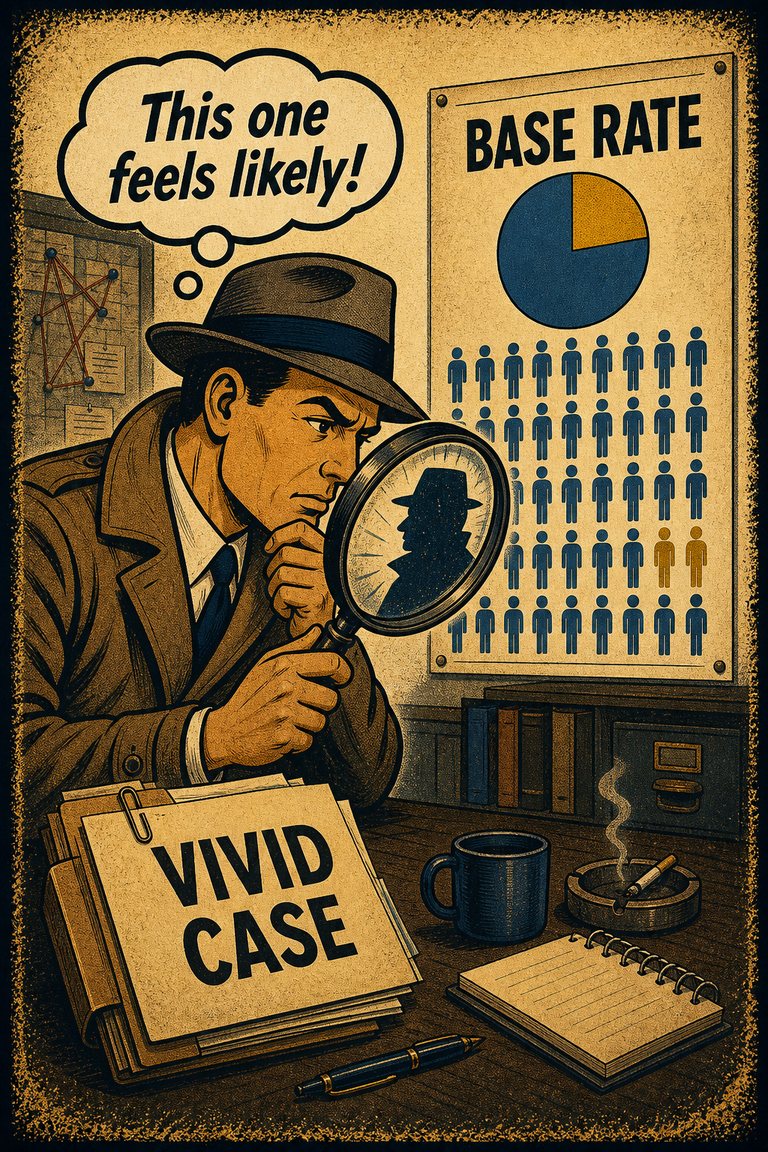
The tendency to underweight general prevalence information when vivid case-specific details are available.
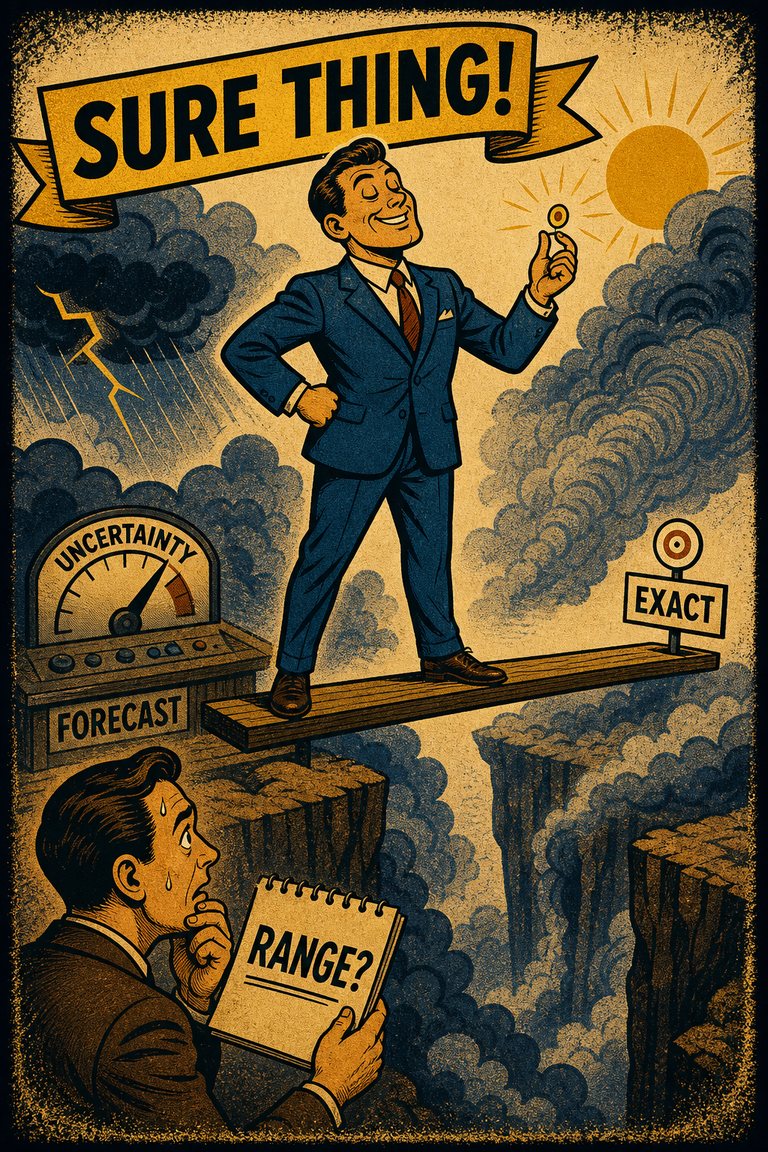
The tendency to be more certain about judgments, forecasts, or abilities than the evidence warrants.
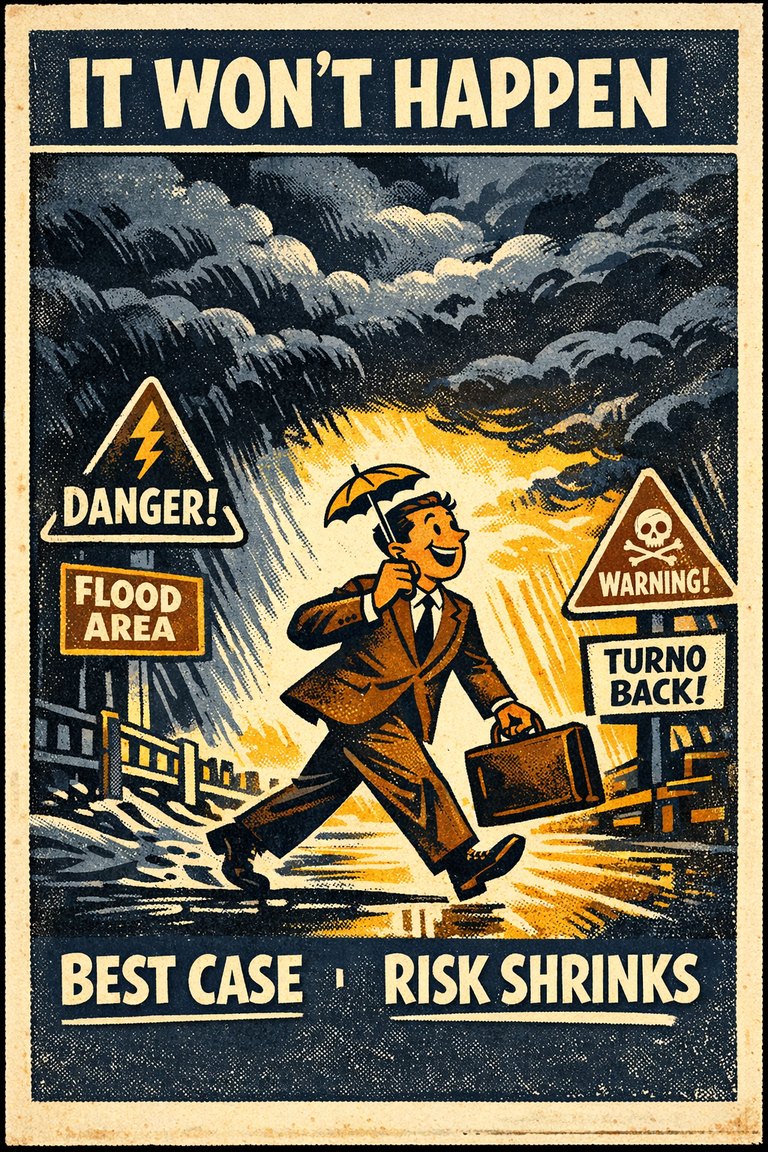
The tendency to overestimate favorable outcomes and underestimate the probability or impact of unfavorable ones, especially for oneself or one's own plans.